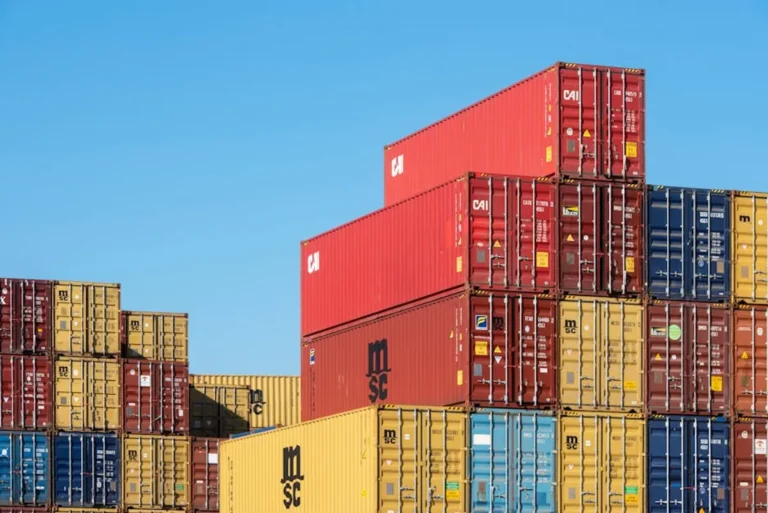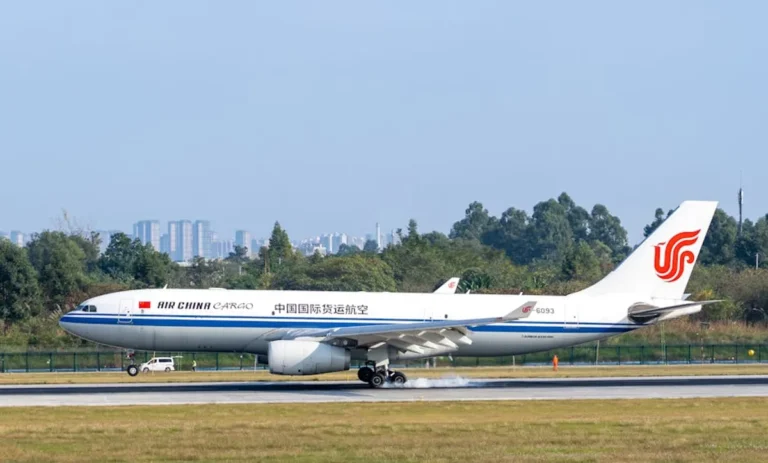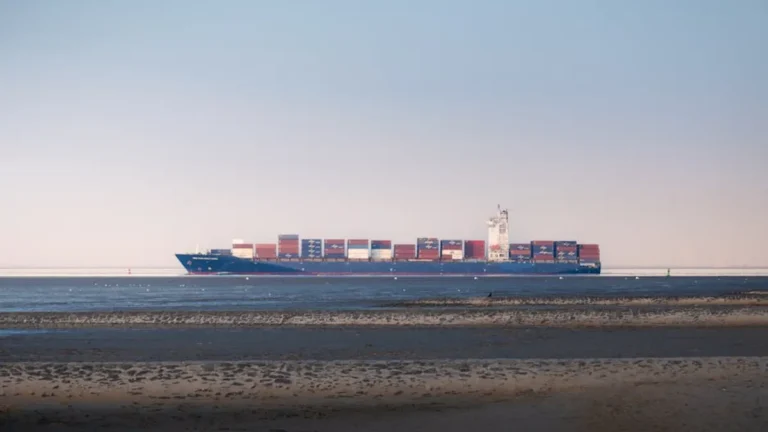
How to Reduce Delays in International Logistics
Effectively reduce international logistics delays by mastering customs compliance, optimizing carrier selection, and leveraging technology for real-time.
Lucas has worked in international logistics and supply chain operations for over a decade. Covers the boring categories that move the world (freight forwarding, customs, warehousing) and the trendy stuff that mostly does not work. Honest takes from someone managing actual cargo.
Page 6 of 14 157 articles total
Effectively reduce international logistics delays by mastering customs compliance, optimizing carrier selection, and leveraging technology for real-time.
Master essential international shipping terms—FOB, CIF, DDP, and EXW—to optimize costs, manage risks, and streamline your global logistics operations.
Implementing a robust supplier verification checklist is essential for mitigating risks, ensuring product quality, and securing your supply chain when sourcing.
Ensuring product safety before importing goods protects your brand, minimizes legal risks, and secures consumer trust.
Comparing freight forwarders for China shipping requires evaluating service scope, transparent pricing, operational reliability, and compliance expertise.
This guide provides small business importers with essential strategies for navigating China logistics, covering shipping options, key terminology, and customs.
Small businesses navigating global trade can streamline logistics by understanding freight forwarding.
Global businesses confront complex supply chain risks, from geopolitical shifts to cyber threats.
International shipping delays arise from port congestion, customs hurdles, documentation errors, and unforeseen events.
Navigating cross-border ecommerce logistics requires understanding customs, duties, and shipping complexities for seamless international expansion.
Optimize your China supplier communications with essential tips covering clarity, cultural nuances, and effective negotiation strategies for successful sourcing.
Achieve significant logistics cost reductions without compromising service or increasing operational risk.