For small businesses engaging in international trade, or even complex domestic shipping, freight forwarding often represents a critical but misunderstood component of their supply chain. The decision to use a freight forwarder isn't just about moving goods from point A to point B; it's about navigating a labyrinth of regulations, customs procedures, carrier options, and potential delays that can significantly impact profitability and customer satisfaction. Understanding what a freight forwarder does, and how to leverage their services effectively, can transform logistics from a costly headache into a competitive advantage, allowing small businesses to expand their reach without needing in-house shipping expertise. This involves understanding how freight forwarders help in managing supply chain risks by mitigating potential disruptions.
What is Freight Forwarding?
A freight forwarder acts as an intermediary between a shipper (your small business) and various transportation services. Unlike a carrier, which owns and operates the vehicles (ships, planes, trucks, trains) that physically move goods, a freight forwarder does not transport cargo itself. Instead, they specialize in organizing the entire shipping process from origin to destination. This involves negotiating rates with multiple carriers, preparing documentation, handling customs clearance, arranging warehousing, and often managing cargo insurance. Their value proposition centers on consolidating shipments, optimizing routes, and providing expertise in international trade compliance.
Why Small Businesses Benefit from Freight Forwarders
Small businesses often lack the volume, resources, or specialized knowledge to manage complex logistics internally. Freight forwarders address these gaps by offering several distinct advantages:
- Cost Efficiency: Forwarders leverage their aggregated volume to secure better rates from carriers than individual small businesses typically can. They also optimize routes and modes of transport to reduce overall shipping expenses.
- Logistical Expertise: International shipping involves intricate regulations, tariffs, and documentation requirements (e.g., bills of lading, commercial invoices, packing lists, certificates of origin). Forwarders possess this specialized knowledge, minimizing errors and avoiding costly delays or penalties.
- Time Savings: By outsourcing logistics management, small business owners and their teams can focus on core operations like product development, marketing, and sales, rather than spending time coordinating shipments.
- Global Reach: Many forwarders have established networks and partnerships worldwide, enabling small businesses to access new markets without needing to build their own international logistics infrastructure.
- Risk Mitigation: Forwarders help navigate potential disruptions like port congestion, weather delays, or customs issues. They can also advise on cargo insurance, protecting against loss or damage during transit.
Key Services Offered by Freight Forwarders
The scope of services from a freight forwarder can vary, but generally includes:
Carrier Selection and Rate Negotiation
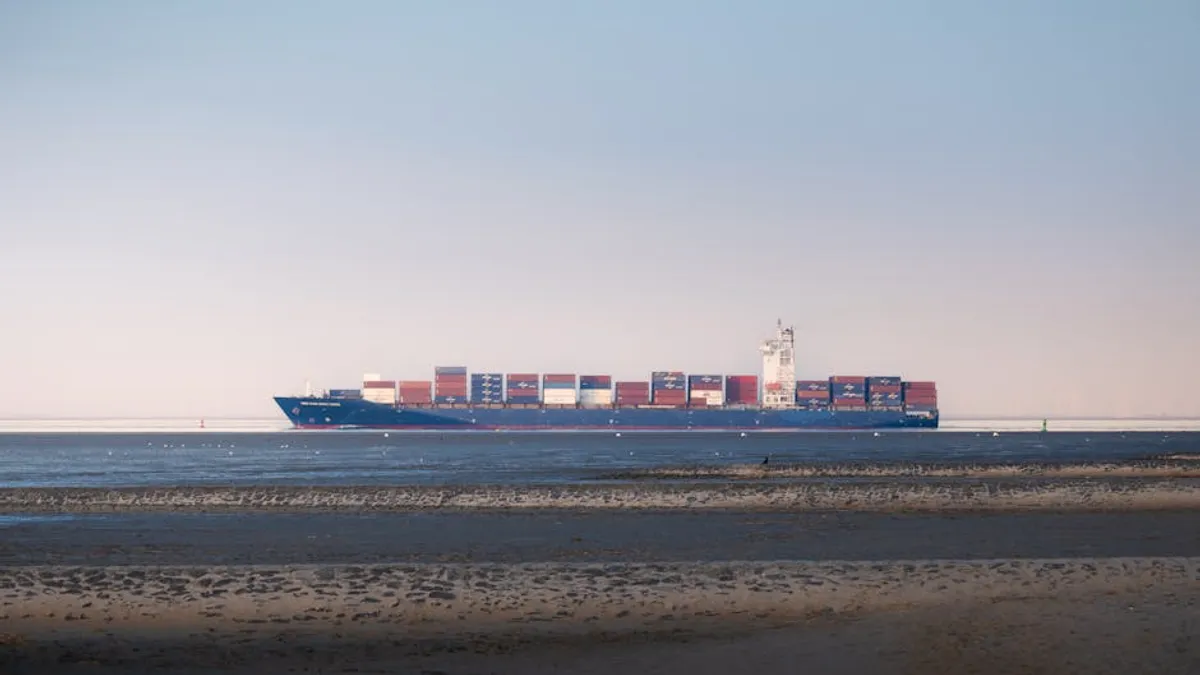
Forwarders assess your cargo's characteristics (size, weight, fragility, urgency) and destination to determine the most suitable mode of transport (air, sea, road, rail). They then negotiate rates with various carriers, presenting you with optimized options that balance cost, speed, and reliability. This often includes consolidating smaller shipments (less-than-container-load or LCL for sea freight; less-than-truckload or LTL for road freight) to achieve economies of scale.
Documentation and Customs Clearance
This is a critical area where forwarders provide significant value. They prepare and verify all necessary shipping documents, ensuring compliance with both export and import regulations of the respective countries. This includes managing customs declarations, duties, and taxes, which, if mishandled, can lead to significant delays and fines.
Pro Tip: Always verify the Incoterms (International Commercial Terms) with your supplier and freight forwarder. Misinterpretations lead to unexpected costs and liabilities, particularly for customs, insurance, and delivery points. Clearly define who is responsible for each part of the journey before shipping.
Warehousing and Distribution
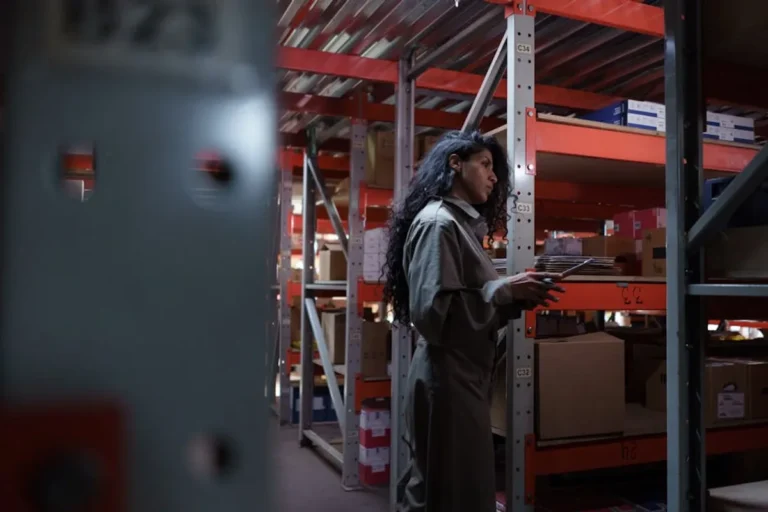
Some freight forwarders offer warehousing services, including temporary storage, consolidation, and deconsolidation of goods. This can be particularly useful for small businesses managing inventory or needing to combine multiple supplier shipments before final distribution.
Cargo Tracking and Insurance
Forwarders provide visibility into your shipment's journey, offering tracking updates from pickup to delivery. They also advise on and arrange cargo insurance, which is crucial for protecting your investment against unforeseen events during transit.
Choosing the Right Freight Forwarder for Your Small Business
Selecting a freight forwarder requires careful consideration to ensure they align with your specific business needs and shipping patterns.
Specialization and Network
Consider if the forwarder specializes in your industry, the types of goods you ship, or the specific trade lanes you use. A forwarder with a strong network in your target regions can offer more reliable service and better rates.
Best for: Businesses with unique cargo requirements (e.g., hazardous materials, temperature-controlled goods) or specific regional market focus.
Technology and Communication
Evaluate their technological capabilities. Do they offer online tracking portals, digital documentation, or integration with your existing systems? Clear, proactive communication is also vital, especially when dealing with international time differences and potential delays.
Best for: Businesses prioritizing real-time visibility and streamlined administrative processes.
Cost Structure and Transparency
Obtain detailed quotes that break down all charges, including freight costs, customs duties, terminal handling fees, and any potential surcharges. A transparent pricing model helps avoid unexpected expenses. Be wary of quotes that seem significantly lower than others without clear justification.
Best for: Businesses requiring predictable budgeting and cost control.
Customer Service and Responsiveness
Assess their customer service during the inquiry phase. Are they responsive, knowledgeable, and willing to answer your questions thoroughly? A reliable partner will provide dedicated support and proactive problem-solving.
Best for: Businesses needing personalized support and quick resolutions to shipping challenges.
Streamlining Your Logistics Operations
Engaging a freight forwarder effectively means providing them with accurate and complete information about your shipment, including dimensions, weight, commodity description, Incoterms, and desired delivery timelines. Establishing clear communication channels and understanding their process will facilitate smoother operations. Regular reviews of their performance and cost-effectiveness ensure the partnership continues to meet your evolving business needs. For small businesses, a well-chosen freight forwarder is more than just a service provider; they are a strategic partner in global expansion.
Frequently Asked Questions
What is the difference between a freight forwarder and a carrier?
A freight forwarder organizes the logistics of shipping by acting as an intermediary, while a carrier (like an airline or shipping line) physically transports the goods using their own assets.
How do freight forwarders save small businesses money?
They consolidate shipments from multiple clients to secure bulk discounts from carriers, optimize routes, and provide expertise that prevents costly errors in documentation and customs.
When should a small business consider using a freight forwarder?
Small businesses should consider a freight forwarder when shipping internationally, dealing with complex customs requirements, handling large or unusual cargo, or when current shipping processes are too time-consuming or costly. Businesses should weigh the options of air freight versus sea freight to determine the most cost-effective method for their needs.
What information do I need to provide to a freight forwarder for a quote?
You'll typically need to provide the origin and destination, cargo type, dimensions and weight, desired shipping mode (air, sea, etc.), urgency, and any specific handling instructions or customs requirements.