Navigating China logistics presents a critical challenge for small business importers. The efficiency of your supply chain directly impacts product cost, delivery timelines, and ultimately, customer satisfaction. Understanding the nuances of international shipping, from choosing the right freight method to managing customs and duties, is paramount for profitability and sustained growth. This guide outlines the essential considerations and practical strategies for small businesses importing goods from China, enabling informed decisions that optimize both cost and transit time.
Understanding Your Shipping Options from China
Selecting the appropriate shipping method is foundational to your import strategy. Each option offers distinct advantages and disadvantages concerning speed, cost, and capacity.
Air Freight: Speed and Cost Considerations
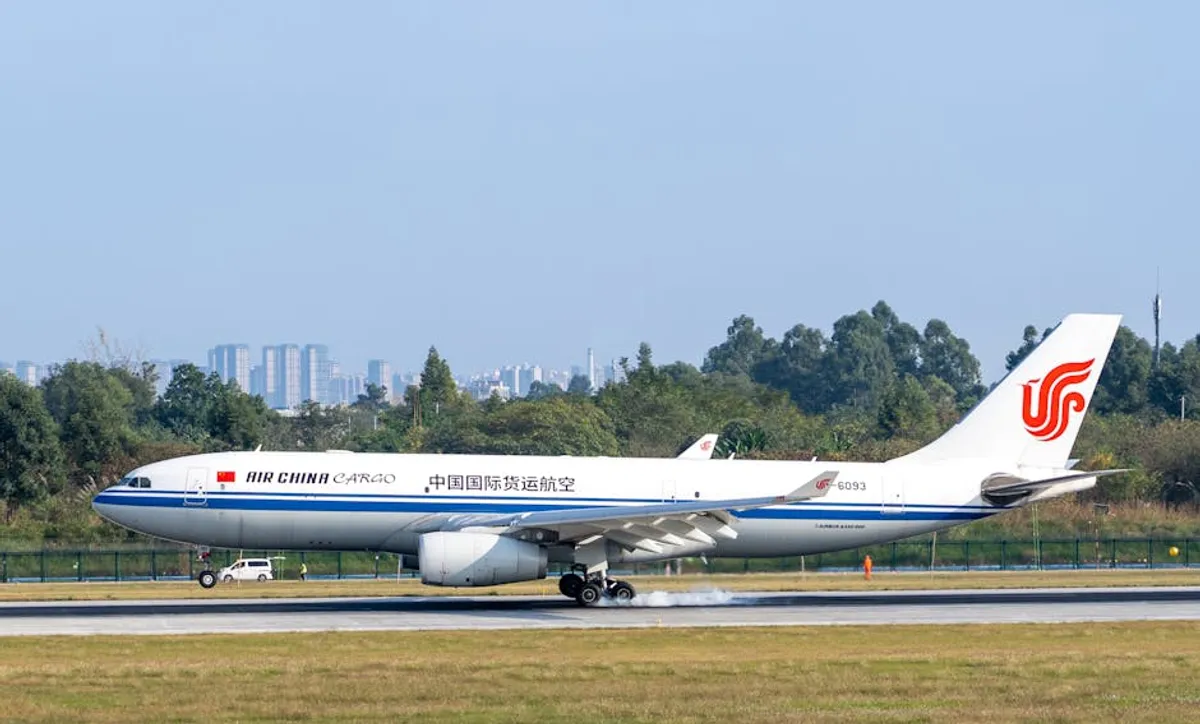
Air freight is the fastest shipping method, making it suitable for high-value, time-sensitive, or perishable goods where speed justifies a higher cost. It is typically calculated based on actual weight or volumetric weight, whichever is greater. For small businesses, air freight is often employed for initial product samples, prototypes, or smaller, urgent orders that cannot wait for sea transit.
Best for: Products with short shelf lives, fashion items, electronics, or urgent replenishment of stock. Also ideal for shipments under 150 kg where sea freight's minimum charges might make it less competitive.
Sea Freight: Economy and Volume
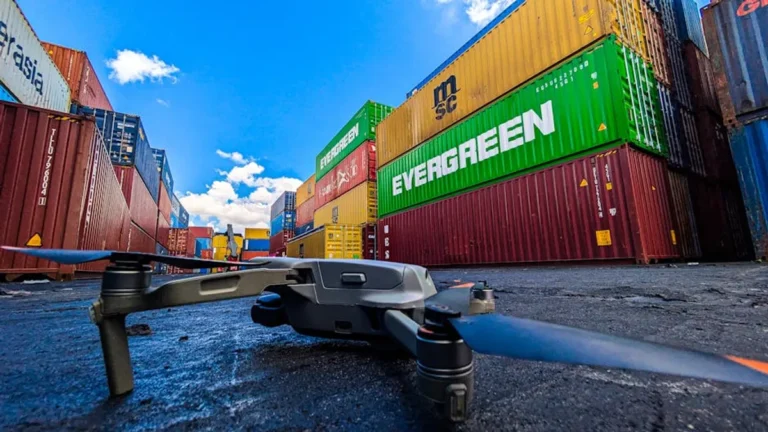
Sea freight is the most economical option for large volumes and heavy goods, making it the backbone of many small business import operations. Transit times are significantly longer than air freight, ranging from 20 to 45 days depending on origin and destination ports, but the cost savings per unit are substantial. Small businesses typically engage with sea freight through two primary methods:
- Full Container Load (FCL): You lease an entire shipping container (e.g., 20-foot or 40-foot). This is cost-effective when your shipment volume is large enough to fill or nearly fill a container, offering better security and faster transit within the port system as the container is not opened until it reaches its destination.
- Less than Container Load (LCL): Your goods share container space with other importers' shipments. This is ideal for smaller volumes that are too large for air freight but not enough to justify an FCL. While more economical than air freight for medium-sized shipments, LCL often incurs higher per-cubic-meter costs than FCL due to consolidation, deconsolidation, and handling fees at both ends. Transit times can also be slightly longer due to the additional logistics involved in combining and separating cargo.
Best for: Bulk commodities, durable goods, furniture, machinery, or any non-urgent, high-volume shipments where cost efficiency is paramount.
Express Courier Services: Door-to-Door Convenience
Services like DHL, FedEx, and UPS offer expedited door-to-door delivery, managing customs clearance and last-mile delivery directly. While significantly more expensive per kilogram than standard air freight or sea freight, they provide unparalleled speed, tracking, and convenience for very small parcels. These services are invaluable for receiving samples, urgent documents, or very small, high-value components.
Best for: Samples, urgent small packages (typically under 30 kg), documents, or time-critical spare parts.
Key Logistics Terminology and Documentation
A clear understanding of international shipping terms and required documents is crucial for smooth operations and avoiding costly delays.
- Incoterms (International Commercial Terms): These globally recognized rules define the responsibilities of buyers and sellers for the delivery of goods under sales contracts. They specify who is responsible for paying and managing the shipment, insurance, documentation, and customs clearance at various points in the shipping process. Common Incoterms for small businesses include EXW (Ex Works), FOB (Free On Board), CIF (Cost, Insurance and Freight), and DDP (Delivered Duty Paid). Your choice of Incoterm significantly impacts your total landed cost and operational involvement.
- Bill of Lading (BOL) / Air Waybill (AWB): The BOL is a legal document issued by a carrier to a shipper, detailing the type, quantity, and destination of the goods being shipped via sea freight. It serves as a contract of carriage, a receipt of goods, and a document of title. The AWB serves a similar purpose for air freight. These documents are essential for tracking and claiming your goods.
- Commercial Invoice and Packing List: The commercial invoice is a bill for the goods from the seller to the buyer, used by customs to determine duties and taxes. The packing list details the contents of each package, including dimensions and weight, aiding customs inspection and inventory management.
- Customs Declaration: A form that declares goods being imported or exported, providing information necessary for customs authorities to assess duties and ensure compliance with import regulations.
Pro Tip: Always clarify and agree upon the Incoterm with your supplier before finalizing any purchase order. A misunderstanding of Incoterms can lead to unexpected costs for freight, insurance, or customs duties, significantly impacting your profit margins. For most small businesses, FOB is often a good balance, where the supplier handles costs to the port of origin, and you take responsibility from there.
Selecting a Logistics Partner
For small businesses, partnering with a reliable logistics provider is more often a necessity than a choice. Freight forwarders are typically the most practical solution.
Freight Forwarders: These companies specialize in organizing shipments for individuals or corporations to get goods from the manufacturer or producer to a market, customer, or final point of distribution. They act as intermediaries between shippers and various transport services, offering expertise in:
- Booking cargo space with carriers (airlines, shipping lines).
- Consolidating LCL shipments to optimize costs.
- Handling customs brokerage and documentation.
- Arranging warehousing and distribution.
- Providing cargo insurance.
When selecting a freight forwarder, prioritize those with proven experience on China routes, transparent communication, competitive pricing, and a strong network that can handle both origin and destination logistics efficiently. Their ability to manage potential delays and provide real-time updates is critical.
Customs Clearance and Import Duties
Customs clearance is a mandatory process for all imported goods, involving the declaration of goods and payment of applicable duties and taxes. Failure to comply can result in significant delays, penalties, or even seizure of goods.
- HS Codes (Harmonized System Codes): These are internationally standardized numerical codes for classifying traded products. Accurate HS code classification is vital for determining the correct import duties and taxes, as well as ensuring compliance with specific import regulations. Your supplier can often provide the HS code, but it is your responsibility as the importer to verify its accuracy for your destination country.
- Import Duties and Taxes: These charges are levied by your government on imported goods. They typically include customs duties (based on the HS code and country of origin), value-added tax (VAT), and sometimes other specific tariffs. These costs directly add to your product's landed cost and must be factored into your pricing strategy.
- Compliance: Ensure all documentation is accurate and complete. Work with your freight forwarder or customs broker to navigate complex regulations and avoid common pitfalls like incorrect valuations or undeclared goods.
Practical Strategies for Small Business Importers
Proactive planning and strategic execution can significantly improve your logistics outcomes.
- Consolidating Shipments: Where possible, consolidate multiple smaller orders into a single, larger LCL or FCL shipment. This reduces per-unit shipping costs by leveraging economies of scale, even if it means coordinating with multiple suppliers.
- Planning Ahead: Account for seasonal peaks (e.g., Chinese New Year, Black Friday), port congestion, and unexpected delays. Building buffer time into your supply chain schedule is crucial to prevent stockouts and meet customer expectations.
- Cargo Insurance: While not always mandatory, cargo insurance is a prudent investment. It protects your goods against loss, damage, or theft during transit, mitigating financial risk from unforeseen incidents. Discuss coverage options with your freight forwarder.
- Clear Communication: Maintain open and consistent communication with your suppliers and logistics partners. Clearly define expectations, share necessary documentation promptly, and address any issues proactively to resolve them efficiently.
Optimizing Your Import Operations
Successful importing from China as a small business relies on meticulous planning, a solid understanding of logistics processes, and strategic partnerships. By carefully evaluating shipping options, mastering key terminology, and collaborating with experienced freight forwarders, you can build a resilient and cost-effective supply chain. Focus on accurate documentation, compliance with customs regulations, and proactive risk management to ensure your goods arrive efficiently and profitably. Continuously review your logistics strategy as your business scales and market conditions evolve. Focus on accurate documentation to build the best documentation habits for importers.
Frequently Asked Questions
1. What are the most common Incoterms for small business imports from China?
For small businesses, FOB (Free On Board) is frequently used, where the supplier covers costs and risks until goods are loaded onto the vessel at the origin port. EXW (Ex Works) places maximum responsibility on the buyer, while CIF (Cost, Insurance and Freight) or DDP (Delivered Duty Paid) place more responsibility on the seller, though DDP can be complex for sellers to manage internationally.
2. How do I estimate import duties and taxes?
You will need the HS (Harmonized System) code for your product, its value, and the country of origin. Use your country's customs website or consult a customs broker or freight forwarder, who can provide estimates based on current tariffs and regulations.
3. Should I use air or sea freight for my first small order?
For a very small initial order, especially for samples or quality checks, express courier or air freight is often preferable due to speed. For a slightly larger but still modest first commercial order, LCL sea freight offers a balance of cost and volume capacity, though transit times are longer.
4. What is the role of a freight forwarder?
A freight forwarder acts as an intermediary, managing the complex process of international shipping on your behalf. They handle booking cargo space, preparing documentation, customs clearance, warehousing, and arranging inland transportation, simplifying the logistics for importers.