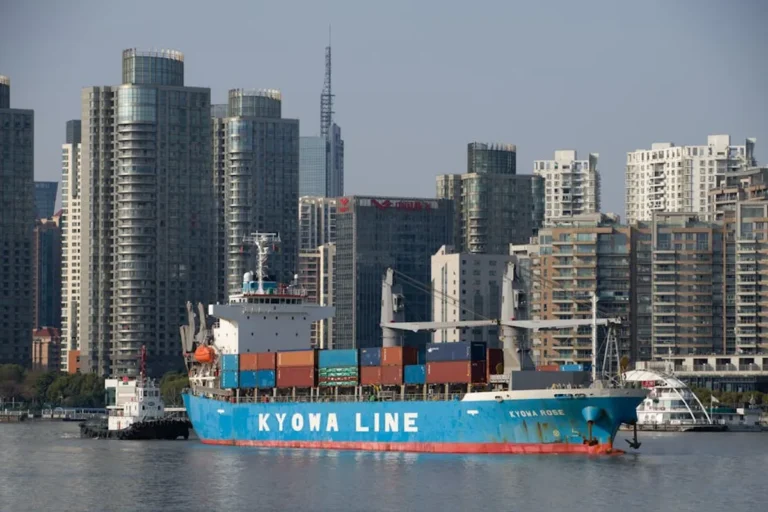
Importers face a complex regulatory landscape, where navigating customs clearance efficiently directly impacts supply chain fluidity, cost predictability, and legal compliance. Missteps in this process can lead to significant delays, unexpected expenses, and even penalties, undermining profitability and customer satisfaction. Understanding the mechanics of customs clearance is not merely administrative; it is a critical operational imperative for any business engaged in international trade. This includes understanding Incoterms for importers, which define responsibilities for shipping and insurance.
Understanding Customs Clearance Fundamentals
Customs clearance is the process through which imported goods are officially declared to customs authorities, duties and taxes are assessed and paid, and the goods are released for entry into the country. This mandatory procedure ensures that all imported items comply with national laws, safety standards, and trade regulations, while also facilitating the collection of revenue. This process is vital for avoiding common customs delays and ensuring smooth international trade.
Key Stages of the Clearance Process
The journey of goods through customs typically involves several distinct phases, each requiring meticulous attention to detail:
- Pre-Arrival Preparation: Before goods even reach the border, importers must gather all necessary documentation, accurately classify their products, and determine their dutiable value. This proactive step minimizes potential delays upon arrival.
- Arrival and Declaration: Once goods arrive at the port of entry, an import declaration is filed with customs. This declaration includes details about the shipment, its origin, value, and classification.
- Customs Examination: Customs authorities may choose to examine a shipment physically or review its documentation more closely. This is usually based on risk assessments, random checks, or specific intelligence.
- Duty and Tax Payment: Based on the product classification and declared value, applicable duties, taxes (like VAT or GST), and other fees are calculated. These must be paid or secured before the goods can be released.
- Release and Delivery: Upon successful payment and clearance, customs releases the goods, allowing them to proceed to the importer's designated delivery location.
Essential Documentation for Import
Accurate and complete documentation is the backbone of efficient customs clearance. Missing or incorrect papers are a primary cause of delays. Key documents include:
- Commercial Invoice: Provides details of the transaction, including seller and buyer information, description of goods, quantity, unit price, total value, and terms of sale. Customs uses this for valuation and duty assessment.
- Packing List: Itemizes the contents of each package, including weights, dimensions, and marks, aiding in physical inspection and cargo handling.
- Bill of Lading (B/L) or Air Waybill (AWB): Serves as a contract between the shipper and the carrier, a receipt for goods, and a document of title. It provides crucial shipping information and tracking details.
- Certificate of Origin (COO): Confirms the country where the goods were manufactured. This is vital for determining eligibility for preferential tariffs under trade agreements and for compliance with import restrictions.
- Import Licenses/Permits: Required for certain regulated goods (e.g., pharmaceuticals, agricultural products, electronics) to ensure compliance with specific safety, health, or environmental standards.
- Customs Bond: A financial guarantee ensuring that all duties, taxes, and fees are paid to customs. For U.S. imports, continuous bonds are common for frequent importers.
Harmonized System (HS) Codes and Product Classification
Every product traded internationally is assigned an HS code, a standardized numerical classification system. This code dictates the applicable duty rates, import restrictions, and statistical tracking. Correct classification is paramount because:
- Duty Rate Determination: The HS code directly determines the percentage of duty applied to the imported goods. Misclassification can lead to overpayment or underpayment, the latter often resulting in penalties.
- Regulatory Compliance: Certain HS codes trigger specific import requirements, such as permits, certifications, or quotas. Incorrect codes can lead to non-compliance and seizure of goods.
- Trade Agreement Benefits: Accurate HS codes are necessary to claim preferential duty rates under free trade agreements.
Valuation Methods and Duty Calculation
Customs authorities primarily use the transaction value method to determine the dutiable value of goods, which is typically the price paid or payable for the goods when sold for export to the country of importation. However, adjustments may be made for certain elements like commissions, packaging costs, and royalties. Duties are then calculated as a percentage of this dutiable value, often alongside other taxes like Value Added Tax (VAT) or Goods and Services Tax (GST), which are typically levied on the sum of the dutiable value plus the import duty.
Mitigating Common Import Challenges
Importers frequently encounter hurdles that can disrupt their supply chains and incur additional costs:
- Documentation Errors: Incomplete or inaccurate paperwork is the leading cause of customs delays. Proactive review and verification before shipment are essential.
- Misclassification: Incorrect HS codes can lead to higher duties, penalties, or even rejection of entry. Invest in expert classification or obtain binding rulings from customs.
- Undervaluation: Declaring a value lower than the actual transaction value to reduce duties is illegal and can result in severe fines and seizure.
- Unexpected Fees: Demurrage (charges for exceeding free time at a port) and detention (charges for exceeding free time with carrier equipment) can accrue rapidly if clearance is delayed.
- Regulatory Changes: Trade policies and import regulations can change. Staying informed through customs brokers or trade publications is crucial.
Pro Tip: Maintain meticulous records for at least five years post-importation. Customs authorities have the right to audit past entries, and thorough documentation is your primary defense against penalties for errors or non-compliance.
The Strategic Role of a Customs Broker
For many importers, particularly those dealing with diverse products or high volumes, engaging a licensed customs broker is a strategic decision. Brokers specialize in navigating the intricate customs landscape. Their services typically include:
- Expertise in Regulations: Brokers possess in-depth knowledge of tariff schedules, trade agreements, and specific import requirements for various goods and countries.
- Document Preparation and Filing: They prepare and submit all necessary declarations and documents to customs on behalf of the importer, ensuring accuracy and compliance.
- Duty and Tax Management: Brokers calculate and facilitate the payment of duties, taxes, and fees, often advising on strategies to legally minimize these costs.
- Liaison with Authorities: They act as the primary point of contact with customs officials, resolving queries, managing examinations, and addressing any issues that arise.
- Advisory Services: Many brokers offer guidance on compliance, import security programs, and supply chain optimization.
Streamlining Your Import Operations
Successful customs clearance is not a one-time event but an ongoing process demanding vigilance and adaptation. Proactive planning, meticulous documentation, and a deep understanding of international trade regulations are indispensable. Engaging with experienced customs brokers can transform a potential headache into a streamlined, compliant operation, allowing importers to focus on their core business while ensuring their goods move efficiently across borders. Continuous education on trade policy changes and internal process audits will further fortify your import strategy.
Frequently Asked Questions
What happens if my shipment is detained by customs?
If your shipment is detained, customs will typically issue a notice explaining the reason, which could range from missing documentation to concerns about product classification or valuation. You will usually have a limited time to provide additional information or rectify the issue. Failure to do so can result in penalties, seizure, or forced re-exportation of the goods.
What is a customs bond, and do I need one?
A customs bond is a financial guarantee that ensures all duties, taxes, and fees owed to customs are paid. For imports into the United States, a bond is generally required for commercial shipments valued over $2,500, or for any shipment subject to other federal agency requirements. Importers can use a single transaction bond for a one-off shipment or a continuous bond for regular imports.
How long does customs clearance usually take?
The duration of customs clearance varies widely depending on the country, the type of goods, the completeness of documentation, and whether the shipment is selected for examination. A straightforward shipment with perfect paperwork might clear in a few hours to a day. However, complex goods, incomplete documentation, or customs examinations can extend the process to several days or even weeks.
Can I clear customs myself without a broker?
Yes, importers are legally permitted to clear their own goods. However, this requires a thorough understanding of customs regulations, tariff schedules, and documentation requirements. For most commercial importers, especially those handling complex goods or high volumes, the expertise and efficiency offered by a licensed customs broker often outweigh the perceived cost savings of self-clearance, significantly reducing the risk of costly errors and delays.