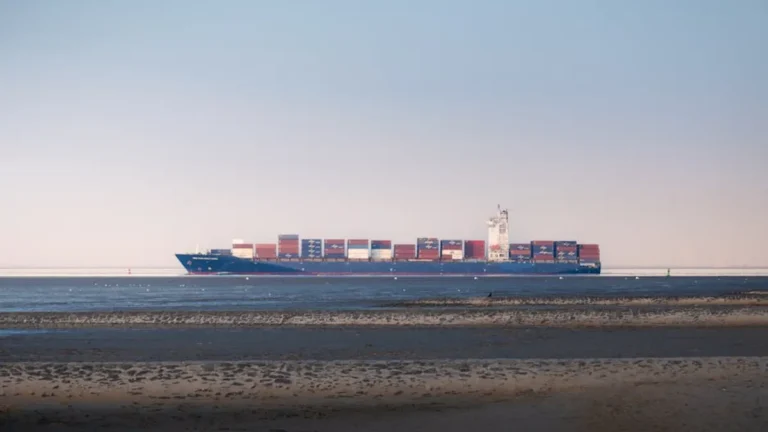

Navigating the complexities of global commerce requires a precise understanding of inherent supply chain risks. For businesses operating across international borders, the interconnectedness that drives efficiency also introduces vulnerabilities. A single disruption, whether from a natural disaster, geopolitical event, or cyber incident, can cascade through an entire network, impacting production, delivery, and ultimately, profitability. Effective supply chain risk management is not merely about reacting to crises; it's about building a proactive framework that anticipates potential threats, quantifies their impact, and establishes clear mitigation strategies to ensure operational continuity and protect market share.
Understanding Global Supply Chain Vulnerabilities
The modern global supply chain is a delicate ecosystem, susceptible to a range of external and internal pressures. Identifying these specific vulnerabilities is the foundational step in developing a robust risk management strategy.
- Geopolitical Instability: Trade wars, sanctions, political unrest, and international conflicts can severely disrupt material flow, manufacturing, and distribution channels. These events often lead to sudden policy changes, border closures, or increased tariffs, making long-term planning difficult.
- Natural Disasters and Climate Events: Earthquakes, floods, hurricanes, and extreme weather patterns can devastate production facilities, transportation infrastructure, and critical supplier operations. The increasing frequency and intensity of these events demand adaptable response plans.
- Cybersecurity Threats: Digital systems underpinning supply chain operations—from inventory management to logistics tracking—are constant targets for cyberattacks. Data breaches, ransomware, or system outages can halt operations, compromise sensitive information, and erode trust.
- Economic Volatility: Currency fluctuations, inflation, recessions, and sudden shifts in demand or commodity prices can impact procurement costs, sales forecasts, and financial stability across the supply chain. Supplier solvency issues can also emerge, threatening continuity.
- Logistical Disruptions: Port congestion, labor shortages in transportation, infrastructure failures, or unexpected carrier delays can cause significant bottlenecks, leading to missed deadlines, increased shipping costs, and customer dissatisfaction.
- Regulatory Compliance Shifts: Changes in international trade laws, environmental regulations, labor standards, or product safety requirements can necessitate costly operational adjustments, re-certification, or even market withdrawal if compliance cannot be met.
Key Pillars of Effective Risk Management
Implementing a resilient supply chain requires a structured approach built on several critical components, moving beyond simple contingency plans to integrated, continuous monitoring.
Risk Identification and Assessment
This involves systematically cataloging potential risks, analyzing their likelihood of occurrence, and quantifying their potential impact on operations, finance, and reputation. Tools like FMEA (Failure Mode and Effects Analysis) or scenario planning help prioritize risks based on severity and probability, allowing resources to be allocated effectively.
Supply Chain Mapping and Transparency
Achieving granular visibility into the entire supply network, including tier-2 and tier-3 suppliers, is crucial. Understanding the geographic locations, interdependencies, and alternative sources for critical components enables faster response to localized disruptions. Digital mapping solutions can visualize these complex relationships.
Diversification Strategies
Relying on a single source for critical components or manufacturing in a single region creates concentrated risk. Diversifying suppliers across different geographies, utilizing multiple production sites, or maintaining buffer inventory for high-risk items reduces dependence and enhances flexibility.
Technology Integration for Monitoring
Leveraging advanced analytics, AI, and IoT sensors provides real-time insights into supply chain performance and potential threats. Predictive analytics can forecast demand shifts or identify potential supplier failures, while IoT devices can track shipments and monitor environmental conditions in transit. This enables proactive intervention rather than reactive damage control.
Contingency Planning and Scenario Modeling
Developing detailed response plans for various disruption scenarios is essential. This includes identifying alternative suppliers, establishing emergency logistics routes, cross-training staff, and defining clear communication protocols for internal teams and external stakeholders. Regular simulation exercises test the effectiveness of these plans.
Collaboration and Communication
Building strong relationships with key suppliers, logistics partners, and even competitors (in certain contexts, for shared infrastructure) fosters a collaborative environment for risk sharing and problem-solving. Transparent communication channels ensure that all parties are informed of potential issues and coordinated in their response.
Pro Tip: Focus on critical nodes. Not all parts of your supply chain carry equal risk. Identify the single points of failure – unique components, specific transportation routes, or sole-source suppliers – and prioritize mitigation efforts on these high-impact areas first. This targeted approach maximizes the return on your risk management investment.
Implementing a Proactive Risk Framework
Moving from theoretical understanding to practical application requires a structured implementation plan that embeds risk management into daily operations.
Establishing a Dedicated Risk Team
Assigning clear ownership for supply chain risk management, often involving a cross-functional team with representation from procurement, logistics, IT, and legal, ensures continuous oversight and coordinated action. This team is responsible for monitoring global events, updating risk assessments, and refining mitigation strategies.
Leveraging Data Analytics and AI
Deploying platforms that aggregate data from various sources—weather forecasts, news feeds, supplier performance metrics, geopolitical analyses—and use AI to identify patterns and anomalies can provide early warnings of impending disruptions. These tools transform raw data into actionable intelligence.
Developing Early Warning Systems
Implementing systems that alert relevant personnel to emerging risks, such as sudden spikes in commodity prices, political unrest in key manufacturing regions, or severe weather warnings, allows for timely adjustments. These systems should integrate with existing operational dashboards for immediate visibility.
Regular Audits and Stress Tests
Periodically auditing suppliers for financial stability, operational capabilities, and compliance with ethical standards helps identify latent risks. Conducting stress tests, where simulated disruptions are run through the supply chain, reveals weaknesses in existing plans and provides opportunities for refinement.
Building Supply Chain Resilience
Effective supply chain risk management is an ongoing process, not a one-time project. It requires continuous vigilance, adaptability, and a commitment to fostering resilience across the entire network. By systematically identifying vulnerabilities, implementing robust mitigation strategies, and leveraging technology for real-time insights, global businesses can navigate an unpredictable world with greater confidence. The goal is to transform potential disruptions into manageable challenges, ensuring continuity, protecting brand reputation, and sustaining long-term growth.
Frequently Asked Questions
What is the primary goal of supply chain risk management?
The primary goal is to ensure the continuous flow of goods and services by identifying, assessing, and mitigating potential disruptions, thereby protecting operational continuity, financial performance, and brand reputation.
How does supply chain mapping contribute to risk mitigation?
Supply chain mapping provides granular visibility into all tiers of suppliers and logistics, revealing interdependencies and potential single points of failure. This transparency enables targeted risk assessments and diversification strategies.
Can technology truly predict supply chain disruptions?
While technology cannot predict every disruption with 100% accuracy, advanced analytics, AI, and machine learning can analyze vast datasets to identify patterns, forecast potential issues, and provide early warnings, significantly enhancing proactive response capabilities.
What is the difference between risk mitigation and resilience?
Risk mitigation focuses on reducing the likelihood or impact of specific known risks. Resilience, conversely, is the broader capacity of a supply chain to absorb, adapt to, and recover quickly from any disruption, known or unknown, maintaining essential functions.