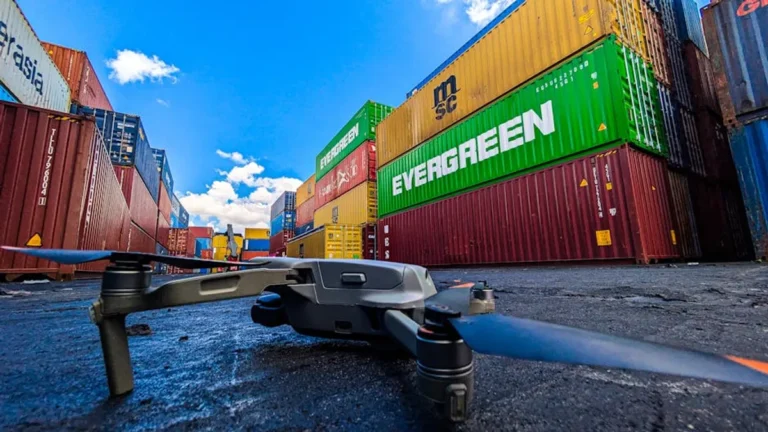

International logistics, by its nature, introduces complexities that domestic shipping avoids. Geographical distances, diverse regulatory frameworks, and multiple handling points create ample opportunity for delays, impacting delivery schedules, increasing costs, and eroding customer trust. For businesses relying on global supply chains, mitigating these delays is not merely an operational concern but a critical factor in maintaining competitiveness and profitability. This guide outlines actionable strategies to streamline cross-border movements, focusing on areas where proactive management yields significant reductions in transit time and unforeseen interruptions. Understanding current China manufacturing and logistics trends can help anticipate and mitigate potential disruptions.
Proactive Planning and Documentation Accuracy
The foundation of efficient international logistics lies in meticulous preparation. Errors or omissions at this stage propagate throughout the supply chain, leading to customs holds, rerouting, and substantial delays.
Master Customs Compliance
Understanding and adhering to the customs regulations of both origin and destination countries is non-negotiable. This involves more than just filling out forms; it requires a deep knowledge of Harmonized System (HS) codes, duty rates, import/export restrictions, and specific licensing or certification requirements for particular goods. Misclassifications, even minor ones, can trigger extensive inspections, penalties, and prolonged detention of goods. Regular training for staff and collaboration with experienced customs brokers are essential for staying current with evolving international trade laws.
Precision in Paperwork
Every international shipment requires a precise set of documents. Inaccuracies in commercial invoices, packing lists, bills of lading, or certificates of origin are common causes of delay. Digitalization of documentation, where feasible, can reduce human error and accelerate processing. Implementing a rigorous internal review process for all shipping documents before dispatch ensures data consistency across all forms and reduces the likelihood of discrepancies flagged by customs or carriers.
Pro Tip: Implement a 'pre-clearance' strategy where possible. Submitting documentation electronically to customs authorities before the goods physically arrive can significantly reduce processing times at borders, especially for high-volume routes or specific trade agreements.
Optimizing Carrier and Route Selection
The choice of logistics partners and shipping lanes directly influences transit times and reliability. A strategic approach to selection moves beyond simply comparing quoted prices.
Strategic Carrier Partnerships
Selecting carriers should be based on their track record for specific routes, their network strength, and their ability to handle your particular cargo type. Evaluate carriers not just on transit time estimates but on their on-time performance statistics, their communication capabilities, and their contingency plans for disruptions. Establishing long-term relationships with a limited number of vetted carriers can lead to better service, preferential treatment, and more transparent communication during unforeseen events. Service Level Agreements (SLAs) should explicitly define performance metrics, communication protocols, and delay resolution procedures.
Diversifying Shipping Routes
Reliance on a single shipping route or port can expose a supply chain to significant vulnerability. Geopolitical events, natural disasters, port congestion, or labor disputes can halt operations without warning. Diversifying routes and utilizing multiple entry/exit points provides flexibility and alternative options when primary channels are disrupted. This strategy might involve combining modes of transport (sea-air, rail-sea) to optimize speed and cost while building redundancy.
Leveraging Technology for Visibility and Automation
Modern logistics relies heavily on technology to provide real-time insights and automate routine tasks, directly addressing common causes of delay.
Real-time Tracking and Communication
Implementing advanced tracking systems allows businesses to monitor shipments at every stage, from origin to destination. GPS, IoT sensors, and integrated logistics platforms provide granular data on location, status, and potential deviations. This visibility enables proactive intervention, such as rerouting or informing customers of impending delays, rather than reactive responses. Automated alerts for milestones or exceptions ensure that relevant stakeholders are immediately aware of changes.
Predictive Analytics for Risk Mitigation
Data analytics can move beyond tracking to predicting. By analyzing historical shipping data, weather patterns, port congestion trends, and geopolitical forecasts, businesses can anticipate potential delays before they occur. Predictive models can inform decisions on optimal shipping times, route adjustments, and inventory levels, allowing for strategic planning that minimizes exposure to known risks. This proactive stance reduces the impact of disruptions by preparing for them in advance.
Inventory Management and Warehousing Strategies
How inventory is managed and where it is stored significantly impacts the speed and efficiency of international distribution.
Strategic Buffer Stocking
While lean inventory principles aim to minimize holding costs, a complete absence of buffer stock can amplify the impact of international shipping delays. Strategically placed safety stock at key distribution hubs or for critical components can absorb minor disruptions without halting production or fulfilling customer orders. The level of buffer stock should be determined by the variability of lead times, the criticality of the goods, and the cost of potential stockouts.
Regional Hub Optimization
Establishing regional distribution centers closer to end markets or critical manufacturing facilities reduces the final leg of international transit. This strategy allows for bulk international shipments to a hub, followed by more agile, localized distribution. It reduces the overall lead time for individual orders, simplifies customs clearance at the final destination, and provides a point for value-added services like localized packaging or assembly.
Building Resilient Supply Chains
Beyond individual shipments, a holistic approach to supply chain resilience is crucial for sustained delay reduction.
Supplier Vetting and Redundancy
The reliability of upstream suppliers directly impacts downstream logistics. Thoroughly vet international suppliers for their production capabilities, quality control, and adherence to agreed-upon lead times. Cultivating relationships with multiple qualified suppliers for critical components or products provides redundancy, ensuring that if one supplier experiences delays, an alternative can be engaged without significant disruption.
Scenario Planning and Contingency
Develop comprehensive contingency plans for various delay scenarios, including port strikes, natural disasters, customs audits, or sudden changes in trade policy. These plans should outline alternative shipping methods, backup suppliers, communication protocols, and decision-making frameworks. Regularly review and update these plans to reflect current geopolitical and economic landscapes. Conducting tabletop exercises can help refine responses and identify weaknesses before real-world events occur.
Practical Strategies for Consistent Flow
Reducing international logistics delays is an ongoing process of optimization, not a one-time fix. It requires continuous monitoring, adaptation, and investment in both processes and technology. By focusing on meticulous planning, strategic partnerships, technological integration, and robust risk management, businesses can transform their international supply chains into reliable, competitive assets. The goal is to move beyond reacting to delays and instead build a system designed for resilience and predictable performance.
Frequently Asked Questions
What are the most common causes of international logistics delays?
Common causes include customs clearance issues due to incorrect documentation or non-compliance, port congestion, adverse weather conditions, carrier capacity shortages, geopolitical events, and unexpected inspections or regulatory changes.
How can technology specifically help mitigate delays?
Technology provides real-time visibility into shipment locations and status, automates documentation processing, offers predictive analytics for risk assessment, and facilitates faster communication between all parties involved, enabling proactive problem-solving.
Is it always better to choose the fastest shipping method?
Not always. While air freight is generally faster, it is also significantly more expensive. The "better" method depends on cargo urgency, value, budget constraints, and the acceptable lead time for the specific goods. A balanced approach often involves optimizing speed for critical items and cost for less urgent ones.
What role do third-party logistics (3PL) providers play in reducing delays?
3PLs often have established networks, expertise in customs regulations across multiple countries, and access to advanced logistics technology. Their experience and resources can help streamline processes, negotiate better rates, and provide contingency options, thereby reducing the likelihood and impact of delays for their clients.