
The logistics sector is undergoing a rapid technological transformation, driven by demands for greater efficiency, transparency, and sustainability. For businesses operating within or relying on complex supply chains, understanding these shifts is not merely an academic exercise; it is a strategic imperative. The technologies poised to dominate in 2026 will directly impact operational costs, delivery speeds, customer satisfaction, and regulatory compliance. Early adoption and strategic integration offer a significant competitive advantage, while inaction risks market share erosion and increased operational friction. This overview identifies the key technological trajectories shaping the future of logistics, providing a framework for strategic planning and investment.
AI and Machine Learning for Predictive Logistics
Artificial Intelligence (AI) and Machine Learning (ML) are moving beyond basic automation to enable sophisticated predictive capabilities across the logistics lifecycle. These technologies analyze vast datasets—from historical shipping records and weather patterns to real-time traffic and geopolitical events—to forecast demand fluctuations, optimize routing, and manage inventory proactively. The core benefit lies in moving from reactive problem-solving to anticipatory decision-making.
For instance, AI-driven demand forecasting can predict seasonal peaks and troughs with greater accuracy, allowing for optimized warehouse staffing and inventory levels, reducing holding costs by up to 10-15%. ML algorithms dynamically adjust delivery routes in real-time, factoring in unexpected delays like accidents or road closures, which can cut fuel consumption by 5-8% and improve on-time delivery rates by 10-12%. This precision minimizes idle time, reduces fuel expenditure, and enhances overall service reliability.
Autonomous Systems and Robotics in Operations
The integration of autonomous systems and robotics is revolutionizing physical logistics operations, particularly within warehousing and last-mile delivery. Automated Guided Vehicles (AGVs) and Autonomous Mobile Robots (AMRs) are becoming standard in large distribution centers, handling tasks like picking, sorting, and transporting goods. These systems operate 24/7, reducing labor costs and increasing throughput capacity by up to 30% compared to manual processes.
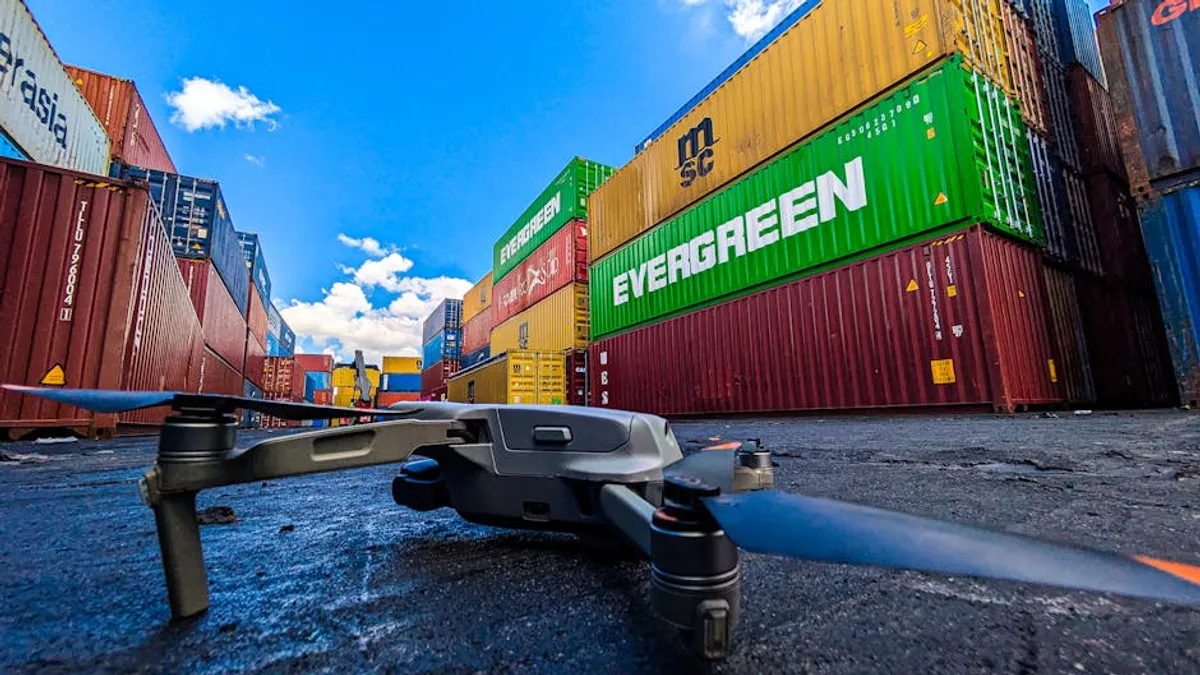
Beyond the warehouse, drone delivery and self-driving vehicles are advancing, albeit with varying regulatory hurdles. In controlled environments, drones are already proving effective for rapid delivery of small, high-value items or urgent medical supplies over short distances. Self-driving trucks, currently in pilot programs, promise to address driver shortages, reduce long-haul operational costs, and improve safety through consistent, optimized driving patterns. The commercial viability of these systems in 2026 will depend heavily on infrastructure development and regulatory frameworks, but their impact on efficiency and cost reduction is clear.
Hyper-Personalized Customer Experiences
Customer expectations for transparency and flexibility in delivery are higher than ever. Logistics technology in 2026 will increasingly focus on leveraging data to provide hyper-personalized experiences. This involves more than just real-time tracking; it encompasses proactive communication, flexible delivery options, and personalized post-delivery support. Advanced analytics process customer preferences, historical delivery data, and even social media sentiment to tailor delivery windows, communication channels, and resolution processes.
- Proactive Notifications: Automated alerts about potential delays, alternative routes, or delivery window changes, often through preferred channels like SMS or dedicated apps.
- Flexible Delivery Options: Allowing customers to reschedule, redirect packages to alternative pickup points, or authorize specific drop-off locations mid-transit.
- Personalized Return Processes: Streamlined, data-driven return labels and options that simplify the customer experience, often integrated with reverse logistics planning.
- Predictive Service: Using AI to anticipate potential customer service issues before they arise, enabling pre-emptive communication or solutions.
This focus on individual customer journeys not only improves satisfaction but also reduces inbound customer service inquiries by providing self-service solutions and clear information.
Blockchain for Supply Chain Transparency and Security
Blockchain technology offers a decentralized, immutable ledger that can record every transaction and movement of goods across a supply chain. In 2026, its application will extend beyond proof-of-concept to provide verifiable transparency and enhanced security, particularly for high-value goods, pharmaceuticals, and food products. Each step—from raw material sourcing to final delivery—can be timestamped and recorded, creating an unalterable audit trail.
This capability is critical for combating counterfeiting, ensuring ethical sourcing, and complying with increasingly stringent regulatory requirements. Smart contracts, built on blockchain, can automate payments and release conditions once predefined criteria are met, reducing administrative overhead and accelerating financial settlements. The primary challenge remains industry-wide adoption and interoperability among disparate systems, but the foundational benefits for trust and efficiency are substantial.
Pro Tip: When evaluating new logistics technologies, prioritize solutions that offer robust API integration capabilities. The true power of AI, blockchain, and autonomous systems emerges when they can seamlessly exchange data with existing ERP, WMS, and TMS platforms. Siloed systems will severely limit the return on investment and create new operational bottlenecks.
Sustainable Logistics and Green Technology Adoption
Environmental concerns and regulatory pressures are driving significant investment in sustainable logistics technologies. By 2026, the adoption of electric vehicles (EVs) for last-mile and regional deliveries will expand significantly, supported by improving battery technology and charging infrastructure. Route optimization software, enhanced by AI, will further reduce carbon footprints by minimizing mileage and avoiding congested areas.
Beyond transportation, sustainable packaging solutions—biodegradable materials, reusable containers, and optimized packaging dimensions—will become more prevalent, driven by both consumer demand and corporate sustainability goals. Reverse logistics, the process of managing returns and recycling, will also benefit from enhanced technological integration, using data to optimize collection routes and processing centers, thereby reducing waste and improving resource recovery rates. These initiatives not only contribute to environmental stewardship but also offer long-term cost savings through reduced fuel consumption and waste management expenses, while enhancing brand reputation.
Digital Twins for Operational Optimization
Digital twin technology involves creating virtual replicas of physical assets, processes, or entire supply chains. These digital models are fed real-time data from their physical counterparts, allowing businesses to simulate scenarios, predict outcomes, and optimize operations without disrupting actual processes. In 2026, digital twins will become indispensable tools for strategic planning and continuous improvement in logistics.
For example, a digital twin of a warehouse can simulate different layout configurations, automation strategies, or inventory placement to identify the most efficient setup before any physical changes are made. Similarly, a digital twin of a transportation network can model the impact of new routes, vehicle types, or weather events on delivery times and costs. This predictive modeling capability allows for risk mitigation, performance optimization, and informed decision-making, leading to significant gains in efficiency and resilience.
Strategic Adoption of Logistics Technologies
Navigating the evolving landscape of logistics technology requires a strategic, phased approach. Businesses must first assess their current operational bottlenecks and identify where technological intervention can yield the most significant impact. Prioritize solutions that offer clear ROI through cost reduction, efficiency gains, or enhanced customer experience. Pilot programs are crucial for testing new technologies on a smaller scale, allowing for adjustments and refinements before full-scale deployment. Furthermore, investing in workforce training and fostering a culture of technological adoption will be as critical as the technology itself, ensuring that human capital can effectively leverage these advanced tools. The goal is not merely to implement technology, but to integrate it into a cohesive, resilient, and forward-looking logistics ecosystem.
Frequently Asked Questions
What is the most impactful logistics technology trend for 2026?
While all trends are significant, the integration of AI and Machine Learning for predictive logistics holds the most transformative potential. Its ability to optimize across demand forecasting, routing, and inventory management provides a foundational layer for efficiency gains and data-driven decision-making that influences nearly every other aspect of logistics operations.
How can small businesses adopt these advanced logistics technologies?
Small businesses can start by focusing on modular, cloud-based solutions that offer scalability and lower upfront investment. Prioritize technologies with clear, measurable benefits like AI-driven route optimization software or basic warehouse automation (e.g., collaborative robots). Partnering with 3PLs (third-party logistics providers) that have already invested in these technologies can also provide access without direct capital expenditure.
What are the primary challenges in implementing new logistics tech?
Key challenges include data integration with existing legacy systems, the significant initial investment required for some advanced technologies (like autonomous fleets), ensuring cybersecurity across interconnected systems, and the need for skilled personnel to manage and maintain these complex tools. Overcoming these requires careful planning, phased implementation, and continuous training.
How does sustainability factor into future logistics technology?
Sustainability is a core driver for future logistics technology. Innovations like electric vehicles, AI-optimized routes to reduce emissions, sustainable packaging materials, and efficient reverse logistics systems are all designed to minimize environmental impact. These technologies help businesses meet regulatory requirements, respond to consumer demand for greener practices, and often result in long-term operational cost savings.