The landscape of China's manufacturing and logistics sectors is undergoing rapid, fundamental shifts, driven by technological advancements, evolving global trade dynamics, and domestic policy priorities. For businesses operating within or relying on China's supply chain, understanding these trends is not merely an academic exercise; it represents a critical component of strategic planning, risk mitigation, and competitive positioning. Ignoring these developments can lead to increased operational costs, extended lead times, compliance issues, and missed market opportunities. This analysis focuses on the specific, actionable trends shaping these industries, offering context for decision-makers navigating this complex environment. This analysis focus on the critical steps needed for vetting your potential suppliers to ensure reliability and compliance.
Key Manufacturing Sector Transformations
China's manufacturing prowess is evolving beyond its traditional low-cost labor model towards higher-value, technology-intensive production. This transition impacts product development, supply chain design, and intellectual property considerations for international partners.
Automation and Smart Manufacturing Adoption
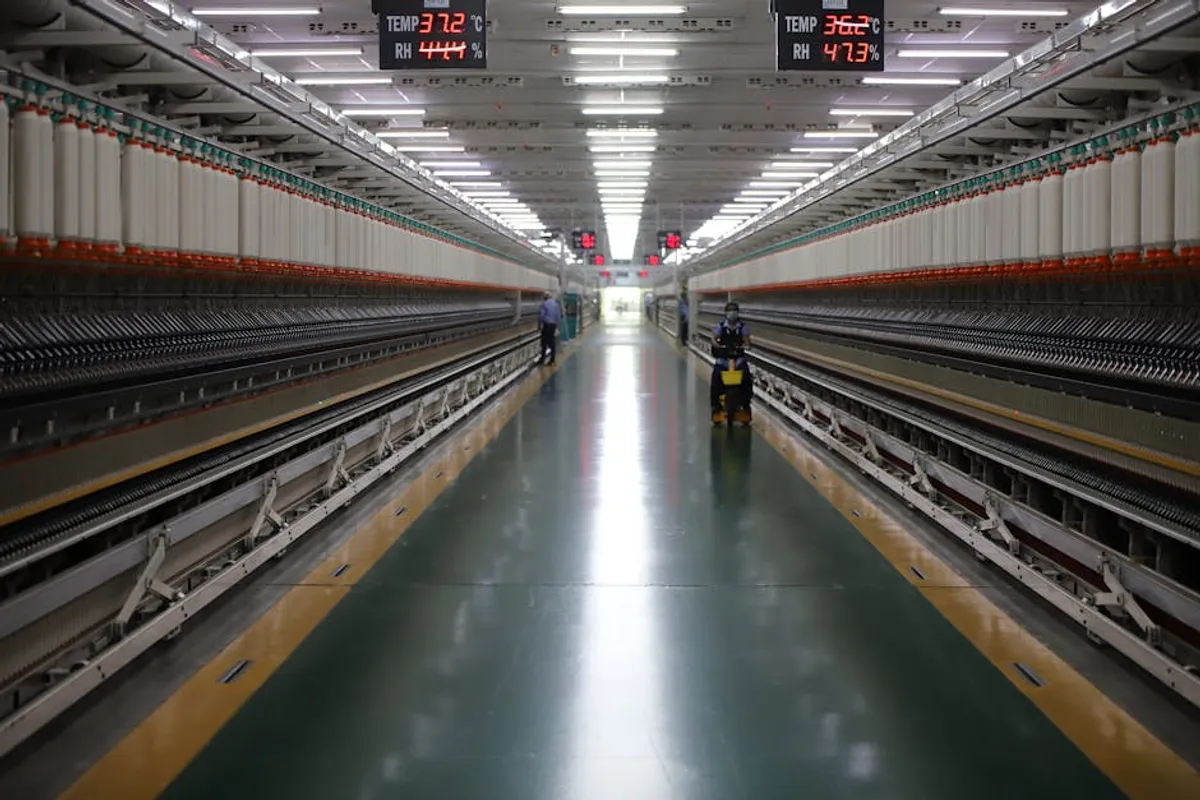
Factories across China are integrating advanced robotics, artificial intelligence, and the Internet of Things (IoT) to enhance production efficiency and reduce reliance on manual labor. This move is a direct response to rising labor costs and a strategic push for industrial upgrading. Businesses sourcing from China should anticipate:
- Increased Capital Expenditure: Factories are investing heavily in automation, which can translate into higher initial tooling costs but potentially lower unit costs over volume.
- Enhanced Quality Control: Automated processes often lead to greater precision and consistency in product output, reducing defect rates.
- Reduced Flexibility for Small Batches: Highly automated lines are optimized for scale, potentially making small, customized orders less economically viable without premium pricing.
Supply Chain Diversification and Resilience
Geopolitical tensions and the lessons from recent global disruptions have accelerated efforts to diversify supply chains. While China remains a dominant manufacturing hub, companies are increasingly exploring a "China + 1" or "China + N" strategy, establishing secondary production bases in Southeast Asia, India, or even reshoring certain operations. This trend necessitates:
- Dual Sourcing Strategies: Identifying alternative suppliers or manufacturing locations to mitigate single-point-of-failure risks.
- Regional Hub Development: Establishing smaller, localized manufacturing and distribution centers closer to end markets to reduce transit times and improve responsiveness.
- Increased Due Diligence: Thoroughly vetting new suppliers in emerging markets for quality, compliance, and ethical standards.
Sustainability and Green Manufacturing Initiatives
Chinese governmental policies are increasingly pushing for stricter environmental regulations and sustainable manufacturing practices. This includes mandates for reduced emissions, energy efficiency, and waste management. Manufacturers are responding by:
- Adopting Eco-Friendly Materials: Shifting to recycled, biodegradable, or sustainably sourced inputs.
- Investing in Renewable Energy: Incorporating solar and wind power into factory operations to reduce carbon footprint.
- Implementing Circular Economy Principles: Designing products for longevity, repairability, and recyclability, often requiring new production methodologies.
Evolving Logistics and Supply Chain Dynamics
The movement of goods within and from China is becoming more complex and technologically driven, demanding greater visibility and agility from logistics providers and their clients.
E-commerce Logistics Expansion
The explosive growth of domestic and cross-border e-commerce continues to reshape logistics. This requires robust infrastructure for last-mile delivery, efficient customs clearance for international shipments, and sophisticated inventory management systems. Key aspects include:
- Micro-Fulfillment Centers: Smaller, strategically located warehouses to serve dense urban areas, reducing delivery times.
- Automated Sorting and Picking: Robotics and AI in warehouses to handle high volumes of diverse SKUs efficiently.
- Integrated Digital Platforms: Systems that connect order placement, inventory, shipping, and delivery tracking in real-time.
Multimodal Transport Integration
Reliance on single modes of transport is decreasing. The integration of rail, sea, air, and road freight offers greater flexibility, cost optimization, and resilience. The Belt and Road Initiative (BRI) continues to expand rail connectivity, offering alternatives to traditional ocean shipping for certain routes and cargo types.
Pro Tip: Businesses should conduct a comprehensive supply chain mapping exercise to identify critical vulnerabilities and explore multimodal transport options. Diversifying shipping routes and carriers, even at a slightly higher immediate cost, can significantly reduce long-term risk exposure to port congestion, geopolitical disruptions, or single-mode failures. Prioritize transparency from logistics partners regarding their contingency plans.
Data-Driven Logistics Optimization
The application of big data analytics, artificial intelligence, and machine learning is transforming logistics operations. This enables predictive analytics for demand forecasting, route optimization, real-time tracking, and proactive problem-solving. Companies leveraging these tools gain a competitive edge through improved efficiency and reduced costs.
Navigating the Evolving Landscape
The shifts in China's manufacturing and logistics sectors necessitate a proactive and adaptive approach. Businesses must move beyond traditional sourcing models to embrace strategies that prioritize resilience, transparency, and technological integration. This involves continuous monitoring of policy changes, investing in supply chain visibility tools, and fostering strong, diversified supplier relationships. Agility in decision-making and a willingness to adapt operational models are paramount for sustained success in this dynamic environment.
Frequently Asked Questions
How will rising labor costs in China impact manufacturing decisions?
Rising labor costs are accelerating automation adoption and pushing manufacturers towards higher-value, more complex products. For businesses, this may mean higher unit costs for labor-intensive goods, prompting exploration of automation investments or diversification to regions with lower labor costs for certain product lines.
What role does sustainability play in China's manufacturing future?
Sustainability is a core focus, driven by government mandates and consumer demand. Manufacturers are adopting greener practices, eco-friendly materials, and renewable energy. Businesses sourcing from China should expect increasing scrutiny on environmental compliance and may need to adapt product designs and material choices to meet these evolving standards.
How can businesses mitigate supply chain risks originating from China?
Mitigation involves diversification of suppliers and manufacturing locations ("China + 1" strategy), implementing robust inventory management, enhancing supply chain visibility through technology, and developing strong relationships with multiple logistics providers. Regular risk assessments and contingency planning are also crucial.
What are the implications of China's e-commerce growth for global logistics?
The growth of e-commerce necessitates more sophisticated, faster, and often smaller-scale logistics solutions. This includes improved last-mile delivery, efficient cross-border customs processes, and advanced warehouse automation. Businesses must ensure their logistics partners can handle high-volume, diverse shipments with speed and accuracy.