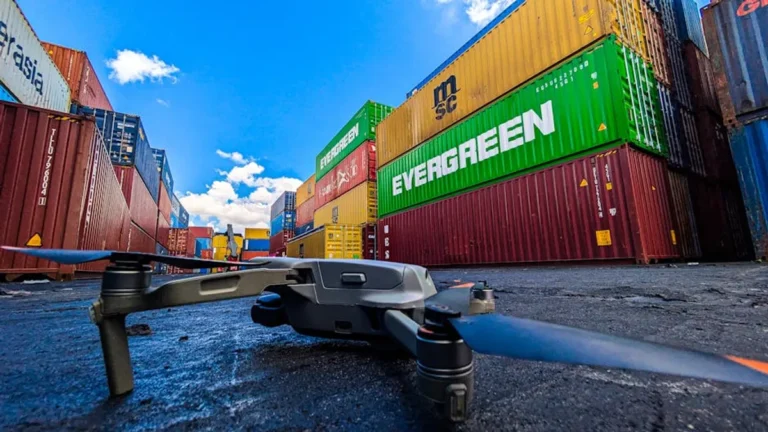

Importing goods from China offers significant opportunities for businesses seeking competitive pricing and diverse product offerings. However, the process is complex, fraught with potential pitfalls that can erode profit margins, delay shipments, or result in unsellable inventory. Navigating this landscape requires more than just finding a low price; it demands meticulous planning, rigorous due diligence, and a clear understanding of international trade practices. Businesses that fail to anticipate and mitigate common mistakes often face costly setbacks, from quality control disasters to unforeseen logistical hurdles and legal disputes. Success in China imports hinges on proactive risk management and informed decision-making at every stage. To better navigate these complexities, consider consulting a comprehensive import risk checklist before you begin.
Underestimating Supplier Vetting
One of the most critical errors importers make is insufficient vetting of potential suppliers. A superficial online search or reliance on a single trade show encounter rarely provides enough information to assess a factory's capabilities, reliability, or ethical standards. The consequences range from receiving substandard products to outright fraud.
Skipping Background Checks
Verifying a supplier's legitimacy extends beyond confirming their business registration. Importers should request and independently verify business licenses, export licenses, and any relevant certifications (e.g., ISO 9001, CE, RoHS). A factory audit conducted by a reputable third party offers direct insight into production capacity, quality control systems, working conditions, and adherence to specifications. This audit can reveal discrepancies between a supplier's claims and their actual operations, such as subcontracting production to unapproved facilities or lacking proper machinery.
Relying Solely on Online Directories
While platforms provide a starting point, they do not guarantee supplier quality or integrity. Many suppliers present an idealized version of their capabilities. Direct communication, video calls to tour facilities, and requesting samples are essential. Beyond these, seeking references from other buyers (if possible) and checking for any past disputes or negative feedback can provide a more balanced view. Due diligence here saves significant time and money down the line.
Mismanaging Quality Control
Quality issues represent a primary concern for importers. Assuming a supplier will inherently meet Western quality standards without explicit instructions and verification mechanisms is a costly mistake that leads to high defect rates, returns, and brand damage.
Neglecting Pre-Shipment Inspections
Waiting until goods arrive at their destination to discover quality problems is too late. Implementing a multi-stage inspection process is crucial. This typically includes:
- Pre-production inspection: Verifying raw materials and components meet specifications before mass production begins.
- In-line production inspection: Monitoring quality during the manufacturing process to catch issues early.
- Pre-shipment inspection (PSI): A final, comprehensive check of finished goods against specifications, packaging requirements, and quantity before the container is sealed. PSI ensures that the bulk order matches the approved samples and quality standards.
These inspections, often conducted by independent third-party agencies, provide an objective assessment and leverage in resolving disputes before payment is finalized.
Unclear Quality Specifications
Vague quality descriptions like "good quality" or "standard quality" are open to interpretation and a common source of conflict. Importers must provide detailed specifications, including material composition, dimensions, weight, color codes (e.g., Pantone, RAL), performance metrics, acceptable defect rates (AQL), packaging requirements, and testing methods. Providing golden samples and detailed product manuals further clarifies expectations.
Ignoring Incoterms and Shipping Logistics
The choice of Incoterms (International Commercial Terms) dictates who is responsible for shipping costs, insurance, and risk at various points in the journey. Misunderstanding these terms can lead to unexpected expenses, delays, and liability issues.
Choosing the Wrong Incoterm
Common Incoterms and their implications:
EXW (Ex Works): The buyer is responsible for all costs and risks from the factory gate onwards. Often appears cheapest upfront but requires the buyer to manage all logistics.
FOB (Free On Board): The seller is responsible for delivering goods to the named port of shipment and loading them onto the vessel. Risk and cost transfer to the buyer once goods are on board. This is a common choice for experienced importers as it provides good control over freight costs.
CIF (Cost, Insurance and Freight): The seller pays for costs and freight to bring the goods to the named port of destination and also purchases insurance against the buyer's risk of loss or damage during carriage. Risk transfers once goods are on board the vessel at the port of shipment.
DDP (Delivered Duty Paid): The seller handles all costs and risks, including customs clearance and duties, until the goods are delivered to the buyer's specified location. This is the most convenient for buyers but often includes hidden markups from the seller.
Selecting an Incoterm without fully understanding its implications can lead to unexpected charges for freight, insurance, customs duties, and local transportation.
Overlooking Hidden Shipping Costs
Beyond the quoted freight rate, importers must account for terminal handling charges, customs brokerage fees, demurrage (charges for delays at port), detention (charges for delayed container return), port storage fees, and local delivery costs. Working with a reliable freight forwarder who provides transparent quotes and manages the entire shipping process is crucial.
Pro Tip: Always request a "landed cost" estimate from your freight forwarder that includes all charges from the factory floor to your warehouse. This comprehensive figure reveals the true cost per unit and helps avoid budget overruns from unforeseen logistical expenses.
Poor Contract Management
A handshake agreement or a simple purchase order is insufficient for international trade. A robust, legally binding contract protects both parties and provides a framework for dispute resolution.
Ambiguous Payment Terms
Standard practice often involves an upfront deposit (e.g., 30%) to initiate production and the remaining balance upon completion or pre-shipment inspection approval. Avoid paying 100% upfront. Clearly define payment milestones tied to verifiable progress (e.g., raw material procurement, production completion, PSI approval, loading onto vessel). Using secure payment methods like Letters of Credit (LC) for larger orders can add a layer of protection, though they involve more complexity and cost.
Lack of Intellectual Property Protection
China is a first-to-file jurisdiction for trademarks. Failing to register your brand name, logo, and product designs in China before manufacturing can result in your own products being legally blocked from export or even seized. Include clear IP clauses in your manufacturing agreement, outlining ownership, confidentiality, and non-disclosure terms. While enforcement can be challenging, having these protections in place is a necessary deterrent and legal foundation.
Inadequate Communication and Cultural Understanding
Effective communication is the bedrock of successful international partnerships. Language barriers and cultural differences can lead to misunderstandings, delays, and damaged relationships.
Assuming English Proficiency
While many Chinese suppliers have English-speaking staff, proficiency levels vary. Critical details, especially technical specifications or legal terms, should be confirmed in writing and potentially translated into Mandarin to ensure mutual understanding. Using simple, direct language and avoiding jargon helps prevent misinterpretation.
Overlooking Cultural Nuances
Business culture in China often emphasizes long-term relationships (guanxi), indirect communication, and saving face. Direct confrontation can be counterproductive. Patience, respect, and a willingness to build trust over time are crucial. Understanding that "yes" might mean "I hear you" rather than "I agree" requires careful confirmation and clarification.
Streamlining Your Import Process
Successfully importing from China is achievable with a systematic approach to risk mitigation. It demands thorough research, clear communication, robust contracts, and diligent oversight at every stage. By actively avoiding these common mistakes, businesses can optimize their supply chain, ensure product quality, and protect their investments, ultimately fostering a more reliable and profitable international trade relationship.
Frequently Asked Questions
What are Incoterms and why are they important for China imports?
Incoterms are internationally recognized trade terms that define the responsibilities of buyers and sellers for the delivery of goods under sales contracts. They specify who is responsible for paying and managing the shipment, insurance, documentation, and customs clearance at various stages, directly impacting your costs and liabilities.
How can I verify a Chinese supplier's legitimacy and reliability?
Verify business licenses, export permits, and certifications through independent third parties. Conduct factory audits, request samples, check references, and use secure payment terms that protect against fraud, such as partial upfront payments with the balance due upon verified completion or inspection.
What is the most critical step for ensuring product quality when importing from China?
Establishing clear, detailed quality specifications upfront and implementing multi-stage third-party inspections (pre-production, in-line, and pre-shipment) are paramount. This proactive approach catches issues early and provides leverage for resolution before goods are shipped.
What payment terms are common for China imports and what should I watch out for?
A common structure is a 30% upfront deposit to start production, with the remaining 70% paid upon completion or pre-shipment inspection approval. Avoid paying 100% upfront. For larger orders, Letters of Credit (LC) offer more security but involve higher costs and complexity. Always tie payments to verifiable production milestones.