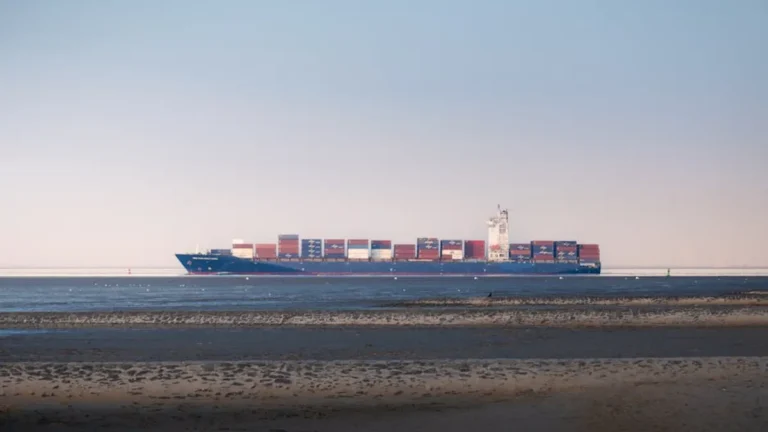

Managing logistics for shipments originating from China presents unique complexities, from navigating diverse carrier networks to customs processing and last-mile delivery across international borders. Without a robust tracking strategy, businesses risk reduced visibility, increased customer inquiries, and potential supply chain disruptions. The objective is not merely to locate a tracking number, but to gain actionable insight into every stage of your cargo's journey, enabling proactive management and informed decision-making for your supply chain. Gaining clarity on the various shipping terms when importing is key to avoiding unexpected costs and delays.
Understanding the Shipment Tracking Ecosystem
Effective tracking begins with understanding the various components involved in moving goods from China. Shipments typically involve multiple handoffs, each with its own tracking mechanisms and data points. This ecosystem includes the originating manufacturer, local Chinese carriers, international freight forwarders, customs agencies, and destination country carriers. Understanding the role of each participant helps in choosing the right warehouse and fulfillment options for your business needs.
The Role of Tracking Numbers
Every parcel or container is assigned a unique identifier. This tracking number is the primary key for all monitoring activities. It's crucial to distinguish between domestic Chinese tracking numbers, which may be short-lived, and international tracking numbers, which are typically longer and designed for global visibility. Freight forwarders often provide master tracking numbers that consolidate multiple smaller shipments or provide visibility across different legs of a journey.
Diverse Carrier Networks and Their Impact
Shipments from China can utilize a wide array of carriers, including:
- Postal Services: China Post, ePacket, EMS. These are often cost-effective for smaller, lighter items but can have longer transit times and less detailed tracking updates.
- Express Couriers: DHL, FedEx, UPS, TNT. These offer faster transit, more frequent updates, and often handle customs clearance more efficiently, albeit at a higher cost.
- Ocean Freight: Maersk, COSCO, Evergreen. For larger, bulkier shipments, ocean freight is standard. Tracking involves container numbers, bill of lading numbers, and port-to-port schedules.
- Air Cargo: Dedicated air freight carriers. Faster than ocean, slower than express, suitable for medium-to-large urgent shipments. Tracking typically involves air waybill numbers.
Each carrier has its own tracking portal, data update frequency, and API capabilities, which complicates centralized monitoring without specific tools.
Direct Carrier Tracking: Strengths and Limitations
The most straightforward method involves using the tracking portal provided directly by the carrier handling your shipment. For example, if your package is sent via DHL, you would input the tracking number on the DHL website. This provides real-time updates directly from the source.
Strengths: Data is typically the most accurate and up-to-date for that specific leg of the journey. It's free and accessible to anyone with a tracking number.
Limitations: This method becomes inefficient when a shipment involves multiple carriers (e.g., China Post to USPS) or when managing a high volume of diverse shipments. Handoffs between carriers often result in a new tracking number, requiring manual re-entry and monitoring across different platforms, leading to fragmented visibility.
Leveraging Multi-Carrier Tracking Platforms
For businesses managing multiple shipments from various suppliers and carriers, multi-carrier tracking platforms offer a consolidated solution. These platforms integrate with hundreds of global carriers, providing a unified interface for all your tracking data.
Best for: Businesses with moderate to high shipment volumes, e-commerce operations, and those needing a single source of truth for logistics data.
Such platforms typically offer:
- Centralized Dashboard: View all shipments, regardless of carrier, in one place. This reduces the need to visit multiple carrier websites.
- Automated Updates: Receive real-time status changes via email, SMS, or webhooks, reducing manual checking.
- Customizable Notifications: Set up alerts for specific events like "out for delivery," "customs hold," or "delivery exception."
- API Integrations: For larger operations, these platforms often provide APIs that allow integration of tracking data directly into your CRM, ERP, or e-commerce platform. This automates data flow and enhances customer service capabilities by providing self-service tracking options.
- Analytics and Reporting: Gain insights into transit times, carrier performance, and delivery success rates, which can inform future logistics decisions.
Integrating Tracking Data for Enhanced Visibility
For advanced supply chain management, simply tracking individual packages is insufficient. Integrating tracking data into broader business systems provides a holistic view and enables proactive problem-solving.
Enterprise Resource Planning (ERP) Systems: Integrating tracking APIs directly into an ERP allows real-time updates to populate inventory records, financial ledgers, and customer order statuses. This ensures that sales, finance, and logistics teams operate with consistent, current information.
Supply Chain Management (SCM) Platforms: Dedicated SCM software can ingest tracking data from various sources, combine it with inventory levels, production schedules, and demand forecasts. This allows for predictive analytics regarding potential delays and their impact on the entire supply chain.
Customer Relationship Management (CRM) Systems: Linking tracking data to CRM allows customer service agents to access real-time shipment status without leaving their primary interface. This reduces inquiry resolution time and improves customer satisfaction by providing accurate, immediate answers.
Pro Tip: Always verify the tracking number format provided by your supplier. A common issue is receiving a local Chinese tracking number that does not work once the package leaves China. Request the international tracking number or the master bill of lading/air waybill number upfront to ensure continuous visibility across borders. If the number seems too short or unconventional, clarify with your supplier immediately.
Key Practices for Proactive Shipment Monitoring
Beyond selecting the right tools, establishing robust practices is essential for effective tracking.
Standardized Data Collection: Implement a system to consistently record all relevant shipping information, including supplier details, order numbers, carrier names, tracking numbers (both local and international, if applicable), and expected delivery dates. This centralizes information and facilitates quick lookups.
Set Up Automated Alerts: Configure notifications for critical status changes. These include "in transit," "customs clearance initiated," "customs hold," "out for delivery," and "delivery exception." Proactive alerts allow you to address issues before they escalate.
Regular Review of Tracking Dashboards: Even with automated alerts, routinely checking your tracking dashboard provides a broader overview of all active shipments. This helps identify trends, potential bottlenecks, or recurring issues with specific carriers or routes.
Communicate with Suppliers and Carriers: Maintain open lines of communication. If a tracking status is unclear or hasn't updated for an extended period, reach out to your supplier or the freight forwarder for clarification. They often have access to more granular internal data.
Streamlining Your Tracking Workflow
Optimizing your tracking process means reducing manual effort and increasing data accuracy. For businesses, this involves more than just checking a website; it’s about integrating tracking into operational workflows.
Consider implementing a system where tracking numbers are automatically pulled from order confirmations or shipping manifests into your chosen tracking platform. This eliminates data entry errors and ensures every shipment is monitored from the outset. Furthermore, integrate the tracking platform with your customer-facing channels, such as your website's "Order Status" page or automated email updates. This empowers customers with self-service tracking, significantly reducing inbound customer service inquiries regarding shipment status.
Optimizing Your China Shipment Tracking Strategy
Effective shipment tracking from China is an ongoing process of optimization. It requires a combination of reliable tools, clear internal procedures, and proactive communication. By understanding the multi-faceted nature of international logistics, leveraging technology for consolidation and automation, and maintaining vigilance over key data points, businesses can significantly enhance their supply chain visibility. This leads to fewer delays, better inventory management, and ultimately, higher customer satisfaction through transparent and predictable delivery experiences.
Frequently Asked Questions
Why is my tracking not updating for a shipment from China?
Tracking updates can pause for several reasons: the package might be awaiting transfer to a new carrier (especially after leaving China), undergoing customs clearance, or experiencing a general delay during peak shipping seasons. It's common for updates to be infrequent during the international transit phase. If no updates appear for over 7-10 business days, contact your supplier or freight forwarder.
What do different tracking statuses like "Origin Post is Preparing Shipment" mean?
"Origin Post is Preparing Shipment" typically means the package has been received by the originating postal service but has not yet departed the country. Other common statuses include "Departed from Origin Country," "Arrived at Destination Country," "In Customs," "Out for Delivery," and "Delivered." Each status indicates a specific stage of the journey.
How do I handle customs delays for my Chinese shipment?
Customs delays are often unavoidable. Ensure all documentation (commercial invoice, packing list, customs declarations) is accurate and complete to minimize issues. If a delay occurs, the carrier or freight forwarder will usually notify you if additional information or duties are required. Respond promptly to any requests to expedite clearance.
What if my package is marked "delivered" but I haven't received it?
First, check with neighbors, building management, or other household members. Sometimes packages are left in a secure location near your door. If still not found, contact the final delivery carrier immediately to initiate an investigation. Provide them with your tracking number and delivery address details. Also, inform your supplier or seller.