
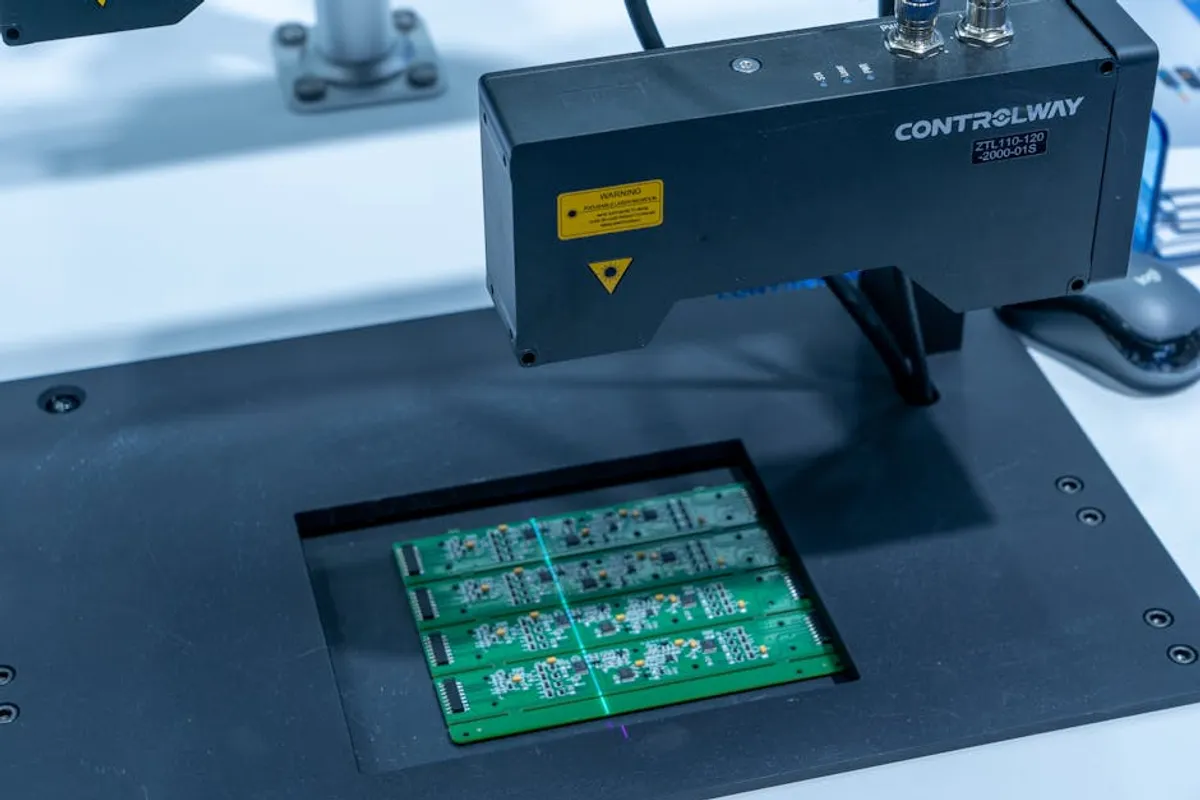
Ensuring product quality before shipment is not merely a procedural step; it is a critical commercial imperative that directly impacts brand reputation, customer loyalty, and financial performance. Defective products reaching the end-user lead to costly returns, negative reviews, and eroded trust, often far outweighing the expense of implementing a robust quality control process upfront. This guide outlines the essential steps and considerations for establishing an effective pre-shipment quality control (PQC) framework, designed to safeguard your product integrity and protect your business interests.
Defining Pre-Shipment Quality Control (PQC)
Pre-shipment Quality Control refers to the systematic inspection of goods before they are dispatched from the factory or warehouse. This final check verifies that products meet specified quality standards, quantity requirements, and packaging criteria agreed upon by the buyer and supplier. Its primary objective is to prevent substandard or incorrect products from entering the supply chain, thereby minimizing post-delivery issues, reducing warranty claims, and avoiding the significant costs associated with product recalls or customer dissatisfaction.
Key Stages of a Comprehensive PQC Process
While "pre-shipment" often implies the final inspection, a truly effective quality control strategy integrates checks throughout the production cycle. These stages collectively build a layered defense against defects.
Initial Production Check (IPC)
The IPC occurs at the very beginning of the manufacturing process, typically when 10-20% of the raw materials or components are ready for assembly. This stage focuses on verifying the quality of raw materials, ensuring components meet specifications, and checking the initial production run for potential issues. Identifying problems at this early stage prevents the waste of materials and labor on defective products, making corrections significantly less costly and time-consuming.
During Production Inspection (DUPRO)
A DUPRO inspection takes place when 30-50% of the production order is complete and packed. This mid-production check monitors the consistency of the manufacturing process, identifies any deviations from quality standards, and verifies that corrective actions from earlier stages have been effectively implemented. It allows for adjustments to be made while production is ongoing, preventing a large batch of non-conforming goods.
Final Random Inspection (FRI)
The Final Random Inspection is the most common form of pre-shipment quality control and is conducted when 80-100% of the order is completed and packed. This inspection verifies the finished products against the agreed-upon specifications, covering aspects such as appearance, workmanship, functionality, quantity, packaging, and shipping marks. The FRI is crucial for making the final decision on whether to accept or reject a shipment.
Pro Tip: Never rely solely on a single inspection stage. A multi-stage quality control approach, integrating IPC, DUPRO, and FRI, provides the most robust defense against product defects, significantly reducing the risk of costly post-shipment issues and protecting your brand's reputation.
Establishing Your PQC Protocol
A successful PQC program hinges on clear, measurable standards and a well-defined process.
Specification Development
Before any inspection can occur, detailed product specifications must be established and agreed upon with the manufacturer. These specifications should cover all critical aspects of the product, including dimensions, materials, color, functionality, performance standards, safety requirements, and packaging details. Crucially, define Acceptable Quality Limits (AQLs) for major, minor, and critical defects, providing a quantitative basis for acceptance or rejection.
Sampling Plans
Inspecting every single item in a large order is often impractical and cost-prohibitive. Therefore, sampling plans, such as those based on ISO 2859-1 (formerly MIL-STD-105E), are used to select a statistically representative sample size for inspection. This method provides a reliable assessment of the overall batch quality without requiring 100% inspection. The sampling plan dictates how many units to inspect and the maximum number of allowable defects for the batch to pass.
Inspection Checklists
Develop a comprehensive inspection checklist tailored to each product. This document serves as a standardized guide for inspectors, ensuring consistency and thoroughness. A typical checklist includes:
- Quantity verification (actual count vs. order)
- Visual inspection (surface defects, color consistency, assembly)
- Functionality testing (operating performance, safety features)
- Packaging integrity (materials, protection, inner/outer cartons)
- Labeling accuracy (barcodes, product information, country of origin)
- Shipping mark verification (carton markings, destination, gross/net weight)
- Drop tests and carton compression tests (for packaging durability)
Executing the PQC Inspection
The execution phase requires meticulous attention to detail and adherence to the established protocol.
Visual and Workmanship Checks
Inspectors systematically examine products for cosmetic flaws, such as scratches, dents, misalignments, inconsistent finishes, or incorrect colors. Workmanship checks assess the quality of assembly, stitching, welding, or other manufacturing processes to ensure they meet specified standards and exhibit professional execution.
Functional Testing
This involves operating the product to verify it performs as intended. For electronics, this might include power-on tests, button functionality, and interface checks. For mechanical items, it could involve movement, load-bearing capacity, or assembly tests. Functional tests confirm that the product delivers its core utility effectively and safely.
Packaging and Labeling Verification
Beyond protecting the product during transit, packaging serves as a crucial point of brand communication and legal compliance. Inspectors verify that internal and external packaging materials are correct, protective inserts are present, and all required labels, barcodes, and shipping marks are accurate, legible, and correctly placed. This includes checking for compliance with destination market regulations.
Quantity Verification
A final count of packed units ensures the total quantity matches the purchase order. This prevents short shipments or overages, which can lead to logistical complications and financial discrepancies.
Managing PQC Outcomes
The inspection results dictate the next steps and are vital for continuous improvement.
Reporting and Documentation
Every inspection must conclude with a detailed report. This report should document all findings, including passed and failed criteria, the number and type of defects found, and photographic evidence for clarity. Comprehensive documentation provides traceability, supports decision-making, and serves as a record for future reference and supplier performance evaluation.
Corrective and Preventive Actions (CAPA)
When defects are identified, a CAPA process is initiated. Corrective actions address the immediate issues (e.g., rework, replacement of defective units), while preventive actions focus on identifying the root cause of the defect and implementing systemic changes to prevent its recurrence in future production runs. Effective CAPA is essential for improving supplier quality over time.
Decision Making
Based on the inspection report and AQLs, a clear decision must be made: accept the shipment, reject it, or accept with conditions (e.g., after rework). This decision should be communicated promptly to the supplier and logistics partners to avoid delays.
Practical Steps for Robust Pre-Shipment Quality Control
To implement a commercially sound PQC strategy, focus on these actionable areas:
Standardize Everything: From specifications to checklists, ensure all documentation is clear, unambiguous, and agreed upon by all parties. Use visual aids and reference samples where possible.
Communicate Clearly: Maintain open and consistent communication with your suppliers regarding quality expectations, inspection results, and corrective actions. A collaborative approach fosters better outcomes.
Train Your Inspectors: Whether internal staff or third-party agencies, ensure inspectors are thoroughly trained on your specific product requirements, inspection protocols, and AQL standards. Their expertise directly impacts the reliability of the inspection.
Leverage Technology: Utilize digital tools for checklist management, report generation, and data analysis. This streamlines the process, improves accuracy, and provides valuable insights into supplier performance trends.
Continuously Improve: Regularly review your PQC process, analyze defect data, and update specifications based on field performance and customer feedback. Quality control is an ongoing journey, not a one-time event.
Frequently Asked Questions
What is an Acceptable Quality Limit (AQL)?
AQL is the maximum percentage of defective units that, for purposes of sampling inspection, can be considered satisfactory as a process average. It defines the threshold for accepting or rejecting a batch based on a statistical sample, balancing the cost of inspection with the risk of accepting defective products.
Who typically performs pre-shipment quality control?
PQC can be performed by the manufacturer's internal quality assurance team, by the buyer's own quality control personnel, or most commonly, by independent third-party inspection agencies specialized in product quality verification. Third-party inspections offer impartiality and expertise.
When in the production cycle should the final random inspection (FRI) occur?
The FRI should ideally be conducted when 80-100% of the production order is complete and at least 80% is packed into export cartons. This timing ensures that the inspection reflects the final state of the products as they would be shipped, including packaging and labeling.
What happens if a shipment fails the PQC inspection?
If a shipment fails, the buyer typically has several options, depending on the severity of the defects and contractual agreements. These may include requiring the supplier to rework or replace the defective units, offering a discount on the order, or rejecting the entire shipment. A clear action plan should be outlined in the supplier contract.