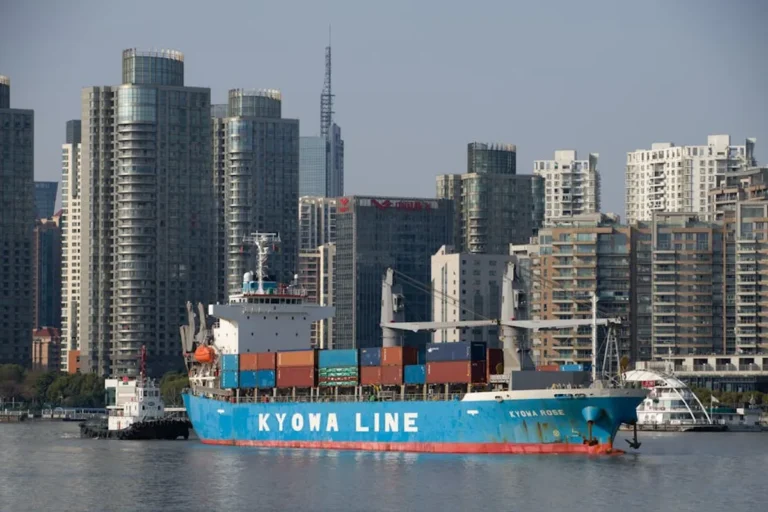

Selecting the appropriate shipping method is a critical decision in global logistics, directly impacting costs, delivery timelines, and cargo security. For ocean freight, the primary choice often narrows down to Less than Container Load (LCL) or Full Container Load (FCL). This decision is not arbitrary; it requires a detailed assessment of your specific shipment characteristics, budget constraints, and operational priorities. Understanding the fundamental differences and implications of each option is essential for optimizing your supply chain and ensuring efficient movement of goods. Understanding the fundamental differences and implications of each option is essential for optimizing your supply chain and ensuring efficient movement of goods.
Understanding Less than Container Load (LCL) Shipping
LCL shipping involves consolidating multiple shippers' goods into a single container. Your cargo shares container space with other shipments, and you pay only for the volume or weight your goods occupy. This method is managed by a freight forwarder who handles the consolidation at the origin port and deconsolidation at the destination port.
Characteristics and Considerations for LCL
- Cost Structure: Charges are based on the volumetric weight (CBM) or actual weight of your cargo, whichever is greater. This makes it cost-effective for smaller shipments that do not fill an entire container.
- Handling and Transit Time: LCL shipments typically involve more handling points—from origin warehouse to consolidation center, then to the port, and the reverse at destination. This increased handling, along with the need to fill the container and clear all individual shipments, generally results in longer transit times compared to FCL.
- Cargo Security: With multiple parties' goods in one container, there's a slightly elevated risk of damage or misplacement during the loading, unloading, and transit phases. Proper packaging and robust insurance are particularly important for LCL.
Best for: Small-to-medium sized shipments, samples, inventory top-ups, or when you have irregular shipping volumes that don't justify a full container. It allows businesses to maintain lower inventory levels and respond flexibly to demand without committing to large upfront shipping costs.
Understanding Full Container Load (FCL) Shipping
FCL shipping means your cargo occupies an entire container, regardless of whether it completely fills the space. The container is sealed at the origin and typically remains sealed until it reaches its final destination, unless customs inspections are required. You pay a flat rate for the entire container.
Characteristics and Considerations for FCL
- Cost Structure: You pay for the exclusive use of the container. For larger volumes, the per-unit cost of shipping can be significantly lower than LCL, as you are not subject to consolidation fees or volumetric calculations per se.
- Handling and Transit Time: FCL shipments experience fewer handling points. The container is loaded at your supplier's facility (or a nearby depot) and moves directly to the port, then directly to the destination warehouse. This streamlined process generally results in faster transit times and more predictable schedules.
- Cargo Security: The container is sealed with a unique number, providing enhanced security against tampering, damage, and theft. The reduced handling minimizes the risk of incidents during transit.
Best for: Large volume shipments, high-value goods, time-sensitive cargo, or when you require maximum security and minimal handling. It's also preferred when shipping to a single recipient or when you have consistent, high-volume shipping needs.
Key Factors Influencing Your Decision
The choice between LCL and FCL is rarely straightforward and depends on a confluence of factors unique to each shipment.
Volume and Weight of Goods
This is often the primary determinant. If your cargo is less than 15 CBM (cubic meters), LCL is typically more cost-effective. Between 15-20 CBM, the decision becomes marginal, requiring a detailed cost comparison. Above 20 CBM, FCL usually offers superior value. Container sizes (e.g., 20-foot, 40-foot, 40-foot High Cube) have specific internal capacities, and matching your volume to these capacities is crucial.
Cost Considerations
While LCL might seem cheaper initially for smaller volumes due to lower overall freight charges, it often includes additional fees for consolidation, deconsolidation, and per-CBM handling at both ends. FCL involves a single, all-inclusive rate for the container, which can be more economical per unit for larger shipments, even if the container isn't completely full. Always request detailed quotes for both options to compare total landed costs.
Transit Time and Urgency
LCL shipments inherently take longer due to the consolidation and deconsolidation processes, which add several days to the transit schedule. If your supply chain demands strict delivery deadlines or if goods are perishable or time-sensitive, FCL's direct route and faster transit times are a distinct advantage. Consider buffer times for LCL, especially during peak seasons.
Cargo Security and Handling
FCL offers a sealed, dedicated space, significantly reducing the risk of damage, loss, or theft. LCL cargo is handled multiple times, increasing exposure. If your goods are fragile, high-value, or susceptible to damage, FCL provides a higher level of security and less exposure to external elements. Proper packaging is paramount for LCL to mitigate these risks.
Flexibility and Scheduling
LCL provides greater flexibility for smaller, more frequent shipments, allowing businesses to maintain leaner inventories and respond quickly to market changes without holding large stocks. FCL requires larger order volumes and less frequent shipments, which can tie up capital in inventory but offer greater control over shipping schedules once booked.
Customs and Documentation
While both methods require accurate documentation, LCL shipments can sometimes face delays if one of the consolidated shipments has incomplete or incorrect paperwork. All cargo within an LCL container must clear customs before any portion can be released. FCL shipments, with their single bill of lading, generally experience smoother customs clearance once their own documentation is in order.
Pro Tip: Always factor in the "first mile" and "last mile" logistics when comparing LCL vs. FCL. For LCL, these segments might involve more complex trucking arrangements to consolidation/deconsolidation hubs. For FCL, direct delivery to your warehouse is often standard, simplifying the overall process and potentially reducing ground transport costs.
Making the Right Choice: A Practical Framework
To determine the optimal shipping method, evaluate your needs against these criteria:
- Assess Your Shipment Volume: Measure your cargo in cubic meters (CBM) and total weight. This is the foundational step.
- Determine Urgency: How critical is the delivery timeline? Can you afford extra days for transit and potential delays?
- Evaluate Cargo Characteristics: Is your cargo fragile, high-value, or sensitive to handling?
- Compare Total Costs: Obtain detailed quotes for both LCL and FCL, including all origin, ocean, and destination charges. Focus on the per-unit shipping cost.
- Consider Inventory Strategy: Do you prioritize frequent, smaller shipments to minimize inventory holding costs (LCL) or larger, less frequent shipments for economies of scale (FCL)?
Optimizing Your Shipping Strategy
The decision between LCL and FCL is not a one-time choice but an ongoing optimization task. Regularly review your shipping volumes, lead times, and budget to ensure your chosen method remains the most efficient. For businesses with fluctuating demand, a hybrid approach—using LCL for urgent or smaller top-up orders and FCL for bulk, planned inventory—can provide the best balance of cost-efficiency and responsiveness. Collaborate closely with your freight forwarder to leverage their expertise in navigating these complexities and securing the most suitable shipping solutions for your specific needs. Collaborate closely with your freight forwarder to leverage their expertise in navigating these complexities and securing the most suitable shipping solutions for your specific needs.
Frequently Asked Questions
What is the typical volume threshold where FCL becomes more cost-effective than LCL?
Generally, if your cargo exceeds 15-20 cubic meters (CBM), FCL often becomes more cost-efficient on a per-unit basis, even if the container isn't entirely full. Below this volume, LCL tends to be more economical for overall freight charges.
Does LCL shipping always take longer than FCL shipping?
Yes, LCL shipping almost always takes longer. The additional steps of consolidating multiple shipments at the origin port and deconsolidating them at the destination port, along with potential customs delays for any cargo within the container, add several days to the overall transit time compared to a direct FCL shipment.
Can I track my LCL or FCL shipment?
Both LCL and FCL shipments can be tracked, though the level of detail may vary. FCL tracking typically provides updates on the container's movement. LCL tracking might offer updates at major consolidation/deconsolidation points, but real-time, door-to-door visibility can be less granular due to the shared nature of the container.
Is cargo insurance more important for LCL or FCL?
Cargo insurance is crucial for both, but it is arguably more critical for LCL shipments. The increased handling and the presence of multiple shippers' goods in one container introduce a higher potential for damage or loss. FCL shipments also require insurance, especially for high-value goods, but the risk profile is generally lower due to reduced handling and a sealed container.