Selecting a freight forwarder in China is a strategic decision that directly impacts supply chain efficiency, cost control, and regulatory compliance. The right partner ensures goods move smoothly from origin to destination, mitigating risks like delays, damage, and unforeseen expenses. This choice extends beyond finding the lowest price; it involves assessing operational capabilities, communication protocols, and adherence to complex international trade regulations. Businesses must prioritize a forwarder's proven track record and specific expertise to safeguard their shipments and maintain market competitiveness. This strategic choice involves assessing operational capabilities, communication protocols, and adherence to complex international trade regulations when choosing a reliable logistics partner.
Evaluating Core Competencies
Licensing and Regulatory Compliance
A freight forwarder operating in China must possess specific licenses to handle international shipments legally and effectively. Verify their registration as a Non-Vessel Operating Common Carrier (NVOCC) with the Ministry of Transport of the People's Republic of China, which allows them to issue their own house bills of lading and act as a carrier. Additionally, confirm their customs brokerage license if they will be handling import/export declarations. Due diligence involves requesting copies of these certificates and cross-referencing them with official Chinese government databases where possible. Operating with an unlicensed forwarder can lead to significant customs delays, fines, or even seizure of goods, placing the entire supply chain at risk.
Service Scope and Specialization
The forwarder's service offerings must align precisely with your cargo's characteristics and logistical needs. Consider their capabilities across various transport modes:
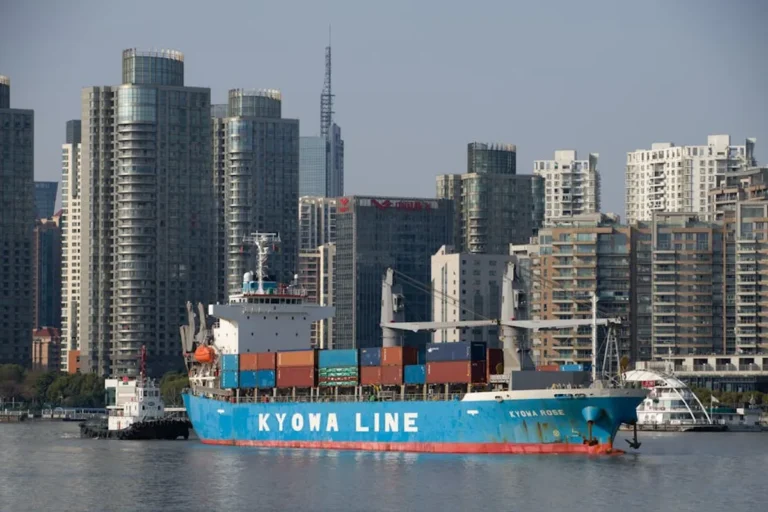
- Ocean Freight: Full Container Load (FCL) for large volumes or Less than Container Load (LCL) for smaller shipments. Evaluate their port coverage, particularly at major hubs like Shanghai, Ningbo, Shenzhen, and Guangzhou.
- Air Freight: Speed-critical shipments. Assess their access to major international airports (e.g., Shanghai Pudong, Beijing Capital, Guangzhou Baiyun) and direct airline partnerships.
- Rail Freight: A growing option for overland routes between China and Europe, offering a balance of cost and speed between ocean and air.
- Multimodal Transport: The ability to combine different modes for optimized routes and cost-efficiency.
Beyond basic transport, inquire about value-added services. This includes warehousing, consolidation, deconsolidation, labeling, packing, and distribution within China or at the destination. If your goods are specialized (e.g., hazardous materials, oversized cargo, temperature-controlled perishables), the forwarder must demonstrate specific experience and certification for handling such items, including relevant permits and equipment.
Geographic Reach and Network Strength
An effective freight forwarder in China requires a robust network both domestically and internationally. Domestically, assess their presence and operational capabilities in your specific sourcing or manufacturing regions within China, including inland cities. This ensures efficient pickup and transport to primary export hubs. Internationally, their network should extend to your destination markets, featuring established agent relationships or owned offices that can manage customs clearance and last-mile delivery seamlessly. A strong network minimizes reliance on third parties, which can introduce additional points of failure and communication delays.
Operational Effectiveness and Transparency
Communication Protocols and Responsiveness
Clear, consistent, and timely communication is critical for managing international logistics. Evaluate the forwarder's communication channels, response times, and language capabilities. A dedicated account manager who understands your business and specific requirements is beneficial. Inquire about their process for providing updates on shipment status, handling exceptions (e.g., delays, customs issues), and resolving queries. Proactive communication about potential issues allows for quicker mitigation and reduces uncertainty.
Technology Integration and Visibility
Modern freight forwarding relies heavily on technology for efficiency and transparency. Assess their tracking systems: can you access real-time status updates online? Do they offer API or EDI integration for seamless data exchange with your internal systems? Digital platforms that provide shipment dashboards, documentation access, and automated notifications enhance visibility and reduce manual administrative burdens. This level of technological integration is crucial for proactive supply chain management and informed decision-making.
Cost Structure and Quotation Clarity
Obtain detailed, itemized quotes that clearly break down all charges. Be wary of quotes that appear significantly lower than competitors without clear justification, as they may omit hidden fees. Standard charges typically include freight (ocean/air), terminal handling, customs clearance, documentation fees, and fuel surcharges. Inquire about potential additional costs such as demurrage (charges for containers held at port beyond free time), detention (charges for containers held outside port beyond free time), and any specific surcharges related to your cargo type or route. A transparent cost structure prevents unexpected expenses and allows for accurate budgeting.
Pro Tip: Always scrutinize the Incoterms (International Commercial Terms) specified in your contracts with both your supplier and your freight forwarder. Misunderstanding Incoterms can shift responsibility for costs, risks, and insurance coverage in unexpected ways, potentially leading to disputes or significant financial liabilities. Ensure consistency across all parties involved in the transaction.
Due Diligence and Vendor Vetting
Reputation and References
Beyond self-reported capabilities, a forwarder's reputation provides critical insight. Seek references from current or past clients, preferably businesses with similar shipping profiles to yours. Inquire about their experience with the forwarder's reliability, problem-solving abilities, and adherence to service level agreements. Industry associations, online forums, and professional networks can also offer insights into a forwarder's standing and service quality. A strong reputation often indicates consistent performance and ethical business practices.
Insurance and Liability Coverage
Understand the forwarder's liability limits and cargo insurance options. While forwarders typically carry basic liability insurance, it often provides limited coverage based on weight or package count, which may be insufficient for high-value goods. Discuss options for purchasing additional cargo insurance to protect your shipments against loss or damage during transit. Clarify the claims process, required documentation, and typical resolution timelines. Adequate insurance coverage is a non-negotiable safeguard for your commercial interests.
Securing Your Supply Chain: Final Steps
After evaluating potential freight forwarders based on their core competencies, operational effectiveness, and market reputation, the final selection process involves a structured approach. Request detailed proposals from your top candidates, outlining their proposed solutions, service level agreements (SLAs), and pricing. Conduct interviews to assess their understanding of your specific needs and their problem-solving approach. Negotiate contract terms carefully, ensuring all agreed-upon services, performance metrics, and dispute resolution mechanisms are clearly documented. Establishing a robust partnership from the outset, characterized by clear expectations and open communication, is fundamental to long-term success in managing your Chinese supply chain.
Frequently Asked Questions
What is the difference between a freight forwarder and a carrier?
A carrier (like an airline or shipping line) owns and operates the actual transport vehicles (ships, planes, trucks). A freight forwarder acts as an intermediary, organizing and managing the shipment on behalf of the shipper, often utilizing multiple carriers and handling logistics like customs, documentation, and warehousing.
How important is local presence in China for a freight forwarder?
A strong local presence, either through owned offices or reliable agents, is highly important. It ensures better communication with suppliers, faster problem resolution on the ground, and a deeper understanding of local customs regulations and business practices, which can significantly reduce delays and errors.
What key documents should I expect a freight forwarder to handle?
A freight forwarder typically handles a range of documents, including the Bill of Lading (B/L) or Air Waybill (AWB), commercial invoice, packing list, customs declaration forms, certificates of origin, and any necessary permits or licenses for specific goods.
How can I verify a freight forwarder's legitimacy in China?
You can request their NVOCC registration number and cross-reference it with the Ministry of Transport of the People's Republic of China's database. Additionally, check their business registration through official Chinese company registries, and seek independent client references.