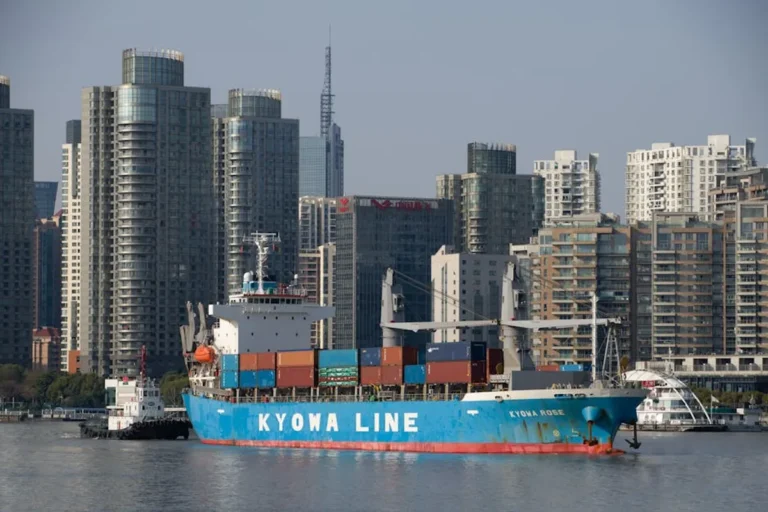

International shipping presents a significant opportunity for market expansion, but it also introduces complex cost variables that can erode profit margins if not managed effectively. Businesses often face a trade-off between speed, reliability, and expense when moving goods across borders. Understanding and actively managing these costs is not merely about finding the cheapest rate; it involves a strategic approach to logistics, documentation, and carrier relationships to ensure competitive pricing without compromising service quality or delivery timelines. The goal is to identify efficiencies at every stage of the shipping process, from packaging to final delivery, to reduce the overall landed cost of goods for international customers.
Optimizing Packaging and Weight
Shipping costs are heavily influenced by both the physical weight and the dimensional weight of a package. Overlooking either can lead to unnecessary expenses.
Lightweighting Strategies
Reducing the actual weight of a shipment directly impacts base freight charges. This can involve re-evaluating product packaging materials, opting for lighter alternatives where feasible, or minimizing void fill. For instance, replacing heavy cardboard inserts with lightweight foam or air pillows can shave ounces, which accumulate into significant savings over high volumes. Custom-sized boxes that precisely fit products also eliminate wasted space and material, further reducing both weight and dimensional footprint. Every gram reduction contributes to lower fuel surcharges and base rates, especially for air freight.
Dimensional Weight Considerations
Carriers charge based on the greater of either the package's actual weight or its dimensional weight. Dimensional weight, calculated using a formula (e.g., Length x Width x Height / Dimensional Factor), accounts for the space a package occupies on a vehicle. To mitigate dimensional weight charges, businesses should:
- Use the smallest possible packaging that adequately protects the product.
- Consolidate multiple small items into a single, appropriately sized box rather than shipping them individually.
- Design packaging that minimizes empty space, reducing the overall cubic volume.
- Avoid irregular shapes that can lead to additional handling surcharges.
Best for: Businesses shipping high-volume, relatively lightweight products where packaging efficiency directly impacts profitability.
Carrier Selection and Negotiation
Choosing the right carrier and negotiating favorable terms are critical components of cost reduction.
Comparing Service Levels and Rates
Different carriers excel in different lanes, service types, and price points. It's essential to obtain quotes from multiple providers (e.g., postal services, express couriers, freight forwarders) for each common shipping route. Consider the balance between transit time, tracking capabilities, insurance options, and cost. For urgent shipments, express carriers are necessary, but for less time-sensitive deliveries, economy services or even sea freight can offer substantial savings. Analyze each carrier's fee structure, including fuel surcharges, remote area delivery fees, and customs brokerage charges, as these can significantly inflate the quoted base rate.
Leveraging Volume Discounts
As shipment volumes increase, so does the potential for negotiating better rates. Consolidate shipping with one or two primary carriers to build leverage. Present historical shipping data, including volume, weight, and destination breakdown, to demonstrate your business's value to potential carriers. Negotiate not just on base rates but also on surcharges, minimum charges, and accessorial fees. Long-term contracts with guaranteed volumes often unlock the deepest discounts. Even for smaller businesses, joining a shipping consortium or using a third-party logistics (3PL) provider that aggregates volume can provide access to preferred rates.
Customs, Duties, and Documentation
Incorrect or incomplete customs documentation is a common cause of delays, fines, and unexpected costs.
Accurate Harmonized System (HS) Codes
Every product shipped internationally requires an HS code, a standardized numerical classification used by customs authorities worldwide. Incorrect HS codes can lead to miscalculated duties, fines, and shipment delays. Businesses must accurately classify their products to ensure proper duty assessment and compliance. Using a customs broker or specialized software can help ensure correct classification, minimizing the risk of unexpected charges or hold-ups at the border.
Understanding Incoterms
Incoterms (International Commercial Terms) define the responsibilities of buyers and sellers for the delivery of goods under sales contracts, including who pays for and manages the shipment, insurance, and customs duties. Choosing the appropriate Incoterm (e.g., DAP - Delivered at Place, DDP - Delivered Duty Paid, EXW - Ex Works) is crucial for managing costs and customer expectations. For example, DDP places all responsibility and cost on the seller, ensuring the customer receives goods without additional charges, but this requires the seller to accurately calculate and prepay duties. DAP, conversely, means the buyer handles import duties and taxes upon arrival. Clearly defining these terms avoids disputes and ensures cost transparency.
Pro Tip: Never under-declare the value of goods on customs forms to save on duties. This practice is illegal, can result in severe fines, seizure of goods, and damage to your business's reputation with customs authorities, ultimately leading to higher long-term costs and compliance issues.
Consolidation and Fulfillment Strategies
Strategic approaches to how goods are grouped and stored can yield significant cost reductions.
Freight Consolidation
For businesses shipping multiple smaller packages to the same region or country, freight consolidation can dramatically reduce per-unit shipping costs. Instead of sending several individual parcels, these items are combined into a single, larger shipment (e.g., on a pallet or in a container) to a central distribution point, then broken down for local delivery. This reduces the number of individual customs clearances and benefits from more favorable bulk freight rates. This strategy is particularly effective for businesses with consistent order volumes to specific international markets.
Localized Fulfillment Centers
Establishing or partnering with localized fulfillment centers in key international markets can eliminate the need for individual international shipments from your primary location. Goods are shipped in bulk to these centers, then distributed locally. This approach transforms international shipping into domestic shipping for the final leg, significantly reducing transit times, last-mile costs, and customs complexities. It also improves customer experience by offering faster delivery and potentially lower shipping fees. While it requires an upfront investment or partnership, the long-term savings and customer satisfaction benefits can be substantial. This approach transforms international shipping into domestic shipping for the final leg, significantly reducing transit times, understanding what last-mile delivery is, and customs complexities.
Technology and Automation
Leveraging technology streamlines processes, reduces errors, and provides data-driven insights for cost optimization.
Shipping Management Software
Shipping management software automates label generation, customs documentation, and rate shopping across multiple carriers. These platforms often integrate directly with e-commerce platforms and inventory management systems, reducing manual data entry errors and saving time. Many offer real-time rate comparisons, allowing businesses to select the most cost-effective option for each shipment based on service level, destination, and package characteristics. The ability to quickly compare rates and print compliant labels minimizes operational overhead.
API Integrations for Real-time Rates
Integrating carrier APIs (Application Programming Interfaces) directly into your e-commerce platform allows customers to see real-time shipping costs at checkout. This transparency helps manage customer expectations and can reduce cart abandonment due to unexpected shipping fees. For businesses, these integrations provide accurate, up-to-the-minute rate information, helping to avoid undercharging or overcharging for shipping, which impacts profitability or customer satisfaction.
Practical Cost Reduction Actions
Reducing international shipping costs requires ongoing attention and strategic adjustments. Start by auditing your current shipping processes to identify bottlenecks and areas of inefficiency. Regularly review carrier contracts and re-negotiate terms, especially as your shipping volume changes. Stay informed about changes in international trade regulations, customs duties, and Incoterms, as these can impact your cost structure. Implement technology that automates rate shopping and documentation to minimize manual errors and optimize carrier selection. Finally, solicit customer feedback on shipping options and costs to ensure your strategies align with market expectations and competitive pricing.
Frequently Asked Questions
How do dimensional weight charges work?
Dimensional weight is a pricing technique used by shipping carriers to ensure they are compensated for the space a package occupies on a vehicle, in addition to its actual weight. It's calculated by multiplying the package's length, width, and height, then dividing by a carrier-specific dimensional factor. You are charged based on the greater of the actual weight or the calculated dimensional weight.
What are Incoterms and why are they important for cost?
Incoterms are internationally recognized rules that define the responsibilities of sellers and buyers for the delivery of goods under sales contracts. They specify who is responsible for paying and managing the shipment, insurance, and customs duties at various points in the shipping process. Choosing the correct Incoterm is crucial because it dictates which party bears specific costs and risks, directly impacting the final landed cost of goods and avoiding unexpected expenses or disputes.
Can using a 3PL save on international shipping costs?
Yes, often a 3PL (Third-Party Logistics provider) can help reduce international shipping costs. 3PLs aggregate shipping volumes from multiple clients, allowing them to negotiate significantly better rates with carriers than individual businesses might achieve. They also offer expertise in customs compliance, documentation, and can provide access to localized fulfillment centers, streamlining the international shipping process and reducing overall expenses.
Is it always cheaper to ship by sea than by air for international orders?
Generally, sea freight is significantly cheaper than air freight for international shipments, especially for large, heavy, or non-urgent goods. However, sea freight has much longer transit times. Air freight is faster but more expensive. The cost-effectiveness depends on the urgency of the delivery, the size and weight of the shipment, and the specific route. For very small, lightweight, and urgent parcels, air express might be the only viable option, despite the higher cost.