Businesses importing goods from China face a fundamental logistics decision: air freight or sea freight. This choice directly impacts landed cost, delivery timelines, inventory management, and customer satisfaction. Understanding the precise trade-offs between these two primary shipping methods is critical for optimizing supply chains and maintaining competitive advantage.
Cost Implications: Air vs. Sea Freight
The financial impact of air and sea freight diverges significantly, primarily driven by volume, weight, and urgency. Sea freight generally offers a lower per-unit cost for large volumes, while air freight commands a premium for speed.
Sea Freight Costs: Calculated based on cubic meters (CBM) for Less than Container Load (LCL) or per container (20ft, 40ft, 40ft HQ) for Full Container Load (FCL). Beyond the base freight rate, sea shipments incur numerous surcharges, including Terminal Handling Charges (THC) at both origin and destination, Bunkering Adjustment Factor (BAF), Currency Adjustment Factor (CAF), documentation fees, customs clearance, and local drayage. These surcharges can collectively add substantial costs, often exceeding the base freight rate.
Air Freight Costs: Determined by chargeable weight, which is the greater of the actual gross weight or the volumetric weight (calculated using a dimensional weight factor, typically 1:6000 for kilograms per cubic meter). Air freight rates are significantly higher per kilogram than sea freight, making it uneconomical for heavy, bulky, or low-value goods. However, for smaller, lighter, or high-value items, the total cost difference might narrow when considering reduced warehousing costs, lower insurance premiums due to shorter transit, and faster inventory turnover.
- Factors influencing total cost:
- Product value per unit weight/volume
- Urgency of delivery
- Inventory holding costs
- Customs duties and taxes (often higher for faster delivery methods due to perceived value)
- Insurance premiums (can be lower for air freight due to reduced risk exposure time)
- Warehousing and distribution costs at destination
Transit Times and Urgency
Speed is the most apparent differentiator. Air freight drastically reduces transit times, a crucial factor for time-sensitive goods or rapid market entry.
Air Freight Transit: Typically ranges from 3 to 10 days, door-to-door, depending on the origin/destination airports, direct flight availability, and customs clearance efficiency. This includes time for cargo consolidation, flight time, de-consolidation, and final delivery. Express air freight services can reduce this further, sometimes to 1-3 days for port-to-port, but at a higher cost.
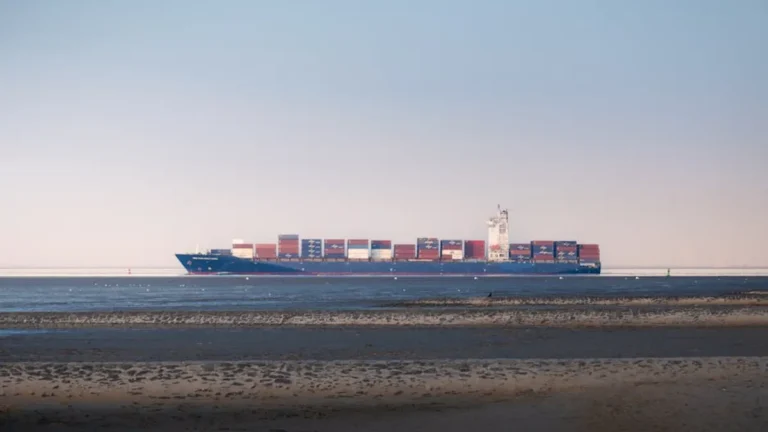
Sea Freight Transit: Varies widely, generally taking 20 to 45 days for port-to-port shipments from major Chinese ports to destinations in North America or Europe. This does not account for pre-carriage to the origin port, vessel loading times, potential transshipments, port congestion, customs clearance, or final delivery. The total door-to-door time can easily extend to 30-60 days or more, especially for LCL shipments which require additional consolidation and de-consolidation time.
Pro Tip: When evaluating transit times, always request door-to-door estimates from your forwarder. Port-to-port times neglect crucial pre-carriage, customs, and last-mile delivery stages that significantly impact total lead time and inventory planning.
Cargo Type, Volume, and Capacity
The nature of the goods and the volume being shipped often dictate the most suitable freight method.
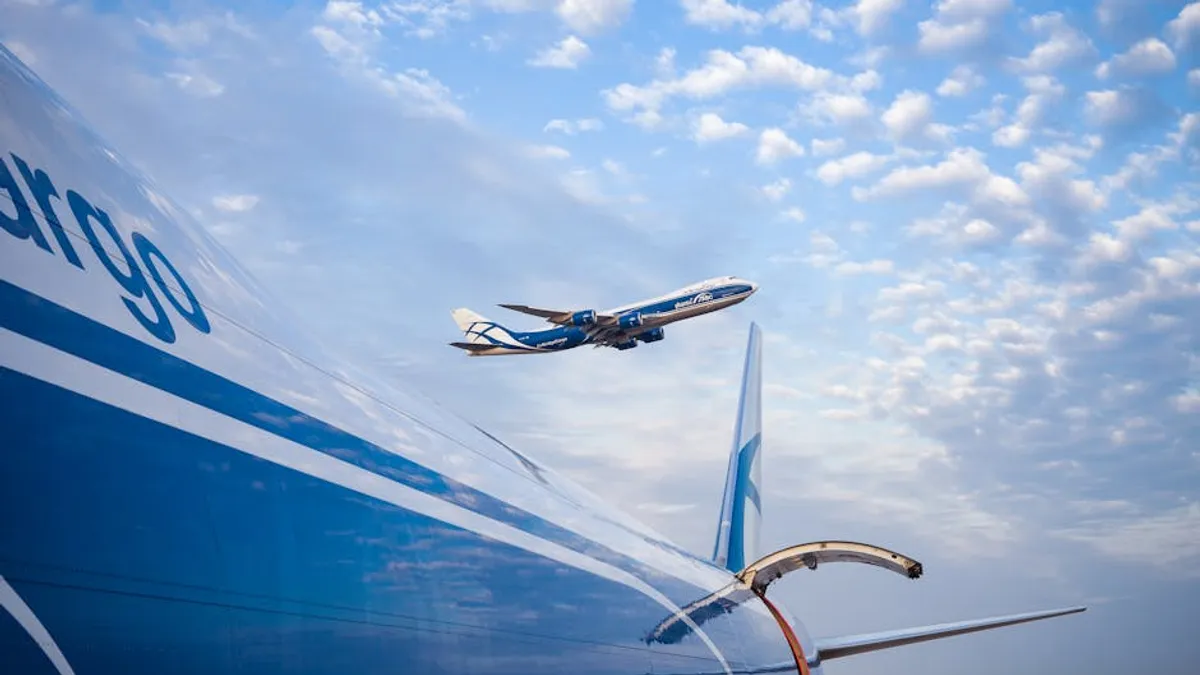
Air Freight Suitability: Ideal for high-value, low-volume, time-sensitive, or perishable goods. Examples include electronics, pharmaceuticals, fashion apparel, samples, and urgent components. Aircraft cargo holds have strict limitations on size, weight, and hazardous materials. Large, bulky, or heavy items are typically not feasible or become prohibitively expensive via air.
Sea Freight Suitability: Best for large volumes, heavy goods, bulk commodities, and non-time-critical shipments. This encompasses raw materials, machinery, furniture, textiles, and consumer goods. Sea vessels offer vast capacity, accommodating standard containers (20ft, 40ft, 40ft HQ) and specialized containers for oversized or temperature-controlled cargo. The sheer volume capacity makes sea freight the backbone of global trade for most manufactured goods.
Reliability, Security, and Risk
Both modes have inherent risks and varying levels of reliability, influenced by external factors.
Air Freight Reliability: Generally highly reliable in terms of schedule adherence, though subject to disruptions from severe weather, air traffic control issues, or airline operational problems. Security protocols at airports are stringent, reducing the risk of theft or tampering during transit. The shorter transit time inherently reduces the window for potential damage or loss.
Sea Freight Reliability: Can be less predictable due to port congestion, customs delays, adverse weather conditions at sea, and potential transshipment delays. While modern containerization offers good security, cargo is exposed for longer periods. The risk of damage from rough seas, improper stowage, or container handling is present, making robust packaging and cargo insurance essential. Piracy, though localized, remains a consideration on certain routes.
Environmental Considerations
The environmental footprint of each freight method is increasingly a factor in logistics decisions for companies committed to sustainability.
Air Freight Environmental Impact: Has a significantly higher carbon footprint per ton-mile compared to sea freight. Aircraft consume substantial amounts of jet fuel, releasing greenhouse gases and other pollutants at high altitudes. For businesses prioritizing reduced emissions, air freight is often a less sustainable choice for routine shipments.
Sea Freight Environmental Impact: While still a source of emissions, sea freight is considerably more fuel-efficient and produces fewer greenhouse gas emissions per ton-mile than air freight. Larger vessels carrying massive volumes benefit from economies of scale, making them the most carbon-efficient mode for long-distance bulk transport. Ongoing industry efforts focus on cleaner fuels and more efficient vessel designs to further reduce environmental impact.
Making the Right Logistics Decision
The optimal choice between air and sea freight is rarely static. It depends on a dynamic assessment of specific business needs, product characteristics, and market demands. Consider these questions:
- Is the product high-value, perishable, or urgently needed? (Favor air)
- Is the product bulky, heavy, or low-value, allowing for longer lead times? (Favor sea)
- What are the total landed costs, including freight, duties, insurance, and inventory holding?
- What is the acceptable lead time for your customers and supply chain?
- Are there specific regulatory or hazardous material restrictions for either mode?
- What is your company's stance on environmental impact and sustainability?
- Do you have sufficient inventory buffers to absorb potential sea freight delays?
For many businesses, a hybrid approach combining both methods for different product lines or specific situations often yields the most balanced and resilient supply chain.
Frequently Asked Questions
Which is generally cheaper, air freight or sea freight from China?
Sea freight is almost always cheaper for shipments over approximately 150-200 kg or 1-2 CBM, especially for non-urgent, high-volume goods. Air freight becomes prohibitively expensive for larger or heavier shipments.
What is the typical transit time difference between air and sea freight?
Air freight typically delivers within 3-10 days door-to-door from China, while sea freight usually takes 20-60 days door-to-door, depending on the route and service type.
When should I choose air freight over sea freight?
Choose air freight for urgent shipments, high-value goods where reduced inventory holding costs outweigh higher freight costs, perishable items, samples, or when rapid market entry is critical.
Can I combine air and sea freight for a single shipment?
While not for a single shipment of identical goods, businesses often use a "sea-air" combination for distinct parts of their supply chain. For instance, components might ship by sea, then finished products by air, or vice versa, to optimize different stages of the logistics process.