Global businesses seeking to leverage China's vast manufacturing capabilities or penetrate its immense consumer market face a critical decision: how to effectively manage their logistics. The country's unique regulatory environment, diverse geographical challenges, and rapidly evolving infrastructure demand a strategic approach to supply chain management. This guide outlines the essential considerations for businesses aiming to establish or optimize their logistics operations within China, focusing on practical insights for efficient, compliant, and cost-effective movement of goods. This guide outlines the essential considerations for businesses aiming to establish or optimize their logistics operations within China, including choosing a reliable logistics partner for efficient, compliant, and cost-effective movement of goods.
Navigating China's Complex Logistics Environment
China's logistics sector is characterized by its scale, speed of development, and inherent complexities. Businesses must contend with a fragmented network of service providers, varying levels of infrastructure quality across regions, and a dynamic regulatory framework. Understanding these foundational elements is crucial before committing to any long-term logistics strategy.
Key Challenges for Global Businesses
- Customs and Compliance: Strict import/export regulations, evolving tariff structures, and intricate documentation requirements can lead to delays and penalties if not meticulously managed.
- Infrastructure Variability: While major coastal cities boast world-class infrastructure, inland regions may present challenges with road networks, warehousing, and last-mile delivery capabilities.
- Geographical Scale: The sheer size of China necessitates robust domestic distribution networks, often involving multiple modes of transport and transshipment points.
- Regulatory Changes: Policies related to e-commerce, cross-border trade, and environmental standards are frequently updated, requiring continuous monitoring and adaptation.
- Technology Integration: Disparate systems among logistics partners can hinder real-time visibility and data exchange, impacting supply chain efficiency.
Understanding China's Logistics Landscape and Service Providers
The Chinese logistics market offers a spectrum of service providers, each with distinct capabilities. Identifying the right partner depends on specific business needs, cargo types, and desired service levels.
Types of Logistics Providers
Third-Party Logistics (3PL) Providers: These companies offer integrated services including transportation, warehousing, cross-docking, inventory management, packaging, and freight forwarding. Many international 3PLs operate in China, alongside a growing number of domestic giants. Their value lies in their ability to manage operational complexities and offer scalable solutions.
Fourth-Party Logistics (4PL) Providers: Acting as a supply chain integrator, a 4PL manages the entire logistics process, often overseeing multiple 3PLs and other service providers. They offer strategic oversight and optimization, focusing on end-to-end supply chain efficiency rather than just operational execution.
Freight Forwarders: Essential for international shipments, freight forwarders handle the coordination and shipment of goods from origin to destination, managing customs clearance, documentation, and carrier selection across various modes (air, sea, rail). Many specialize in specific routes or cargo types.
Key Transportation Modes
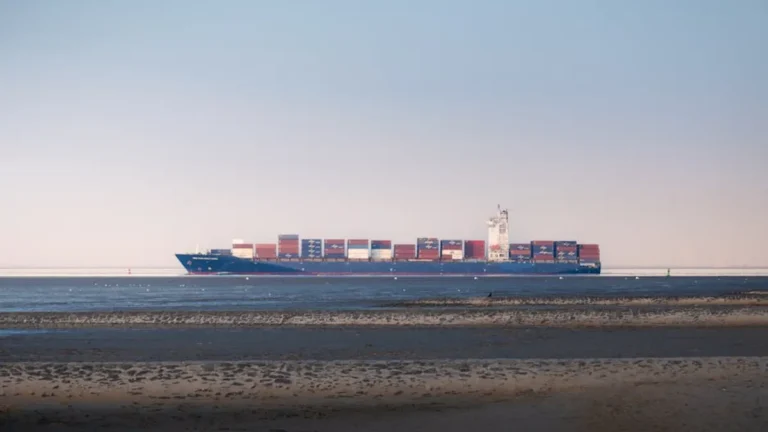
Ocean Freight: The most common and cost-effective mode for large volume international shipments. Major ports like Shanghai, Ningbo-Zhoushan, Shenzhen, and Guangzhou are global hubs.
Air Freight: Ideal for high-value, time-sensitive goods. Major international airports include Shanghai Pudong, Beijing Capital, and Guangzhou Baiyun.
Rail Freight: The Belt and Road Initiative has significantly expanded rail links between China and Europe, offering a faster alternative to sea freight and a more economical option than air freight for certain routes.
Road Freight: Critical for domestic distribution and last-mile delivery, though road quality and traffic congestion can vary significantly by region.
Customs Compliance and Free Trade Zones
Navigating Chinese customs is a significant hurdle. Accurate documentation, correct tariff classification, and adherence to specific import/export licenses are paramount to avoid delays, fines, or cargo seizure.
Pro Tip: Engage a local customs broker or a logistics partner with proven expertise in Chinese customs regulations. They can provide up-to-date information on HS codes, duty rates, and required certifications (e.g., CCC certification for certain products) and help preempt potential issues.
Free Trade Zones (FTZs): China operates numerous FTZs (e.g., Shanghai, Tianjin, Guangdong) that offer preferential policies for international trade. Benefits can include deferred customs duties, simplified customs procedures, and bonded warehousing, which allows goods to be stored, processed, or assembled without immediate payment of tariffs. Utilizing FTZs can significantly improve cash flow and operational flexibility for businesses engaged in re-export or value-added processing.
Supply Chain Optimization and Technology Adoption
Optimizing logistics in China involves more than just selecting carriers; it requires an integrated approach to inventory, warehousing, and data management.
Inventory Management: Strategic placement of inventory in regional distribution centers (RDCs) can reduce lead times and improve delivery speed, especially for e-commerce operations. Consider demand forecasting tools tailored to the Chinese market's unique consumption patterns.
Last-Mile Delivery: The efficiency of last-mile delivery is critical for customer satisfaction. Partnering with local express delivery companies that have extensive networks and strong local knowledge is often more effective than attempting to build an in-house solution.
Technology Integration: Implementing robust Warehouse Management Systems (WMS) and Transportation Management Systems (TMS) is crucial for real-time visibility and control. Furthermore, integrating these systems with e-commerce platforms and Enterprise Resource Planning (ERP) systems ensures seamless data flow across the supply chain. Data analytics can provide insights into performance, identify bottlenecks, and inform strategic decisions.
Selecting the Right Logistics Partner in China
The success of your China logistics strategy largely hinges on your choice of partner. Due diligence is essential.
When evaluating potential partners, consider the following:
- Local Expertise and Network: Does the partner have a deep understanding of Chinese regulations, culture, and an extensive domestic network, especially in your target regions?
- Compliance Record: Verify their track record with customs, safety, and environmental regulations. A strong compliance history minimizes risk.
- Technology Capabilities: Assess their WMS, TMS, and data integration capabilities. Can they provide real-time tracking and reporting that integrates with your systems?
- Scalability and Flexibility: Can they adapt to your business growth and seasonal fluctuations without compromising service quality?
- Specialized Services: If you handle specific cargo (e.g., cold chain, hazardous materials), ensure the partner has proven experience and certifications for those requirements.
- Communication and Transparency: Clear communication channels and transparent reporting are vital for managing expectations and resolving issues promptly.
Actionable Steps for China Logistics Success
Successfully navigating China's logistics landscape requires continuous effort and adaptation. Begin by conducting a thorough analysis of your specific supply chain needs and the regulatory environment relevant to your products. Prioritize building relationships with experienced local partners who can offer both operational execution and strategic guidance. Invest in technology that provides visibility and control, and maintain flexibility in your strategy to adapt to market changes. Proactive planning, robust compliance, and strategic partnerships are the cornerstones of efficient and effective logistics operations in China.
Frequently Asked Questions
What is the typical lead time for ocean freight from China to Europe/North America?
Ocean freight lead times vary significantly based on the specific ports, shipping lines, and service types (e.g., FCL vs. LCL), generally ranging from 20 to 45 days. Weather conditions, port congestion, and customs clearance can also impact these timelines.
How can businesses mitigate risks associated with customs clearance in China?
Mitigate risks by ensuring all documentation is accurate and complete, correctly classifying goods with appropriate HS codes, and proactively obtaining necessary licenses and certifications. Partnering with an experienced local customs broker is highly recommended to navigate complexities and stay updated on regulatory changes.
Is it better to use a single logistics provider or multiple providers in China?
The choice depends on your scale and complexity. A single, integrated 3PL or 4PL can offer streamlined management and consolidated reporting for simpler operations. Larger businesses with diverse needs across different regions or product lines might benefit from a network of specialized providers managed by a lead logistics partner to leverage specific expertise and optimize regional distribution.
What role do Free Trade Zones (FTZs) play in optimizing China logistics?
FTZs offer significant advantages such as deferred import duties, simplified customs procedures, and bonded warehousing. This allows goods to be stored, processed, or assembled without immediate tariff payment, improving cash flow and operational flexibility for re-export or value-added activities before entering the domestic market.