Importing goods from China presents a significant opportunity for businesses to optimize costs and access diverse manufacturing capabilities. However, the process is complex, fraught with potential missteps that can erode profitability, delay market entry, and damage brand reputation. Navigating cultural differences, regulatory landscapes, and quality control challenges requires meticulous planning and a proactive approach. Understanding and actively avoiding common pitfalls is critical for establishing a sustainable and successful import operation. Success hinges on understanding and actively avoiding common pitfalls, including navigating the complexities of international shipping.
Sourcing and Supplier Vetting Missteps
The foundation of successful importing rests on selecting the right supplier. Errors here propagate throughout the entire supply chain.
Overlooking Due Diligence
Many businesses rush into agreements based on initial quotes, neglecting to verify a supplier's legitimacy and capabilities. This often results in dealing with trading companies masquerading as factories, or manufacturers lacking the necessary production capacity or quality control systems. Thorough due diligence involves more than just reviewing a company's online profile; it requires verifying business licenses, assessing factory audit reports (from reputable third parties), checking references from other international buyers, and evaluating production capacity against your projected order volumes. The cost of a comprehensive audit or a third-party verification service is minimal compared to the financial losses and reputational damage from a fraudulent or incompetent supplier.
Relying Solely on Online Directories
Platforms like Alibaba or Global Sources are valuable starting points for discovery, but they are not a substitute for independent validation. Suppliers listed on these sites vary widely in reliability and operational sophistication. A common mistake is to assume a "gold supplier" badge guarantees quality or ethical practices. Instead, use these directories to identify potential partners, then initiate independent verification steps. This includes requesting detailed product samples, conducting video calls to tour facilities, and, ideally, arranging an in-person factory visit or engaging a trusted local agent to do so.
Product Quality and Specification Errors
Defining and maintaining product quality is paramount. Ambiguity in this area leads directly to costly disputes and unsellable goods.
Vague Product Specifications
A frequent error is providing generalized product descriptions like "good quality" or "standard finish." Such subjective terms are open to interpretation and almost guarantee discrepancies between expectations and delivery. Instead, provide precise, measurable specifications. This includes detailed technical drawings, material composition breakdowns (e.g., "304 stainless steel," "ABS plastic with UV stabilizer"), specific tolerance ranges for dimensions, color codes (Pantone, RAL), performance standards (e.g., "meets ASTM F963 for toy safety," "IP67 waterproof rating"), and approved pre-production samples. Any deviation from these documented standards should trigger a clear corrective action process.
Skipping Pre-Shipment Inspections
Businesses often forgo independent quality inspections to save on perceived costs, trusting the supplier's assurance that goods meet specifications. This is a high-risk gamble. Products might appear correct at the factory but contain hidden defects, incorrect components, or fail to meet regulatory standards. Engaging a third-party inspection service for pre-shipment inspection (PSI) or even during production (DPI - During Production Inspection) can identify issues when they are still rectifiable, preventing the costly scenario of receiving a container full of unsellable inventory. Inspectors verify quantities, packaging, labeling, and conduct on-site tests according to your agreed-upon specifications.
Navigating Logistics and Compliance Challenges
The journey from factory floor to your warehouse involves complex international shipping and regulatory hurdles.
Underestimating Shipping Complexities
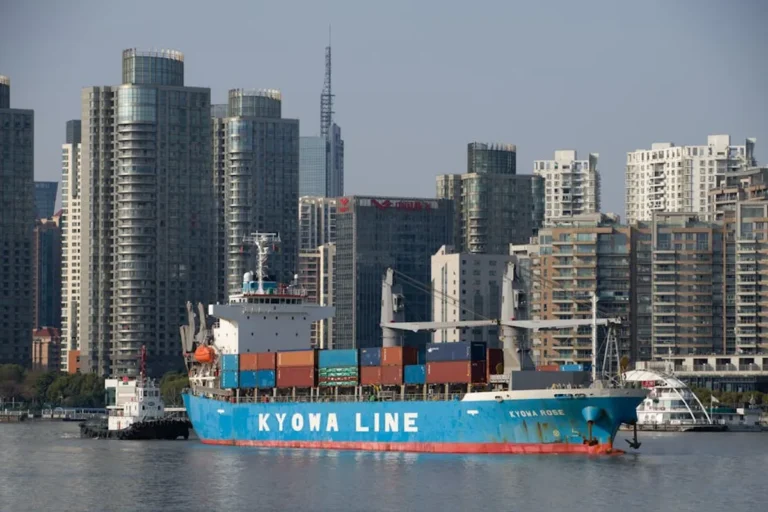
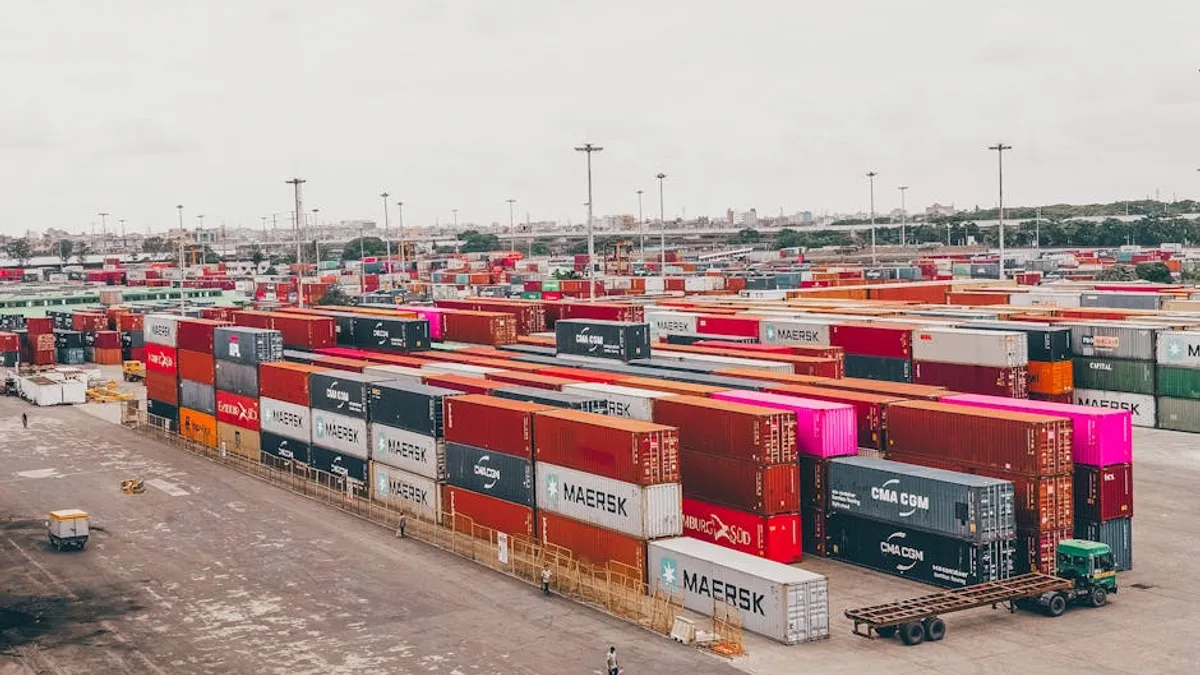
Many importers fail to grasp the intricacies of international freight, leading to unexpected costs and delays. A common mistake is misunderstanding Incoterms (International Commercial Terms), which define who is responsible for shipping costs, insurance, and risk at various points in the journey. For example, selecting EXW (Ex Works) places maximum responsibility on the buyer, including arranging transport from the factory, while DDP (Delivered Duty Paid) places it on the seller. Not factoring in port congestion, customs clearance procedures, or the need for reliable freight forwarders can result in demurrage charges, missed deadlines, and damaged goods. It is crucial to work with experienced freight forwarders who can advise on optimal routes, modes of transport (sea vs. air, FCL vs. LCL), and manage documentation.
Ignoring Import Regulations and Duties
Failure to research and comply with import regulations in the destination country can lead to goods being held at customs, incurring fines, or even seizure. This includes not correctly identifying Harmonized System (HS) codes for accurate duty assessment, overlooking anti-dumping duties on specific product categories, or neglecting necessary product certifications (e.g., CE marking for Europe, FCC for the US, RoHS compliance). Every country has specific labeling, safety, and environmental standards that must be met. Proactively consulting with customs brokers and trade compliance experts before placing an order is essential to avoid costly non-compliance issues.
Pro Tip: Always secure a detailed, legally binding contract that explicitly covers quality standards, payment terms, delivery schedules, intellectual property rights, and dispute resolution mechanisms. A simple Purchase Order is insufficient for complex international transactions. Ensure the contract is understood and agreed upon by both parties, ideally with translations reviewed by legal counsel familiar with both jurisdictions.
Payment and Contractual Pitfalls
Financial transactions and legal agreements are areas where errors can have immediate and severe consequences.
Inadequate Payment Terms
Agreeing to unfavorable payment terms, such as large upfront deposits (e.g., 50% or more) without clear production milestones, exposes importers to significant risk. If the supplier underperforms or fails to deliver, recovering a substantial upfront payment can be challenging. Structure payments to mitigate risk: a smaller deposit (e.g., 10-30%) to start production, a payment upon completion of a significant production milestone (e.g., 50% completion, verified by inspection), and the final balance upon successful pre-shipment inspection and before loading. Utilizing secure payment methods like Letters of Credit (LCs) or escrow services can provide additional protection, though they come with their own costs and complexities.
Neglecting Comprehensive Contracts
Many importers rely on informal agreements or basic purchase orders, which offer minimal legal protection. A comprehensive contract, drafted by legal professionals familiar with international trade law, is indispensable. This contract should clearly define product specifications, quality control procedures, intellectual property ownership, delivery timelines, payment schedules, warranty terms, and a clear process for dispute resolution (e.g., arbitration in a neutral jurisdiction). Without a robust contract, resolving issues like defective goods, delayed shipments, or intellectual property infringement becomes significantly more difficult and costly.
Communication and Cultural Barriers
Effective communication bridges the gap between expectations and reality in international trade.
Assuming Shared Understanding
Language barriers extend beyond vocabulary; they encompass cultural nuances, communication styles, and business etiquette. A common mistake is assuming that direct translation equals clear communication. Chinese business culture, for instance, often prioritizes harmony and indirect communication, which can lead to misunderstandings if not recognized. Confirming understanding through rephrasing, using visual aids, and maintaining concise, unambiguous written communication is vital. Avoid jargon and slang, and be patient with responses that may take longer due to translation or internal consultation.
Not Building Relationships
Transactional relationships, focused solely on price and immediate delivery, often yield less favorable outcomes than those built on trust and mutual respect. In Chinese business culture, "Guanxi" (relationships) plays a significant role. Neglecting to foster a long-term relationship with suppliers can result in less flexibility during production issues, slower responses, or being deprioritized during peak times. Regular, respectful communication, occasional visits (if feasible), and demonstrating loyalty can lead to better pricing, preferential treatment, and a more reliable supply chain over time.
Strengthening Your Import Process
Successful importing from China is not about avoiding all problems, but about minimizing risks and building resilience. This involves continuous learning, adapting to market changes, and investing in robust processes. Prioritize thorough supplier vetting, establish clear and measurable product specifications, and engage third-party quality control and logistics experts. Understand and adhere strictly to all import regulations and duties. Secure every transaction with comprehensive legal contracts and structure payment terms to protect your investment. Finally, cultivate strong, clear communication channels and foster respectful, long-term relationships with your partners. Proactive risk management and diligent execution are the cornerstones of a profitable and sustainable import strategy. This involves continuous learning, adapting to market changes, and investing in robust processes, such as understanding freight forwarding options.
Frequently Asked Questions
What are Incoterms and why are they important for importing from China?
Incoterms (International Commercial Terms) are a set of globally recognized rules that define the responsibilities of sellers and buyers for the delivery of goods under sales contracts. They specify who is responsible for paying and managing the shipment, insurance, documentation, customs clearance, and other logistical costs. Understanding Incoterms (e.g., FOB, CIF, DDP) is crucial because they directly impact your total landed cost, risk exposure, and operational control over the shipping process.
How can I protect my intellectual property (IP) when manufacturing in China?
Protecting IP involves multiple strategies: registering your trademarks, patents, and copyrights in China before production begins; including strong IP clauses in your manufacturing contract; using Non-Disclosure Agreements (NDAs); and conducting thorough due diligence on your supplier to assess their IP history and security protocols. Regular factory audits can also help ensure compliance.
What is the best way to find a reliable supplier in China?
Start with online platforms like Alibaba for initial discovery, but do not stop there. Conduct thorough due diligence by requesting business licenses, factory audit reports, and client references. Order samples, communicate clearly, and consider engaging a reputable sourcing agent or third-party inspection company to verify the supplier's capabilities and quality control systems in person.
Should I use a sourcing agent for importing from China?
A sourcing agent can be highly beneficial, especially for new importers or those dealing with complex products. They offer local market knowledge, supplier vetting, negotiation expertise, quality control oversight, and logistics coordination. While they add a cost, a good agent can save you significant time, money, and mitigate risks by preventing common mistakes and ensuring smoother operations.