Navigating China's logistics landscape presents both significant opportunities and complex challenges for global businesses. Its vast scale, dynamic regulatory environment, and diverse infrastructure demand a strategic approach to supply chain management. This guide outlines the essential considerations and actionable strategies for establishing efficient, compliant, and resilient logistics operations within China, ensuring your goods move effectively from factory gates to market shelves.
Key Considerations for China Logistics Strategy
A successful logistics strategy in China begins with a deep understanding of its unique operational framework. Ignoring these foundational elements can lead to costly delays, compliance issues, and eroded profitability.
Regulatory Compliance and Customs Procedures
China's customs regulations are stringent and frequently updated, requiring meticulous attention to detail. Businesses must classify goods accurately using Harmonized System (HS) codes, declare values correctly, and ensure all necessary licenses and permits are in place prior to shipment. The General Administration of Customs of China (GACC) enforces these rules rigorously, including pre-shipment inspections and post-clearance audits. Understanding VAT (Value-Added Tax) implications, duties, and tariff rates specific to your product category is crucial for accurate landed cost calculations. Engaging with a local customs broker or a logistics partner with proven expertise in Chinese customs is not merely an option but often a necessity to avoid penalties and expedite clearance.
Infrastructure and Geographic Challenges
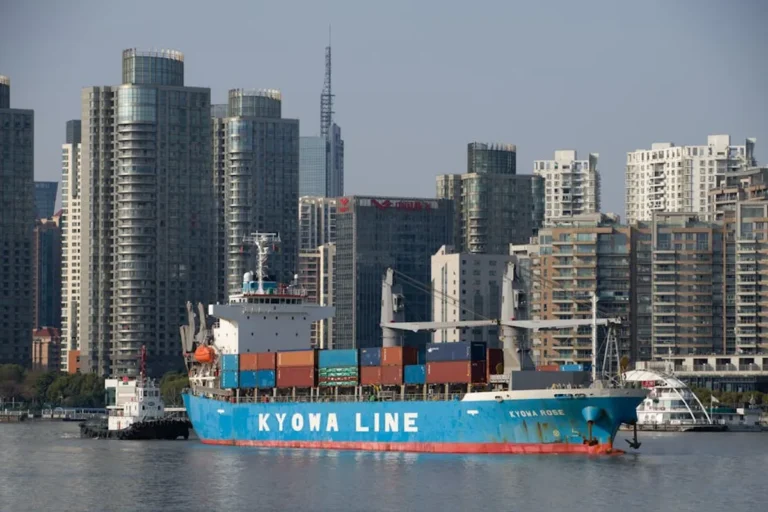
While China boasts an extensive and modern logistics infrastructure, its sheer geographic size introduces complexities. Major coastal ports like Shanghai, Ningbo, and Shenzhen handle immense volumes, but inland distribution can be challenging. The high-speed rail network offers speed for certain cargo types, while road freight remains dominant for last-mile and regional distribution. Evaluating the optimal multimodal transport strategy—combining sea, rail, and road—is essential for balancing speed, cost, and reliability. Consider the impact of regional disparities in infrastructure quality and connectivity, especially when planning distribution to second and third-tier cities.
Supply Chain Visibility and Technology Adoption
Maintaining full visibility across your China supply chain is critical for proactive management and risk mitigation. This involves leveraging technology for real-time tracking, inventory management, and predictive analytics. The adoption of Warehouse Management Systems (WMS) and Transport Management Systems (TMS) is increasingly common among advanced logistics providers in China. Furthermore, understanding the local digital ecosystem, including e-CN (electronic waybill) systems and integrated platforms, can provide crucial data for optimizing routes, reducing lead times, and improving overall operational efficiency. Data security and compliance with Chinese cybersecurity laws are also paramount when implementing technology solutions.
Choosing the Right Logistics Partner
Selecting a capable and trustworthy logistics partner is arguably the most critical decision for global businesses operating in China. The right partner acts as an extension of your operations, navigating local complexities on your behalf. Understanding the key factors involved in choosing a reliable logistics partner can significantly streamline your operations in China.
Types of Providers and Their Specializations
Businesses typically choose between various logistics providers:
- Third-Party Logistics (3PLs): Offer comprehensive services, including warehousing, transportation, customs clearance, and inventory management. Many international 3PLs have strong presences in China, alongside large domestic players.
- Freight Forwarders: Primarily manage the transportation of goods, arranging carriers and handling documentation, but typically do not own assets like warehouses or trucks.
- Express Couriers: Best for time-sensitive, smaller shipments, offering door-to-door services with integrated customs processes.
Consider a 3PL if your needs are complex and require integrated services, or a specialized freight forwarder for specific transport legs. Evaluate their network coverage, particularly in your target distribution regions, and their ability to scale with your business growth.
Vetting Criteria for Partners
When evaluating potential logistics partners, move beyond basic service offerings to assess their operational depth and reliability. Key vetting criteria include:
- Local Expertise: Demonstrated understanding of Chinese regulations, customs, and cultural business practices.
- Network and Infrastructure: Ownership or strong partnerships with warehouses, transportation fleets, and port access.
- Technology Integration: Capability to integrate with your systems (e.g., ERP) and provide real-time tracking and reporting.
- Compliance Record: A clean history with GACC and other regulatory bodies.
- Customer Service: Responsiveness, dedicated account management, and clear communication channels.
- Financial Stability: Assurance of long-term operational viability and capacity.
Pro Tip: Do not rely solely on a partner's self-reported capabilities. Conduct site visits to their facilities, speak with their existing clients, and request detailed case studies that demonstrate their experience with similar product types and logistical challenges in China. A robust service level agreement (SLA) outlining performance metrics, liabilities, and escalation procedures is non-negotiable.
Optimizing Your China Logistics Operations
Beyond initial setup, continuous optimization is necessary to maintain competitiveness and adapt to market changes.
Inventory Management Strategies
Effective inventory management in China is crucial for controlling costs and meeting demand. Strategies often include establishing regional distribution centers (RDCs) to minimize lead times to key markets, implementing just-in-time (JIT) or just-in-sequence (JIS) delivery for manufacturing operations, and utilizing bonded warehouses for duty deferment or re-export flexibility. Demand forecasting accuracy is paramount, given the potential for rapid market shifts and seasonal peaks, such as during major shopping festivals.
Last-Mile Delivery Solutions
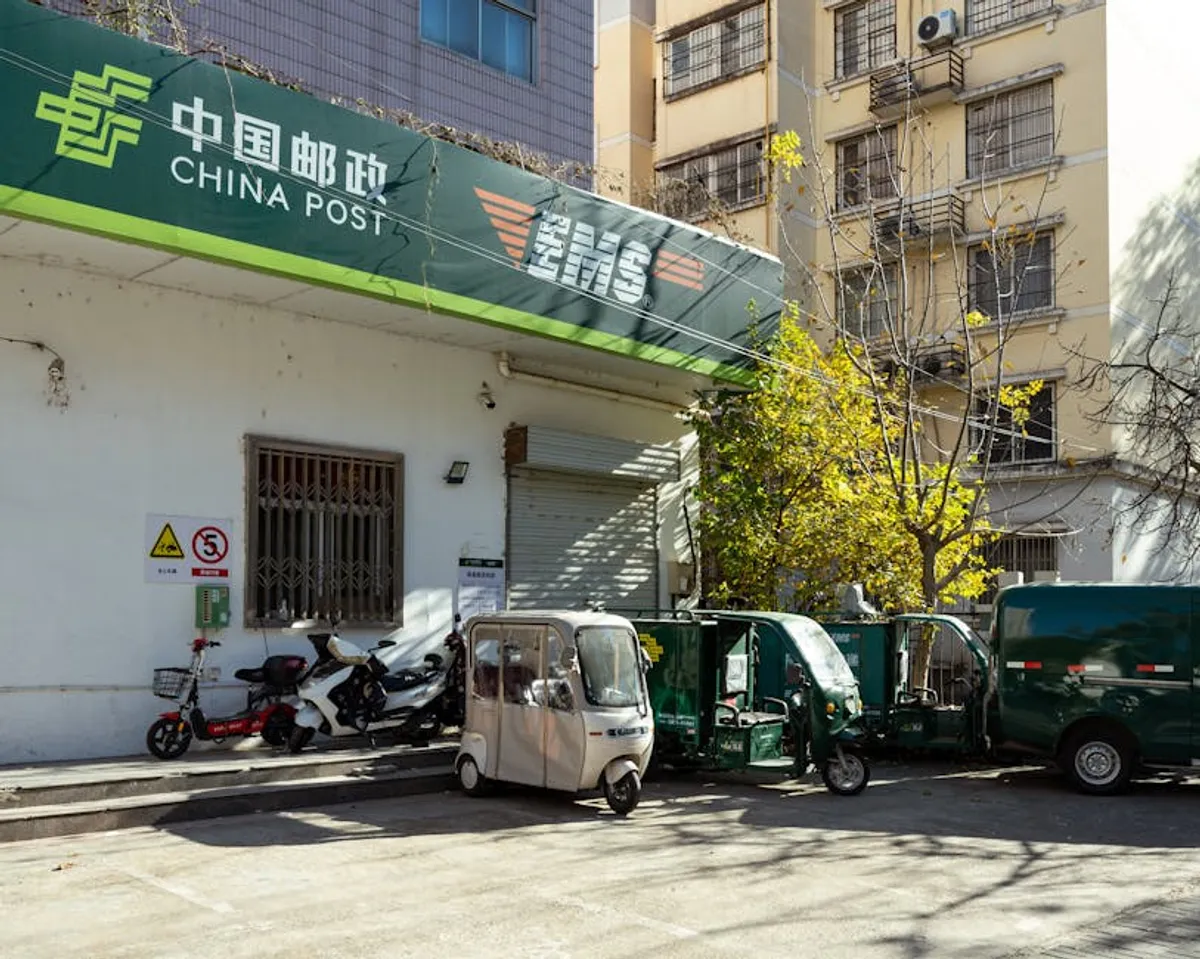
The last mile in China, especially in densely populated urban areas, requires specialized solutions. Partnering with local express delivery services that have extensive networks and optimized routing algorithms is common. Consider the role of e-commerce platforms, which often have their own integrated logistics networks that can be leveraged. For B2B deliveries, ensure your partner can handle specific delivery windows, proof of delivery requirements, and any specialized equipment needed for unloading or installation.
Risk Mitigation and Contingency Planning
China's logistics environment is subject to various risks, including natural disasters, trade policy changes, public health events, and transportation disruptions. Develop robust contingency plans that include alternative routes, backup suppliers, and diversified warehousing locations. Implement robust insurance policies that cover goods in transit and storage. Regularly review your logistics network for single points of failure and proactively build resilience into your supply chain design.
Building a Resilient China Logistics Network
Establishing a successful logistics operation in China is an ongoing process of adaptation and refinement. Focus on building strong relationships with your logistics partners, investing in technology that provides transparency, and staying current with regulatory changes. Proactive planning, thorough due diligence, and a willingness to adapt will position your global business for sustained success in this critical market.
Frequently Asked Questions
What are the primary challenges for foreign businesses in China logistics?
Key challenges include navigating complex customs regulations, managing the vast geographic distances, ensuring supply chain visibility, and adapting to a rapidly evolving digital and regulatory landscape.
How important is local expertise in a logistics partner?
Local expertise is critical. A partner with deep understanding of Chinese laws, cultural nuances, and established relationships can significantly expedite customs clearance, optimize routes, and mitigate operational risks that foreign entities might overlook.
Should I use a single logistics provider or multiple?
This depends on your scale and complexity. A single, integrated 3PL can offer streamlined management, while multiple specialized providers might be better for very specific, distinct needs or to mitigate risk through diversification. Evaluate based on your specific operational footprint.
What role does technology play in China logistics?
Technology is fundamental for real-time tracking, inventory optimization, compliance management, and data analytics. Leveraging WMS, TMS, and integrating with local digital platforms enhances efficiency, reduces errors, and improves overall supply chain responsiveness.