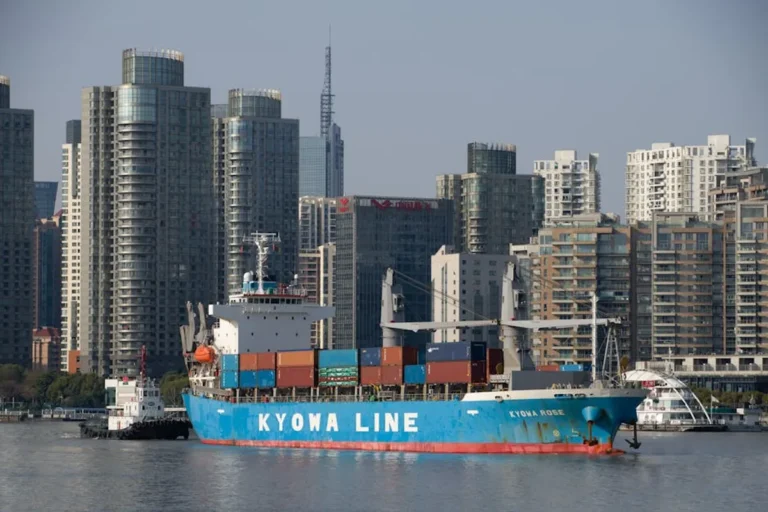

Effective freight shipment tracking is not merely about knowing a package's location; it's a critical operational lever influencing supply chain efficiency, customer satisfaction, and cost management. Businesses that master freight visibility gain a competitive edge by minimizing delays, proactively addressing exceptions, and providing accurate delivery expectations. The choice of tracking method directly impacts the granularity of data, the level of automation, and the overall integration with internal logistics processes. Understanding the available options and their respective strengths is fundamental to selecting a system that aligns with specific business needs and shipment volumes.
Direct Carrier Tracking Portals
The most straightforward method for tracking freight shipments involves utilizing the specific carrier's online portal. Each freight carrier, whether a Less-Than-Truckload (LTL) provider like Old Dominion Freight Line or a Full-Truckload (FTL) specialist, maintains a dedicated web interface where shippers and consignees can input a tracking number to retrieve real-time status updates. This number is typically the Bill of Lading (BOL) number, a Pro number, or a unique shipment ID provided at the time of booking.
- How it works: Users navigate to the carrier's website, locate the tracking section, and enter the assigned identifier. The system then queries its internal database to display the shipment's current location, last scanned facility, estimated delivery date, and any relevant exceptions or delays.
- Data provided: Typically includes origin and destination, transit points, date/time stamps for each leg of the journey, and the current status (e.g., "In Transit," "Out for Delivery," "Delivered"). For LTL, details like pallet count and weight may also be visible.
- Best for: Businesses with low to moderate shipment volumes, those primarily using a single carrier, or consignees needing to check the status of an incoming delivery. It requires no additional software investment and provides authoritative data directly from the source.
Limitation: This method becomes cumbersome and inefficient for companies managing multiple shipments across various carriers, as it necessitates visiting and logging into numerous distinct portals.
Third-Party Freight Tracking Platforms
For businesses seeking a consolidated view of their freight movements, third-party tracking platforms offer a centralized solution. These platforms integrate with multiple carriers, aggregating tracking data into a single dashboard. They act as intermediaries, pulling information via Application Programming Interfaces (APIs) or Electronic Data Interchange (EDI) connections from various carrier systems.
- Functionality: Users input tracking numbers from different carriers into one interface. The platform then retrieves and displays the combined status, often with standardized terminology and visual maps. Many platforms also offer notification features, sending alerts for status changes or potential delays.
- Key features often include:
- Multi-carrier support for LTL, FTL, parcel, and international air/ocean freight.
- Customizable dashboards and reporting tools for performance analysis.
- Automated notifications via email or SMS for critical milestones.
- Integration capabilities with other business systems (e.g., CRM, inventory).
- Best for: Shippers with diverse carrier portfolios, freight brokers, and logistics service providers who require a unified view of their entire outbound or inbound freight network. These platforms reduce manual effort and improve data accessibility.
Pro Tip: When evaluating third-party platforms, prioritize those with robust API integrations and a wide network of supported carriers. Data latency can be a concern; verify how frequently the platform refreshes data from its integrated carriers to ensure near real-time accuracy.
Transportation Management Systems (TMS) and ERP Integration
The most sophisticated approach to freight tracking involves integrating tracking capabilities directly into a Transportation Management System (TMS) or Enterprise Resource Planning (ERP) suite. These systems are designed to manage the entire logistics lifecycle, from order entry and load planning to execution, tracking, and settlement.
- Integration depth: A TMS or ERP system can automate the entire tracking process. Once a shipment is booked within the system, it automatically pulls tracking updates from the assigned carrier(s) via EDI or API. This data is then linked directly to the corresponding sales order, purchase order, or inventory record.
- Advanced features: Beyond basic location tracking, these systems often provide:
- Predictive analytics for estimated time of arrival (ETA) based on historical data and real-time traffic.
- Geofencing capabilities to trigger alerts upon entry or exit from specific zones.
- Cost analysis and freight audit functionalities, comparing actual transit times and costs against planned metrics.
- Automated exception management workflows, flagging issues that require immediate attention.
- Best for: Large enterprises, manufacturers, distributors, and e-commerce businesses with high shipment volumes, complex supply chains, and a need for deep integration across all business functions. The investment in a TMS or ERP is substantial, but it delivers unparalleled operational control and data insights.
Considerations for International Freight Tracking
Tracking international freight introduces additional complexities due to multiple modes of transport (ocean, air, rail, road), customs clearance processes, and varying carrier systems across borders. International shipments often involve different tracking identifiers depending on the leg of the journey:
- Ocean Freight: Typically tracked using a container number, booking number, or Bill of Lading number. Updates are often less frequent than domestic parcel or LTL, reflecting the longer transit times and fewer scanning points.
- Air Freight: Tracked via an Air Waybill (AWB) number. Air cargo generally offers more frequent updates and faster transit, but customs clearance can still introduce delays.
- Customs Clearance: This critical phase often lacks granular real-time tracking. Shippers rely on customs brokers to provide updates on clearance status, which can be a bottleneck in the tracking chain.
Specialized international freight forwarders and global TMS platforms often provide integrated tracking solutions that attempt to bridge these gaps, offering a consolidated view across different carriers and customs stages.
Optimizing Your Freight Tracking Strategy
Selecting the optimal freight tracking method depends on several factors, including your business size, shipment volume, carrier diversity, and the level of integration required with your existing systems. For smaller operations, direct carrier portals might suffice. As volume and complexity grow, third-party platforms become invaluable for consolidating data. Ultimately, large-scale operations benefit most from a fully integrated TMS or ERP solution that automates tracking, provides deep analytics, and supports proactive supply chain management.
Prioritize systems that offer clear, actionable data and support automated communication. The goal is to move beyond simply knowing where a shipment is, to understanding why it's there, when it will arrive, and what actions are needed to ensure smooth delivery.
Frequently Asked Questions
What information do I need to track a freight shipment?
You typically need a unique identifier such as a Bill of Lading (BOL) number, a Pro number (common for LTL shipments), a container number (for ocean freight), an Air Waybill (AWB) number (for air freight), or a specific shipment ID provided by the carrier or freight forwarder.
What is the difference between LTL and FTL tracking?
LTL (Less-Than-Truckload) shipments often have more scanning points and detailed updates as they move through various terminals, meaning more granular tracking information. FTL (Full-Truckload) shipments generally have fewer scanning events, with updates primarily at pickup, transit milestones, and delivery, as they typically remain on a single truck from origin to destination.
Can I track international shipments in real-time?
While real-time tracking for international shipments is improving, it's often less granular than domestic tracking. Ocean and air freight provide updates at major waypoints (port departures/arrivals, airport departures/arrivals). Customs clearance introduces a potential tracking gap, where updates rely on communication from customs brokers rather than continuous scans. When planning international logistics, a crucial consideration is whether air freight versus sea freight better suits your needs.