Businesses shipping goods internationally face a fundamental decision: air freight or sea freight. The choice profoundly impacts supply chain efficiency, operational costs, and customer satisfaction. This isn't a matter of one being inherently "better" than the other; rather, it's about aligning the shipping method with specific cargo characteristics, urgency requirements, budget constraints, and strategic business objectives. Understanding the distinct advantages and disadvantages of each mode is critical for optimizing logistics and maintaining competitive advantage.
Cost Implications and Financial Trade-offs
The financial outlay for air and sea freight diverges significantly, driven by factors like fuel, labor, port/airport fees, and handling. Sea freight typically offers a lower cost per unit for larger volumes over long distances, primarily due to the economies of scale afforded by massive container ships. Air freight, conversely, commands a premium due to its speed, higher fuel consumption per ton-mile, and specialized handling requirements.
For sea freight, costs are often calculated per TEU (Twenty-foot Equivalent Unit) or CBM (Cubic Meter). Additional charges include terminal handling, customs clearance, drayage, and potential demurrage or detention fees if containers are not cleared promptly. While the base rate is lower, longer transit times mean higher inventory holding costs and a greater need for buffer stock, tying up capital.
Air freight costs are usually based on chargeable weight, which is the greater of the actual gross weight or the volumetric weight. This method ensures that bulky, lightweight cargo is charged fairly. Beyond the direct freight charge, businesses incur costs for air waybills, security screening, and express customs procedures. The higher direct cost is often offset by reduced warehousing needs, lower inventory carrying costs, and the ability to respond rapidly to market demands, which can translate into higher sales velocity and reduced risk of obsolescence for time-sensitive products.
Pro Tip: When evaluating total cost, look beyond the quoted freight rate. Factor in inventory holding costs, potential lost sales due to lead times, insurance premiums, and the cost of capital tied up in goods during transit. A cheaper freight option that leads to stockouts or excessive inventory might be more expensive overall.
Transit Time and Supply Chain Velocity
Speed is the most prominent differentiator. Air freight is the undisputed leader for rapid transit, often delivering goods across continents within 1-3 days. This speed is invaluable for:
- Perishable goods (e.g., fresh produce, pharmaceuticals)
- High-value, low-volume items (e.g., electronics, fashion samples)
- Emergency shipments or critical spare parts
- Products with short shelf lives or strict delivery windows
- Responding quickly to sudden market demand or product launches
Sea freight, by contrast, operates on a much longer timeline, with transcontinental journeys typically ranging from 20 to 45 days, sometimes more, depending on the route, port congestion, and customs processes. While slower, this extended transit time is acceptable and often preferred for goods where speed is not the primary concern. Businesses using sea freight must plan meticulously, accounting for longer lead times in their production and distribution schedules.
Capacity, Volume, and Cargo Type
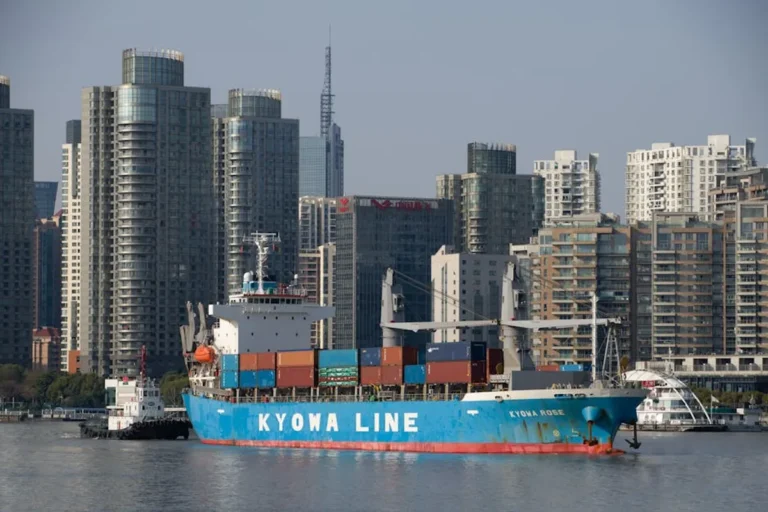
The sheer carrying capacity of ocean vessels dwarfs that of even the largest cargo aircraft. A single container ship can transport thousands of TEUs, equating to millions of pounds of cargo. This makes sea freight ideal for:
Best for:
- Bulk commodities (e.g., raw materials, grains, minerals)
- Large, heavy, or oversized items (e.g., machinery, vehicles)
- Non-perishable consumer goods in large quantities
- Low-value, high-volume products where cost efficiency is paramount
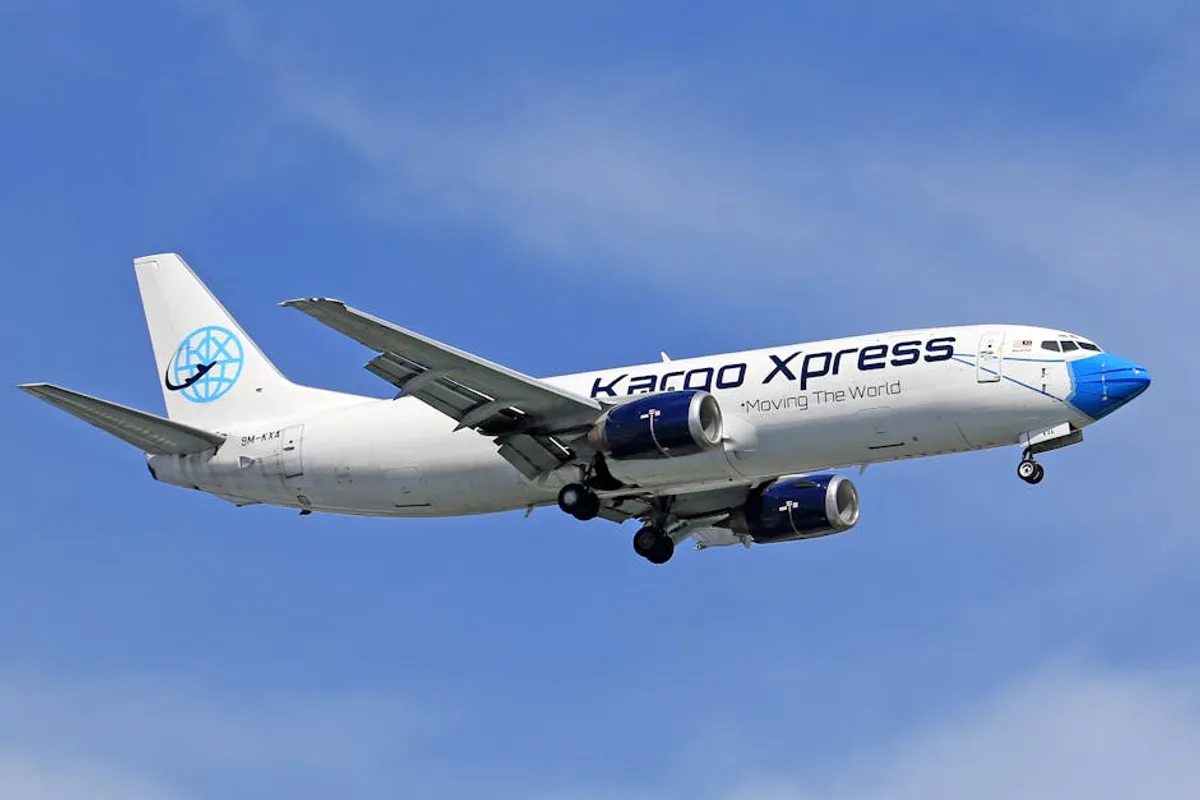
Air freight is constrained by aircraft size and weight limitations. While modern cargo planes can carry substantial loads, their capacity is significantly less than a container ship. This limitation, combined with higher costs, makes air freight less suitable for bulk or exceptionally heavy shipments. However, for smaller, lighter, and higher-value items, air cargo offers specialized handling and faster delivery. Air freight also has strict regulations on hazardous materials, which can limit what can be shipped.
Environmental Impact and Sustainability Considerations
As sustainability becomes a critical business imperative, the environmental footprint of logistics operations gains importance. Sea freight is generally considered more carbon-efficient per ton-mile than air freight. Modern container ships, especially those employing slow steaming or alternative fuels, emit significantly less CO2 per unit of cargo transported compared to cargo aircraft. This makes sea freight a more environmentally friendly option for businesses aiming to reduce their carbon emissions.
Air freight has a substantially higher carbon footprint per ton-mile. The aviation industry is actively working on cleaner fuels and more efficient aircraft, but the current environmental impact remains higher. Companies prioritizing green logistics or operating in sectors with stringent environmental regulations may find sea freight a more aligned choice for their sustainability goals.
Security, Reliability, and Risk Management
Both modes have security protocols, but the nature of risks differs. Sea freight faces risks such as piracy (though largely mitigated on major routes), container damage from rough seas, and potential delays due to port congestion or weather. Cargo insurance is standard practice to mitigate financial losses from damage, theft, or loss.
Air freight generally offers a higher level of security due to tighter airport controls, faster transit minimizing exposure time, and less handling points. However, it is not immune to risks such as damage during loading/unloading, or delays due to air traffic control, mechanical issues, or severe weather. The higher value and time-sensitive nature of air cargo often necessitate robust insurance policies.
Flexibility and Global Reach
Sea freight offers extensive global reach, connecting virtually every major port worldwide. This vast network allows for flexible routing and the ability to serve diverse markets. However, its door-to-door transit often requires multimodal transportation (e.g., trucking or rail to/from ports), adding complexity and potential for delays.
Air freight provides excellent connectivity to major global cities and industrial hubs, often reaching inland destinations faster than sea freight. Its speed allows for greater responsiveness to market changes and inventory adjustments. While air cargo typically involves less ground transportation than sea freight, the initial and final mile logistics still require careful coordination.
Optimizing Your Freight Decisions
The optimal choice between air and sea freight is rarely static. It depends on a dynamic assessment of product characteristics, market demands, inventory strategies, and financial objectives. For high-value, time-critical, or perishable goods, air freight justifies its higher cost through speed and reliability. For bulk, heavy, or lower-value items, sea freight offers significant cost savings and capacity benefits, provided lead times are manageable. Many businesses employ a hybrid strategy, using air freight for urgent or high-demand items and sea freight for regular stock replenishment, balancing speed, cost, and environmental considerations across their supply chain.
Frequently Asked Questions
Which freight option is more cost-effective for small businesses?
For small businesses, sea freight is generally more cost-effective for larger, non-urgent shipments due to lower per-unit costs. However, for small, high-value, or time-sensitive items, air freight can reduce inventory costs and improve cash flow, making it a viable option despite higher direct shipping fees.
Can I combine air and sea freight for one shipment?
Yes, multimodal shipping (often called "sea-air" or "air-sea") combines both modes. For example, goods might travel by sea for the longest leg and then switch to air for faster final delivery, balancing cost and speed. This strategy is common for shipments from Asia to Europe or North America.
What factors should I consider when insuring my cargo?
When insuring cargo, consider the intrinsic value of the goods, the fragility or susceptibility to damage, the route's inherent risks, and the potential for financial loss due to delays. Ensure the policy covers specific risks relevant to your chosen mode of transport, whether it's general average for sea freight or specific handling risks for air cargo.
How do customs procedures differ between air and sea freight?
While the core customs requirements are similar (documentation, duties, taxes), air freight often benefits from expedited customs clearance processes due to the time-sensitive nature of air cargo. Sea freight, especially for large container shipments, can experience longer processing times due to volume and port congestion.