Last-mile delivery, the final leg of a product's journey from a distribution center or local hub to the end customer's doorstep, represents a critical juncture in the modern supply chain. While it might seem like a simple endpoint, this stage is often the most complex, costly, and impactful on customer satisfaction. For businesses operating in e-commerce, retail, or any sector involving physical product distribution, understanding and optimizing last-mile operations is not merely an operational detail; it is a direct determinant of profitability, brand reputation, and competitive standing.
The efficiency of last-mile delivery directly influences customer loyalty and repeat business. Delays, missed deliveries, or poor communication during this final stage can erode trust and drive customers to competitors. Conversely, a smooth, transparent, and timely last-mile experience can transform a transactional purchase into a positive brand interaction. This article details the core components, inherent challenges, and strategic solutions associated with last-mile delivery, providing a framework for businesses to enhance their operational effectiveness and customer engagement.
Defining Last-Mile Delivery in Commercial Context
Last-mile delivery encompasses all processes involved in transporting goods from a transportation hub (e.g., a warehouse, fulfillment center, or retail store acting as a micro-fulfillment center) to the final destination address provided by the customer. This segment typically involves smaller, often more frequent, and geographically dispersed deliveries compared to the bulk transport stages earlier in the supply chain.
Its commercial significance stems from several factors:
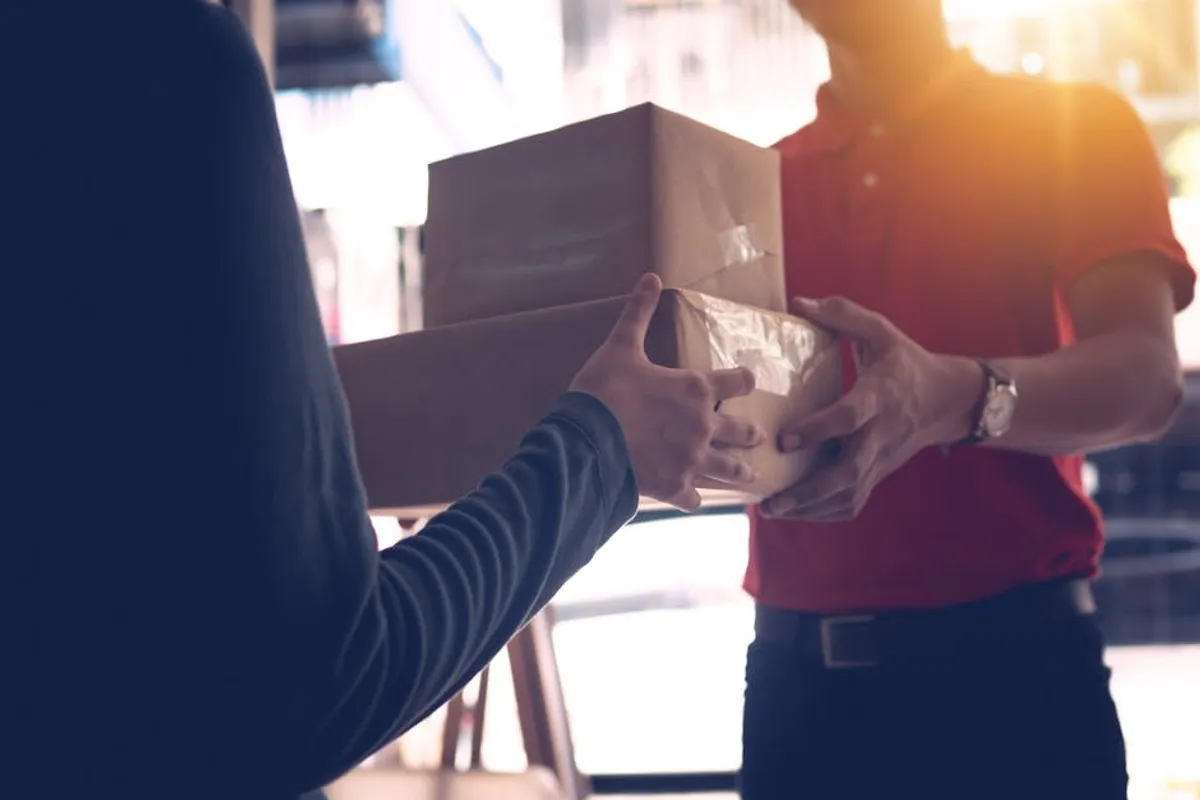
- Direct Customer Touchpoint: It is the only physical interaction many online businesses have with their customers.
- Cost Impact: It can account for over 50% of total shipping costs due to inefficiencies like low drop density, traffic, and failed deliveries.
- Brand Perception: The speed, reliability, and communication during last-mile delivery directly shape customer perception of the entire brand.
- Competitive Differentiation: Offering superior last-mile options (e.g., same-day, scheduled delivery, real-time tracking) can be a key differentiator in crowded markets.
Operational Components of Last-Mile Delivery
A successful last-mile operation integrates several distinct processes, each contributing to the overall efficiency and customer experience.
Order Processing and Dispatch
This initial phase involves receiving customer orders, verifying details, and preparing items for shipment. Efficient order processing ensures that goods are picked, packed, and staged for delivery without unnecessary delays. Dispatch involves assigning orders to specific drivers or carriers and initiating the delivery process from the local hub.
Route Optimization and Planning
Effective route optimization is fundamental to controlling costs and improving delivery times. This involves using advanced algorithms to determine the most efficient paths for delivery vehicles, considering variables such as:
- Traffic patterns and road conditions.
- Delivery time windows and customer preferences.
- Vehicle capacity and driver availability.
- Fuel consumption and carbon footprint.
The goal is to maximize the number of deliveries per route while minimizing distance, time, and operational expenses.
Delivery Execution and Tracking
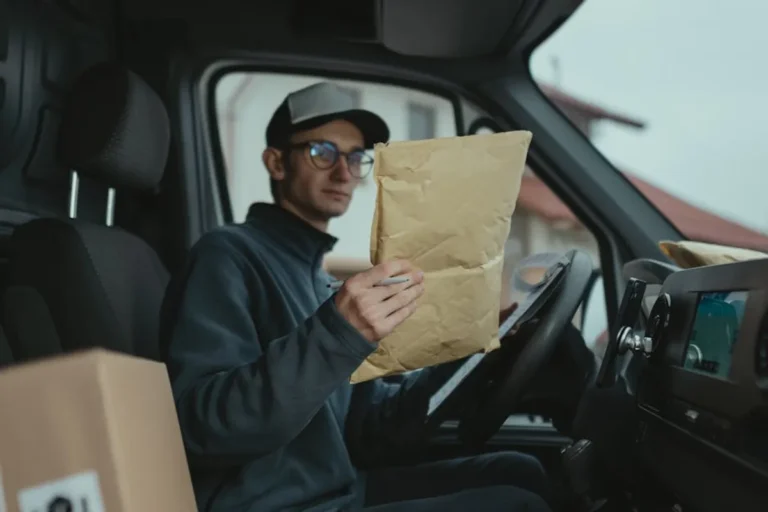
This is the physical movement of goods. During execution, real-time tracking becomes crucial. Customers expect to know the status and location of their package. For businesses, tracking provides visibility into driver performance, potential delays, and allows for proactive problem-solving. Proof of delivery (POD) mechanisms, such as signatures, photos, or GPS coordinates, confirm successful receipt and mitigate disputes.
Customer Communication
Proactive and transparent communication is vital. This includes order confirmations, shipping notifications, estimated delivery windows, and real-time updates on delays. Post-delivery feedback requests can also be integrated to gauge satisfaction and identify areas for improvement.
Pro Tip: Integrating real-time customer communication tools, like automated SMS updates or live tracking maps, reduces 'where is my order?' inquiries and significantly boosts perceived service quality, even if delivery times remain constant. Proactive updates manage expectations and build trust.
Challenges Pervading Last-Mile Logistics
Despite its critical importance, last-mile delivery is fraught with challenges that can significantly impact operational efficiency and profitability.
Cost Inefficiencies
High operational costs are a primary concern. Factors contributing to this include:
- Fuel and Labor: Fluctuating fuel prices and the need for skilled drivers.
- Vehicle Maintenance: Wear and tear on a fleet operating in diverse urban and rural environments.
- Low Drop Density: Delivering single packages to dispersed locations rather than bulk shipments.
- Failed Deliveries: Re-delivery attempts incur additional costs and time.
Route Complexity and Urban Congestion
Navigating dense urban areas presents challenges like traffic congestion, parking restrictions, and limited access windows. Rural deliveries, conversely, may involve longer distances between stops, increasing transit time and fuel consumption per delivery.
Meeting Escalating Customer Expectations
Customers now demand faster, cheaper, and more flexible delivery options, including same-day, next-day, and scheduled deliveries. They also expect granular tracking and easy returns, placing immense pressure on logistics networks.
Sustainability and Environmental Impact
The increasing volume of last-mile deliveries contributes to traffic, noise, and emissions. Businesses are under pressure to adopt more sustainable practices, such as electric vehicles, optimized routing to reduce mileage, and consolidated deliveries.
Technological Levers for Last-Mile Optimization
Advancements in technology offer powerful solutions to mitigate last-mile challenges and enhance operational performance.
Delivery Management Software (DMS)
DMS platforms provide end-to-end management of the delivery process. Key features include automated dispatching, real-time tracking, electronic proof of delivery, and analytics dashboards. These systems streamline operations, reduce manual errors, and provide actionable insights.
Advanced Route Optimization
Beyond basic GPS, advanced route optimization software uses AI and machine learning to dynamically adjust routes based on real-time traffic, weather, and new order influx. This leads to more efficient routes, reduced fuel consumption, and improved on-time delivery rates.
Real-Time Tracking and Telematics
GPS-enabled tracking devices and telematics systems provide continuous visibility into vehicle location, driver behavior, and delivery status. This data is crucial for proactive problem-solving, performance monitoring, and providing accurate customer updates.
Alternative Delivery Methods
Innovation extends to new delivery paradigms:
- Autonomous Vehicles and Drones: While still in pilot phases, these offer potential for rapid, automated deliveries in specific contexts.
- Delivery Lockers and PUDO (Pick-Up/Drop-Off) Points: These reduce failed deliveries by providing secure, convenient alternatives to home delivery, consolidating multiple deliveries to a single point.
- Crowdsourced Delivery: Leveraging a network of independent drivers for on-demand or peak-period deliveries, offering flexibility and scalability.
Building an Optimized Last-Mile Strategy
Developing a robust last-mile strategy requires a holistic approach, integrating technology, process improvements, and strategic partnerships.
Strategic Hub Placement
Establishing smaller, strategically located micro-fulfillment centers or urban hubs closer to customer bases can significantly reduce travel distances and accelerate delivery times, especially for same-day or express services.
Data-Driven Decision Making
Leveraging analytics from delivery operations—such as delivery success rates, average delivery times, fuel consumption per route, and customer feedback—allows businesses to identify bottlenecks, optimize resource allocation, and continuously refine their processes.
Third-Party Logistics (3PL) Partnerships
For many businesses, particularly those without extensive in-house logistics capabilities, partnering with specialized 3PL providers can offer access to established networks, advanced technology, and economies of scale, reducing the burden of managing complex last-mile operations directly.
Investing in Scalable Technology
Implementing scalable delivery management systems and route optimization tools ensures that last-mile operations can adapt to fluctuating demand and business growth without compromising efficiency or customer service.
Frequently Asked Questions
What is the primary goal of last-mile delivery?
The primary goal is to deliver goods from a distribution hub to the end customer's specified location as efficiently and cost-effectively as possible, while simultaneously meeting customer expectations for speed, reliability, and communication.
Why is last-mile delivery often the most challenging part of the supply chain?
It is challenging due to factors like high operational costs, complex routing in varied environments (urban congestion, rural dispersion), the need to meet increasingly demanding customer expectations for speed and tracking, and the environmental impact of numerous individual deliveries.
How does technology specifically improve last-mile delivery?
Technology improves last-mile delivery through advanced route optimization software that minimizes travel time and fuel, real-time tracking for visibility and customer updates, delivery management platforms that streamline operations, and the introduction of alternative methods like delivery lockers or autonomous vehicles.
What role does customer experience play in last-mile delivery?
Customer experience is paramount in last-mile delivery as it represents the final, direct interaction a customer has with a brand's service. A positive delivery experience fosters satisfaction, loyalty, and repeat business, while a negative one can lead to customer churn and damage brand reputation.