Small businesses considering importing from China face a landscape of both significant opportunity and intricate challenges. The prospect of lower manufacturing costs and access to a vast product range can drive substantial margin improvements, yet navigating the complexities of international logistics, supplier vetting, quality control, and customs compliance requires a structured approach. This guide outlines the essential steps and considerations for small businesses to import from China effectively, focusing on risk mitigation and operational efficiency. This guide outlines the essential steps and considerations for small businesses to import from China effectively, focusing on risk mitigation and operational efficiency, by providing a structured approach to importing.
Understanding Your Needs and Product Sourcing
Before engaging any supplier, a clear definition of your product, its specifications, and your target market's demand is paramount. This foundational research informs every subsequent decision, from supplier selection to quality control protocols.
Product Selection and Market Research
Identify products with stable demand, manageable shipping requirements, and a clear competitive advantage. Researching market trends, competitor offerings, and regulatory requirements in your target market will refine your product specifications. For instance, understanding electrical certification standards (e.g., CE for Europe, FCC for North America) before sourcing can prevent costly rejections or modifications post-import.
Identifying Suppliers
Reliable supplier identification is critical. Online B2B platforms like Alibaba.com, Made-in-China.com, and Global Sources provide extensive directories, though direct engagement at industry-specific trade shows (e.g., Canton Fair, Yiwu Fair) often yields more direct insights into manufacturing capabilities and pricing. When evaluating potential suppliers, prioritize those with:
- Verified business licenses and export experience.
- Clear communication in English and responsiveness.
- Certifications relevant to your product (e.g., ISO 9001 for quality management, specific product certifications).
- A transparent production process and willingness to allow third-party inspections.
Requesting samples is non-negotiable. Evaluate samples not just for quality but also for packaging, labeling, and adherence to your precise specifications.
Navigating Logistics and Shipping
The movement of goods from a Chinese factory to your warehouse involves multiple stages, each with its own costs and risks. Understanding these elements is key to budgeting and avoiding delays.
Shipping Methods: Air vs. Sea Freight
Air Freight:
Best for: High-value, low-volume, time-sensitive goods (e.g., electronics, fashion items).
Considerations: Faster transit times (3-10 days), but significantly higher cost per unit. Volume and weight restrictions apply.
Sea Freight:
Best for: Bulky, heavy, non-perishable goods where transit time is less critical (e.g., furniture, machinery, large quantities of consumer goods).
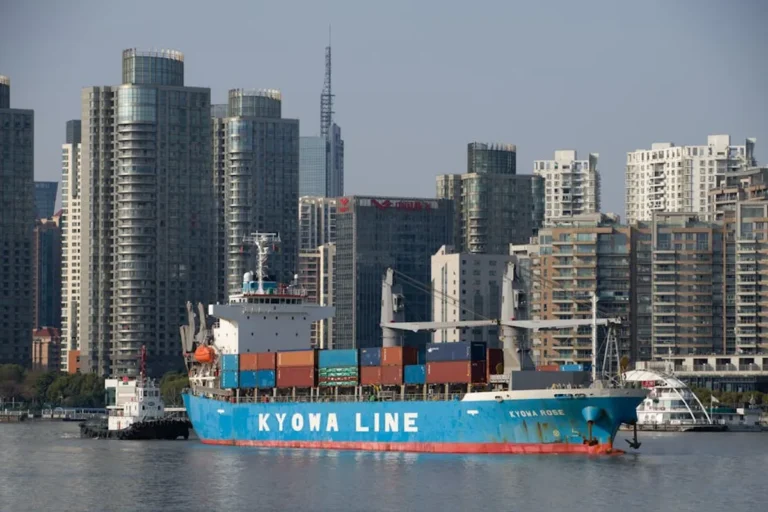
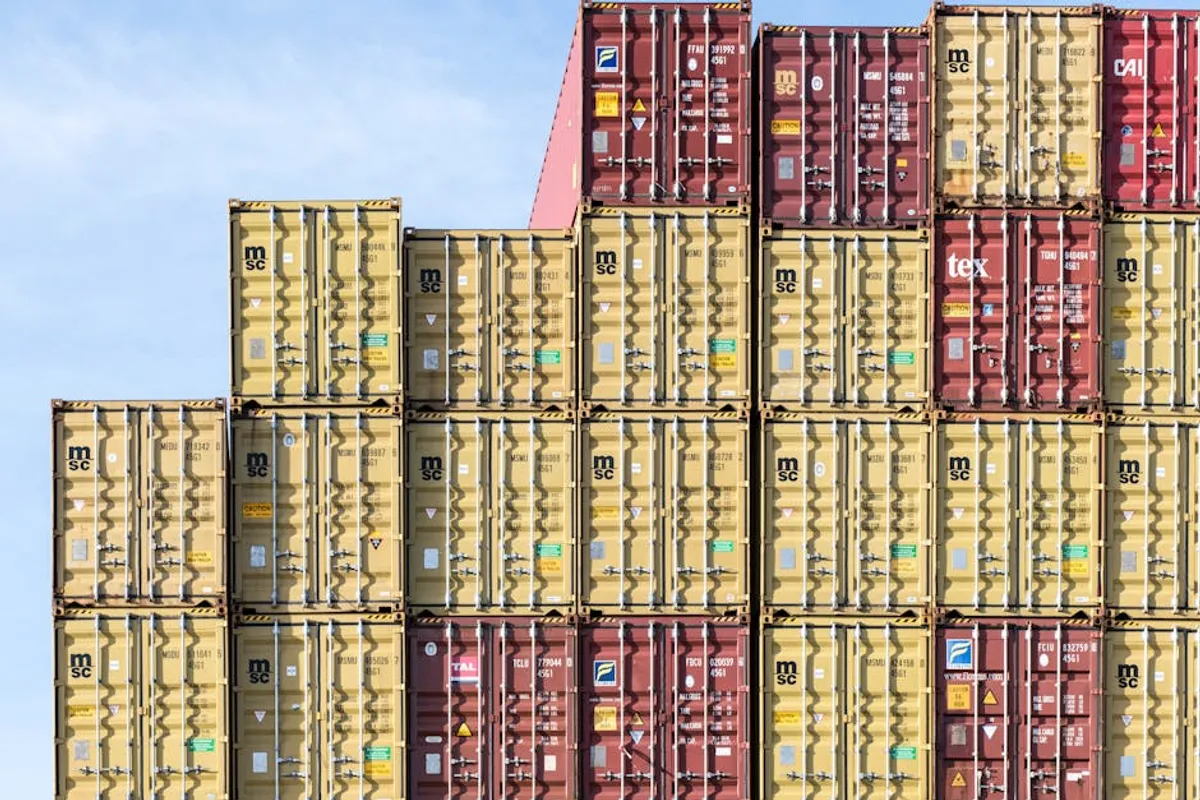
Considerations: Slower transit times (20-45 days), but substantially lower cost. Options include Full Container Load (FCL) for large volumes or Less than Container Load (LCL) for smaller shipments, where your goods share container space with others.
Incoterms: Defining Responsibilities
Incoterms (International Commercial Terms) clarify the responsibilities of buyers and sellers for the delivery of goods, including costs, risks, and insurance. Common Incoterms for small businesses include:
- EXW (Ex Works): Seller makes goods available at their factory. Buyer bears all costs and risks from that point.
- FOB (Free On Board): Seller delivers goods onto a vessel nominated by the buyer at a named port. Risk transfers when goods are on board. Buyer pays ocean freight and onward costs.
- CIF (Cost, Insurance and Freight): Seller covers cost, insurance, and freight to the named port of destination. Risk transfers once goods are on board the vessel at the port of origin.
- DDP (Delivered Duty Paid): Seller handles all costs and risks, including customs duties, until goods are delivered to the buyer's specified location. This is the most hassle-free for buyers but often the most expensive.
Choosing the right Incoterm impacts your total landed cost and operational burden. FOB is a common choice, offering a balance of control and cost for small businesses.
Customs Clearance and Duties
Upon arrival in your country, goods must clear customs. This involves submitting necessary documentation, paying import duties, taxes, and fees. Engaging a customs broker is highly recommended for small businesses; they manage the complex paperwork, tariff classifications, and ensure compliance with import regulations. Key documents often include:
- Commercial Invoice
- Packing List
- Bill of Lading (for sea freight) or Air Waybill (for air freight)
- Certificate of Origin
- Product-specific certifications (e.g., CE, FDA, RoHS)
Pro Tip: Always secure a detailed, itemized quote from your freight forwarder that includes all charges from the factory gate to your final destination. This "landed cost" calculation is essential for accurate product pricing and profitability assessment, preventing unexpected fees at customs or delivery.
Quality Control and Risk Mitigation
Proactive quality control and secure payment practices are non-negotiable when importing from China.
Pre-shipment Inspections
Do not rely solely on the supplier's assurance of quality. Engage an independent third-party inspection agency to perform pre-shipment inspections. These inspections verify product quantity, quality, specifications, packaging, and labeling against your purchase order and sample. Identifying defects before shipment saves significant costs and time associated with returns or rework.
Payment Terms and Security
Typical payment terms involve an upfront deposit (e.g., 30%) and the remaining balance upon completion or shipment. For initial orders, consider using secure payment methods:
- Trade Assurance (Alibaba): Offers payment protection and dispute resolution services.
- Letter of Credit (L/C): Issued by a bank, guaranteeing payment to the seller upon fulfillment of specified conditions. More complex and costly, typically for larger orders.
- Escrow Services: A neutral third party holds payment until goods are received and verified.
Avoid paying 100% upfront, especially with new suppliers. A phased payment schedule provides leverage for quality and delivery compliance.
Legal and Regulatory Compliance
Failure to comply with destination country regulations can result in fines, seizure of goods, or forced re-export.
Product Certifications
Ensure your products meet all mandatory safety, health, and environmental standards in your target market. This may include CE marking for the European Union, FCC certification for electronics in the US, or specific material safety data sheets (MSDS) for certain chemicals. Obtain copies of these certificates from your supplier and verify their authenticity.
Intellectual Property Considerations
Protecting your intellectual property (IP) is crucial. Before sharing designs or proprietary information, consider non-disclosure agreements (NDAs) with potential suppliers. Registering your trademarks and designs in China, as well as your home country, provides a legal basis for protection against infringement.
Building Sustainable Supplier Relationships
Treat your suppliers as partners. Clear, consistent communication, fair practices, and prompt payments foster trust and can lead to better pricing, priority service, and greater flexibility over time. Regular performance reviews and feedback loops help maintain quality standards and address issues proactively.
Key Takeaways for Successful Importing
Successful importing from China for small businesses hinges on diligent preparation, meticulous vetting, and proactive risk management. Define your product precisely, vet suppliers thoroughly, understand Incoterms, and prioritize third-party quality control. Engage customs brokers for smooth clearance and always factor in all landed costs. Building strong supplier relationships through clear communication and fair practices will yield long-term benefits, transforming a complex process into a strategic advantage for your business. Building strong supplier relationships through clear communication and fair practices will yield long-term benefits, transforming a complex process into a strategic advantage for your business by avoiding common pitfalls in international shipping.
Frequently Asked Questions
What is the typical Minimum Order Quantity (MOQ) for Chinese suppliers?
MOQs vary significantly by product and supplier. For custom or manufactured goods, MOQs can range from a few hundred to several thousand units. For off-the-shelf items, they might be lower. Always negotiate MOQs, especially for initial orders, as some suppliers are flexible for promising new clients.
How can I verify a Chinese supplier's legitimacy?
Beyond online platform verification, request business licenses, factory audit reports, and product certifications. Conduct video calls to see their facility, and consider engaging a third-party audit firm for a comprehensive on-site check. Cross-referencing supplier names and contact details online can also reveal red flags or positive reviews.
What are the common payment methods and which is safest for small businesses?
Common methods include T/T (Telegraphic Transfer), Letter of Credit (L/C), and online payment platforms like Alibaba Trade Assurance. For small businesses, Trade Assurance offers a good balance of security and ease, providing payment protection until you confirm receipt of goods. L/Cs offer high security but are more complex and costly, usually reserved for larger transactions.
How long does it typically take to import goods from China?
The total timeline varies based on product complexity, production lead time, and shipping method. Production can take 20-60 days. Sea freight adds another 20-45 days for transit, plus customs clearance. Air freight reduces transit to 3-10 days. Overall, expect a minimum of 6-12 weeks from order placement to delivery for sea freight, and 4-8 weeks for air freight.