Deciding between air freight and sea freight is a pivotal strategic choice for businesses managing their supply chain, directly impacting costs, speed to market, inventory management, and ultimately, customer satisfaction. The optimal method is rarely a universal constant; instead, it hinges on a precise evaluation of cargo characteristics, urgency, budget constraints, and the overall supply chain strategy. Understanding the distinct operational profiles of each mode allows for informed decisions that align with specific business objectives.
Air Freight: Speed and Precision
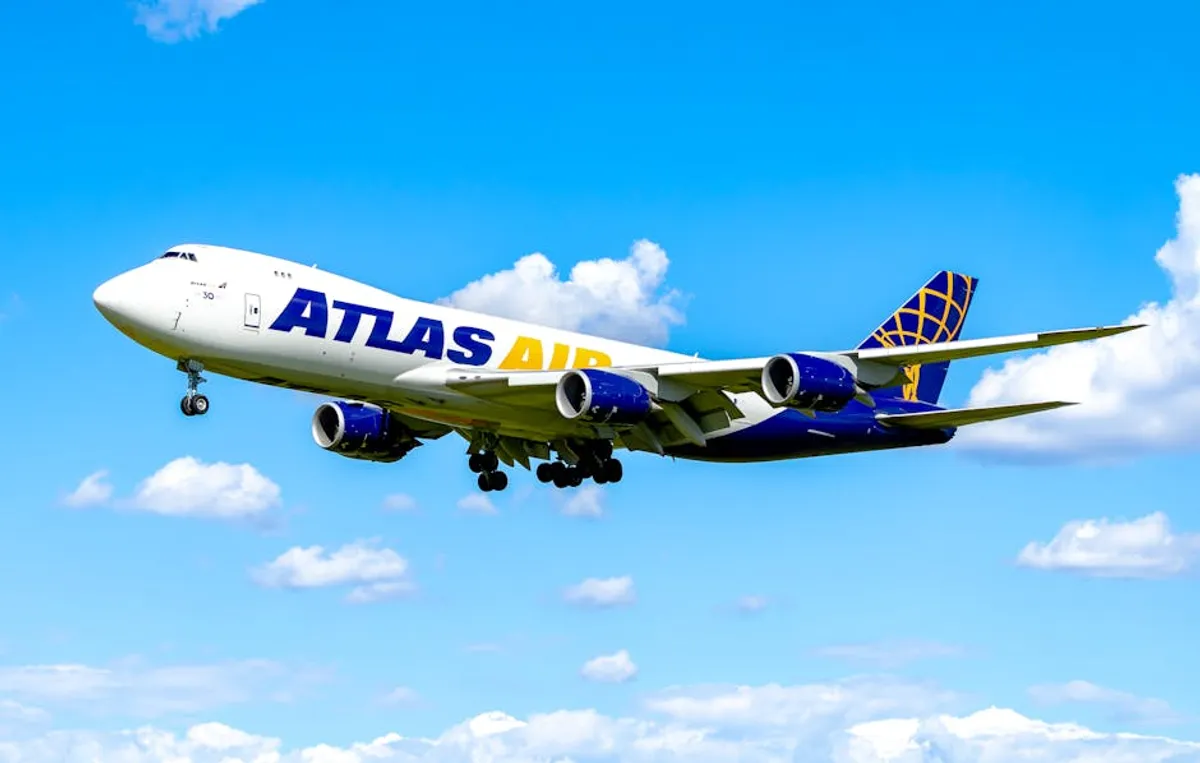
Air freight prioritizes rapid transit, making it the preferred option when time sensitivity is paramount. This mode leverages a global network of airports and established flight schedules to move goods across continents in a matter of hours or days, rather than weeks.
Advantages of Air Freight
- Speed: Air cargo typically reaches its destination within 1-3 days for international shipments, significantly reducing lead times compared to ocean transport. This speed is critical for perishable goods, high-value items, or products with short market windows.
- Reliability: Air freight operates on fixed schedules, offering high predictability in departure and arrival times. While weather can cause delays, air cargo is generally less susceptible to the long-term disruptions common in maritime shipping, such as port congestion or customs backlogs.
- Security: Airports and air cargo facilities maintain stringent security protocols, resulting in lower rates of theft and damage. Fewer handling points also contribute to a safer transit for sensitive or valuable shipments.
- Accessibility: Air freight can reach a wider range of destinations, including landlocked regions, more efficiently than sea freight, which relies on coastal access and extensive inland infrastructure for final delivery.
Disadvantages of Air Freight
The premium for speed and reliability comes with significant trade-offs:
- Cost: Air freight is considerably more expensive than sea freight, often priced per kilogram or per cubic meter. This higher cost encompasses fuel, handling, security, and the specialized infrastructure required for air cargo operations.
- Capacity and Size Limitations: Aircraft cargo holds have finite space and weight restrictions. Oversized, extremely heavy, or certain hazardous materials cannot be transported by air. This limits the volume of goods that can be moved per shipment.
- Environmental Impact: Air transport has a higher carbon footprint per ton-mile compared to sea freight, which can be a consideration for businesses focused on sustainability and corporate social responsibility.
- Fuel Surcharges: Air freight rates are often subject to volatile fuel surcharges, which can fluctuate significantly and impact overall shipping costs unpredictably.
Sea Freight: Economy and Capacity
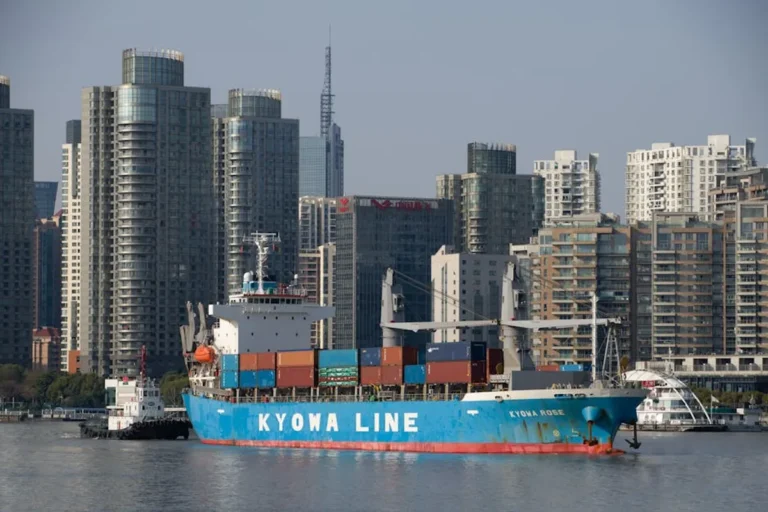
Sea freight is the backbone of global trade for bulk goods and large volumes, offering unparalleled cost-effectiveness and capacity. It relies on a vast network of shipping lanes and ports, utilizing container ships to transport cargo across oceans.
Advantages of Sea Freight
For many businesses, the economic benefits and sheer capacity of sea freight are compelling:
- Cost-Effectiveness: Sea freight is the most economical option for shipping large quantities of goods over long distances. The cost per unit or per kilogram is substantially lower than air freight, making it ideal for non-urgent, high-volume shipments.
- Capacity for Bulk and Oversized Cargo: Container ships can transport massive volumes of goods, including oversized machinery, vehicles, and raw materials that are too large or heavy for air transport. Standardized containers (20-foot, 40-foot) streamline handling and intermodal transport.
- Environmental Footprint: Per ton-mile, sea freight generally has a lower carbon footprint than air freight, appealing to companies with environmental sustainability goals.
- Versatility: Businesses can choose between Full Container Load (FCL) for exclusive use of a container or Less than Container Load (LCL) for smaller shipments that share container space, offering flexibility for various shipment sizes.
Disadvantages of Sea Freight
While economical, sea freight introduces its own set of challenges:
- Transit Time: Sea freight is significantly slower, with international shipments often taking several weeks or even months, depending on the origin, destination, and route. This extended transit time requires careful planning and longer lead times.
- Port Congestion and Delays: Ports can experience congestion, labor disputes, customs delays, and adverse weather conditions, leading to unpredictable schedules and extended transit times. These disruptions can impact supply chain reliability.
- Security Risks: While security measures have improved, sea freight can be more susceptible to theft, piracy, or damage during transit or at ports compared to air freight, necessitating robust insurance coverage.
- Customs Complexity: The sheer volume and diversity of goods shipped by sea can lead to more complex customs clearance procedures and potential delays.
Key Factors Influencing Your Decision
The "better" option is determined by aligning the freight mode with specific operational and financial parameters. A comprehensive evaluation considers several critical factors:
Cost Considerations
Evaluate the total landed cost, which includes not only the freight rate but also insurance, customs duties, warehousing, and inventory holding costs. While air freight has higher direct shipping costs, sea freight's longer transit times can increase inventory carrying costs and the risk of obsolescence for time-sensitive products. Beyond the freight rate itself, understanding freight insurance coverage is vital for a complete picture of landed costs.
Time Sensitivity and Urgency
For products with short shelf lives, seasonal demand, or critical launch dates, air freight's speed often justifies its higher cost. Conversely, for routine replenishment of stable goods, sea freight's longer transit is acceptable.
Cargo Characteristics
The nature of the goods plays a decisive role. Perishables, high-value electronics, and pharmaceuticals often require air freight for speed and security. Bulk commodities, raw materials, and large industrial equipment are typically transported by sea due to their size, weight, and lower unit value.
Reliability and Risk Tolerance
Assess the impact of potential delays on your business. If a delay in receiving goods would severely disrupt production, miss a market opportunity, or incur significant penalties, the higher reliability of air freight may be preferable, even at a premium.
Environmental Impact
For businesses committed to reducing their carbon footprint, sea freight offers a more environmentally friendly option per ton-mile. This can be a factor in corporate sustainability reporting and brand perception.
Pro Tip: Do not solely focus on the quoted freight rate. Calculate the total landed cost, which includes inventory holding costs, potential lost sales due to delays, insurance, and customs duties. A "cheaper" freight option might prove more expensive if it leads to stockouts or increased warehousing expenses.
Making the Optimal Choice for Your Business
There is no one-size-fits-all answer to whether air freight or sea freight is superior. The optimal choice is a dynamic one, requiring a detailed analysis of your specific supply chain needs, product characteristics, and market demands. Many businesses employ a hybrid strategy, utilizing air freight for urgent, high-value, or time-sensitive components and sea freight for bulk, non-urgent, or cost-sensitive goods.
To make an informed decision, consider these scenarios:
- Choose Air Freight when:
- Shipments are urgent (e.g., just-in-time inventory, product launches).
- Goods are high-value, perishable, or require strict security.
- Inventory holding costs are high, making faster transit economically beneficial.
- The destination is landlocked or has limited sea access.
- Choose Sea Freight when:
- Cost is the primary concern, and transit time is flexible.
- Shipments involve large volumes, heavy, or oversized cargo.
- Goods have a long shelf life and stable demand.
- Environmental impact is a significant consideration for your business.
Consulting with experienced freight forwarders can provide tailored advice, leveraging their expertise in global logistics networks, customs regulations, and multimodal transport solutions to optimize your shipping strategy.
Frequently Asked Questions
Which is faster, air or sea freight?
Air freight is significantly faster, typically delivering international shipments in 1-3 days, while sea freight can take several weeks or even months, depending on the route and potential delays.
Is sea freight always cheaper than air freight?
Generally, yes, sea freight is considerably more cost-effective per unit or per kilogram for large volumes. However, total landed cost calculations, including inventory holding and potential lost sales due to longer transit, can sometimes narrow the perceived cost gap.
What types of goods are best suited for air freight?
Air freight is best for high-value items, perishable goods (e.g., fresh produce, flowers), pharmaceuticals, urgent components for manufacturing, and products with short market windows where speed is critical.
Can I combine air and sea freight for a single shipment?
Yes, multimodal or hybrid solutions are common. For example, goods might travel by sea for the main leg and then be transferred to air freight for a faster final leg, or vice-versa, to balance cost and speed for specific supply chain segments.