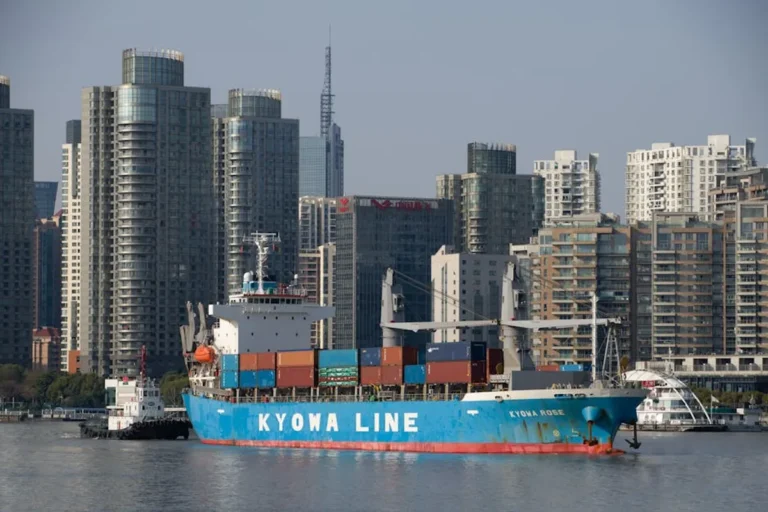
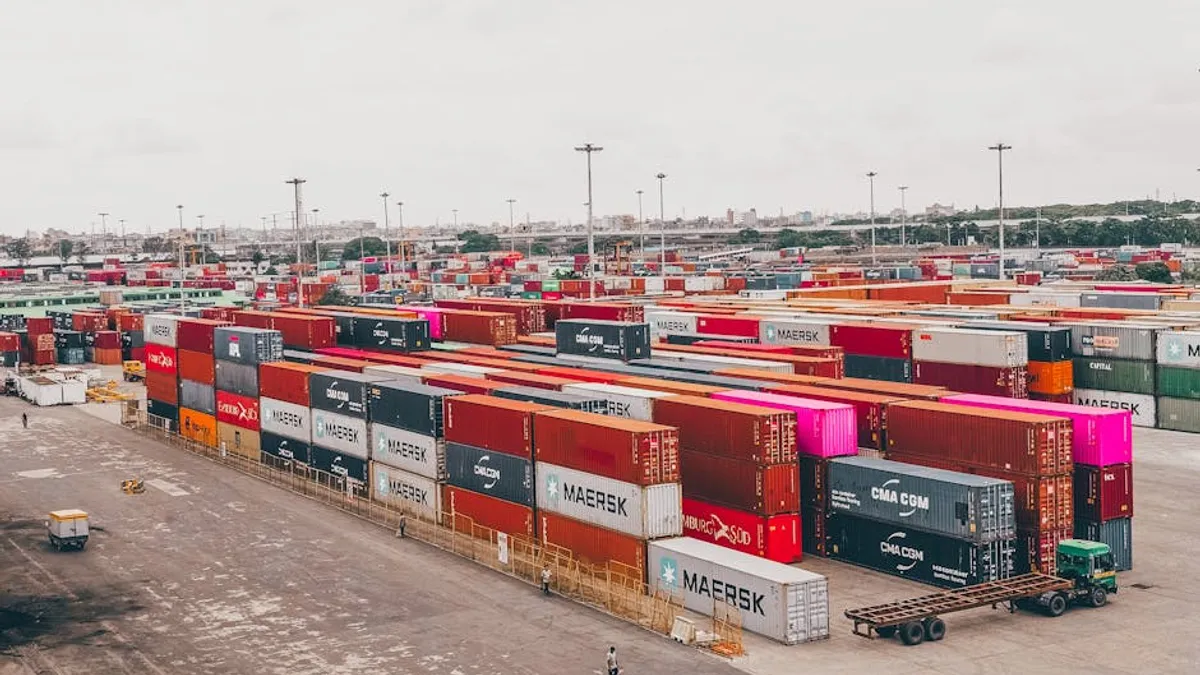
As an importer, your cargo’s journey from origin to destination involves a complex network of logistics, often spanning continents and modes of transport. While carriers are responsible for safe transit, their liability for loss or damage is typically limited by international conventions and their own terms of service. This gap in liability creates a significant financial exposure for your business. Freight insurance bridges that gap, providing financial protection against unforeseen events that can impact your goods during transit. Understanding its nuances is not merely a best practice; it’s a fundamental risk management strategy for maintaining profitability and supply chain stability.
Why Freight Insurance is Non-Negotiable
Many importers mistakenly believe that the carrier’s liability covers all potential losses. In reality, carrier liability is often capped at a minimal amount per pound or kilo, or per shipping unit, which rarely reflects the true value of your goods. For instance, an ocean carrier’s liability might be limited to $500 per package, while an air carrier’s might be set by the Warsaw or Montreal Convention, often around $20 per kilogram. This means that if a container of high-value electronics worth $100,000 is lost, the carrier might only be legally obligated to pay a fraction of that amount, leaving you with a substantial financial deficit. Freight insurance is designed to cover the full commercial value of your goods, plus associated costs like freight charges and anticipated profit, ensuring your investment is fully protected.
Understanding Common Freight Risks
The global supply chain presents numerous points of vulnerability. Identifying these risks is the first step in securing appropriate insurance.
- Physical Loss or Damage: This is the most straightforward risk, encompassing events like goods being crushed, dropped, submerged, or otherwise physically compromised during loading, transit, or unloading. Accidents, natural disasters, and improper handling contribute significantly to this category.
- Theft: Cargo theft remains a persistent issue across all modes of transport. This can range from pilferage of individual items to the hijacking of entire containers or trucks, particularly in transit hubs or unsecured storage facilities.
- General Average: Unique to ocean shipping, General Average is a legal principle where all parties involved in a maritime venture (ship owner, cargo owners) proportionally share the financial loss resulting from a voluntary sacrifice of part of the ship or cargo to save the whole from peril. Without freight insurance, cargo owners must contribute to these costs before their goods are released, even if their specific cargo was undamaged.
- Contamination: Especially relevant for food, pharmaceuticals, or sensitive materials, contamination can occur from exposure to chemicals, other goods, or unsanitary conditions, rendering the cargo unsalable.
- Temperature Deviation: For temperature-sensitive goods, malfunctions in refrigeration units or extreme environmental conditions can lead to spoilage or degradation, resulting in total loss.
Types of Freight Insurance Coverage
Freight insurance policies are broadly categorized by the extent of coverage they offer. The most common framework is provided by the Institute Cargo Clauses (ICC), issued by the International Underwriting Association of London.
Institute Cargo Clauses (A) – All Risk Coverage
Best for: High-value goods, sensitive cargo, or routes with elevated risk profiles.
This is the most comprehensive form of coverage, protecting against all risks of loss or damage to cargo, except for specific exclusions. It covers perils like fire, stranding, sinking, collision, jettison, washing overboard, and theft. However, it explicitly excludes losses due to inherent vice of the goods, ordinary leakage, wear and tear, inadequate packing, war, strikes, and nuclear risks, unless these are specifically added back into the policy through endorsements.
Institute Cargo Clauses (B) – Named Perils Coverage
Best for: General cargo where "All Risk" is deemed excessive, or for cost-conscious importers.
ICC (B) offers a more limited scope, covering specifically named perils. These typically include fire, explosion, stranding, sinking, collision, overturning, derailment, discharge of cargo at a port of distress, earthquake, volcanic eruption, lightning, jettison, washing overboard, and entry of sea, lake, or river water into the vessel, craft, hold, container, or place of storage. It does not cover theft, non-delivery, or rough handling unless directly caused by one of the named perils.
Institute Cargo Clauses (C) – Basic Coverage
Best for: Low-value, non-perishable goods, or situations where minimal protection is acceptable.
This is the most restrictive form of coverage, protecting against only major casualties. Covered perils typically include fire, explosion, stranding, sinking, collision, overturning, and jettison. ICC (C) explicitly excludes theft, general average contributions, and many other common risks covered by ICC (B) and (A). It provides protection primarily against catastrophic events.
Factors Influencing Insurance Premiums
The cost of freight insurance is not arbitrary; it's calculated based on several key variables that assess the likelihood and potential severity of a claim.
- Type of Goods: Fragile, perishable, or high-value commodities (e.g., electronics, pharmaceuticals, luxury goods) command higher premiums due to their increased susceptibility to damage, spoilage, or theft. Bulk commodities like raw materials often have lower rates.
- Mode of Transport: Air freight typically has lower premiums than ocean freight due to shorter transit times and generally lower exposure to risks. Road and rail transport fall in between, with rates varying based on route security and infrastructure quality.
- Route and Destination: Shipping routes through regions known for piracy, political instability, or severe weather patterns (e.g., hurricane zones) will incur higher premiums. Similarly, destinations with inadequate port infrastructure or high rates of cargo theft can increase costs.
- Value of Goods: The declared value of the cargo directly impacts the potential payout, thus influencing the premium. Insurers often calculate premiums as a percentage of the declared value.
- Shipper's History: A history of frequent claims can lead to higher premiums, as it indicates a higher risk profile for the insurer. Conversely, a clean claims record can result in more favorable rates.
Pro Tip: Always review the "Exclusions" section of any policy before committing. Common exclusions include inherent vice (a defect or characteristic of the goods themselves that causes damage), war, strikes, riots, and civil commotions, unless specifically added back into the policy. Underestimating these can leave significant gaps in your coverage.
Key Considerations When Choosing a Policy
Selecting the right freight insurance policy requires a careful evaluation of your specific needs and the policy's terms.
- Valuation Basis: Ensure the policy covers the full commercial value of your goods. This usually means Cost, Insurance, and Freight (CIF) value, which includes the cost of the goods, the cost of freight, and the cost of insurance. Some policies may also cover an additional percentage (e.g., 10-15%) to account for anticipated profit or incidental expenses.
- Deductibles and Exclusions: Understand the deductible (the amount you must pay out-of-pocket before the insurance kicks in) and all exclusions. A lower premium might come with a higher deductible or more exclusions, which could leave you underinsured in a loss scenario.
- Claims Process Efficiency: Research the insurer's reputation for handling claims. A streamlined, transparent, and prompt claims process is critical for minimizing business disruption after a loss.
- Insurer Reputation and Financial Stability: Choose an insurer with a strong financial rating and a proven track record in cargo insurance. Their ability to pay out large claims promptly is paramount.
Maximizing Your Protection as an Importer
Securing freight insurance is an active process that extends beyond simply purchasing a policy. To maximize your protection and ensure a smooth claims process, consider these steps:
Assess Your Needs: Before seeking quotes, conduct a thorough risk assessment of your specific cargo, shipping routes, and modes of transport. Understand the inherent vulnerabilities of your goods and the potential financial impact of various types of loss or damage.
Compare Quotes: Obtain quotes from multiple reputable insurance providers or brokers specializing in marine and cargo insurance. Do not simply opt for the lowest premium; compare the scope of coverage, deductibles, exclusions, and the insurer's claims handling reputation.
Understand the Documentation: Familiarize yourself with all policy documents, including the certificate of insurance, terms and conditions, and claims procedures. Ensure all details, such as cargo description, value, and transit particulars, are accurate and complete. Any discrepancies can jeopardize a claim.
Proper Packing and Labeling: While insurance covers external perils, proper internal packing and clear labeling are fundamental to minimizing damage and facilitating identification. Insurers may deny claims if goods are found to be inadequately packed for the journey.
Timely Reporting of Incidents: In the event of loss or damage, immediately notify the carrier, the insurance provider, and any relevant third parties (e.g., surveyors). Document everything with photographs, detailed reports, and witness statements. Delays in reporting can complicate or invalidate a claim.
Frequently Asked Questions
Is freight insurance mandatory for importers?
No, freight insurance is generally not legally mandatory, but it is highly recommended as a critical risk management tool. While carriers have limited liability, full protection for your cargo's value against unforeseen events is only achieved through dedicated freight insurance.
What is the difference between freight insurance and carrier liability?
Carrier liability is the legal responsibility of the shipping company for loss or damage to goods, typically capped at a low value per unit or weight. Freight insurance, purchased by the importer, provides comprehensive coverage for the full commercial value of the cargo, offering broader protection against various perils beyond the carrier's limited responsibility.
How do I file a freight insurance claim?
To file a claim, immediately notify your insurance provider upon discovery of loss or damage. You will typically need to provide the bill of lading, commercial invoice, packing list, certificate of insurance, survey reports, and photographic evidence. Adhering to strict timelines for notification and documentation is crucial.
Can I insure goods for their selling price?
Yes, many freight insurance policies allow you to insure goods for their Cost, Insurance, and Freight (CIF) value plus an additional percentage (e.g., 10-15%) to cover anticipated profit and incidental expenses. This ensures that in the event of a total loss, you are compensated for more than just the purchase price of the goods.