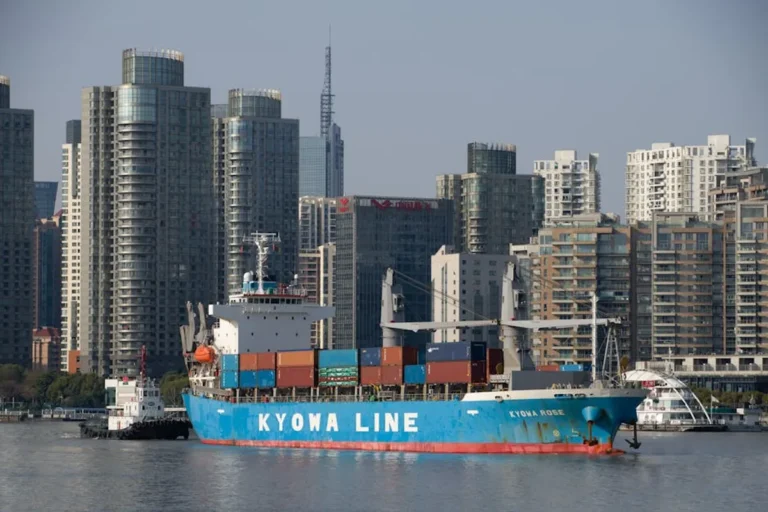

For importers, effective warehouse management extends beyond mere storage; it directly influences supply chain efficiency, cost control, and customer satisfaction. The complexities of international trade—varying lead times, customs regulations, and diverse product specifications—demand a strategic approach to warehousing. Optimizing these operations can mitigate delays, reduce carrying costs, and ensure products reach their destination in optimal condition, ultimately protecting margins and enhancing market reputation. Conversely, inefficient warehouse practices can lead to significant financial losses through damaged goods, stockouts, demurrage, and missed sales opportunities.
Establishing Precise Inventory Control Protocols
Accurate inventory data forms the foundation of all effective warehouse operations for importers. Without it, forecasting becomes unreliable, leading to either overstocking (tying up capital and space) or understocking (resulting in lost sales and expedited shipping costs). Implementing robust inventory control protocols ensures that every unit entering and leaving the warehouse is meticulously tracked.
- Perpetual Inventory Systems: Integrate a system that updates inventory levels in real-time as goods are received, moved, picked, and shipped. This provides an immediate, accurate view of stock on hand, reducing the need for disruptive annual physical counts.
- Cycle Counting: Instead of a full physical inventory, implement regular, small-scale counts of specific inventory sections. This process identifies discrepancies early, maintains accuracy, and minimizes operational downtime. Focus cycle counts on high-value items, fast-moving SKUs, or areas with historical discrepancy rates.
- SKU Rationalization: Regularly review and rationalize your Stock Keeping Units (SKUs). Eliminate redundant or slow-moving items to free up space and reduce carrying costs. For importers, this is especially critical given the potential for diverse product lines from multiple origins.
Optimizing Warehouse Layout and Space Utilization
The physical arrangement of your warehouse directly impacts operational speed and storage capacity. For importers dealing with fluctuating volumes and diverse product dimensions, an adaptable layout is crucial.
Strategic Slotting: Assign specific locations (slots) for products based on their characteristics. Fast-moving items should be placed in easily accessible, front-of-warehouse locations to minimize travel time for pickers. Heavy or bulky items require ground-level or specialized racking. Consider product families or vendor grouping for efficient putaway and retrieval.
Vertical Space Maximization: Utilize the full vertical height of your warehouse. High-density storage solutions such as narrow-aisle racking, multi-level mezzanines, or automated storage and retrieval systems (AS/RS) can significantly increase storage capacity without expanding the physical footprint. This is particularly valuable in urban areas where warehouse space is at a premium.
Dynamic Layout Adjustments: Regularly review and adjust your warehouse layout based on changes in product demand, seasonal fluctuations, or new product introductions. A flexible layout allows for quick adaptation, preventing bottlenecks and optimizing workflow.
Streamlining Receiving and Putaway Processes
The receiving dock is the initial point of entry for imported goods and a critical control point for quality and accuracy. Efficient receiving minimizes congestion and ensures products are quickly available for storage or fulfillment.
Pre-Arrival Planning: Coordinate with suppliers and carriers to receive advance shipping notices (ASNs). This allows the warehouse team to prepare dock doors, allocate staff, and pre-plan putaway locations before the shipment arrives. For international shipments, ASNs are vital for customs clearance preparation.
Quality Control at Receiving: Implement a robust inspection process immediately upon arrival. Check for damage, verify quantities against the packing list and purchase order, and ensure product specifications match. Document any discrepancies or damage promptly to facilitate claims against carriers or suppliers.
Direct Putaway or Cross-Docking: For items with immediate demand, consider cross-docking—moving goods directly from the receiving dock to the outbound shipping dock with minimal or no storage. For other items, establish clear putaway rules to direct products to their optimal storage locations quickly, minimizing staging area congestion.
Pro Tip: For importers, maintaining impeccable customs documentation is non-negotiable. Any discrepancy between physical goods, commercial invoices, and customs declarations can lead to severe delays, fines, or even seizure. Implement a multi-stage verification process for all inbound paperwork before goods even reach the port, and a final check at the receiving dock.
Leveraging Technology for Enhanced Operations
Modern warehouse management relies heavily on technology to automate processes, improve visibility, and enhance decision-making. For importers, these tools can bridge geographical distances and improve coordination across a global supply chain.
Warehouse Management Systems (WMS): A WMS is central to optimizing warehouse operations. It manages inventory, tracks movements, directs picking and putaway, and provides real-time data on stock levels and order status. A robust WMS can integrate with enterprise resource planning (ERP) systems and customs brokerage software, providing a unified view of your imported goods.
Barcode and RFID Integration: Utilize barcode scanners or Radio-Frequency Identification (RFID) technology for rapid and accurate data capture. These tools significantly reduce manual data entry errors during receiving, putaway, picking, and shipping, improving overall inventory accuracy and operational speed.
Data Analytics and Reporting: Implement systems that capture and analyze operational data. Key performance indicators (KPIs) such as receiving accuracy, putaway time, order picking accuracy, and shipping lead times provide actionable insights. Regular analysis helps identify bottlenecks, optimize workflows, and inform strategic decisions about staffing, layout, and equipment investments.
Implementing a Resilient Warehouse Strategy
Effective warehouse management for importers is an ongoing process of optimization and adaptation. By focusing on precise inventory control, intelligent space utilization, streamlined processes, and strategic technology adoption, businesses can transform their warehouses from cost centers into competitive advantages. Regularly reviewing performance metrics, investing in staff training, and staying abreast of supply chain innovations are crucial steps in building a resilient and efficient import operation that can navigate the complexities of global trade.
Frequently Asked Questions
What is the primary benefit of a Warehouse Management System (WMS) for importers?
A WMS provides real-time visibility into inventory levels and locations, automates many manual processes, and integrates with other supply chain systems. For importers, this means better tracking of goods from port to final delivery, improved accuracy in order fulfillment, and enhanced compliance with customs regulations through integrated data.
How can importers reduce carrying costs associated with warehousing?
Reducing carrying costs involves optimizing inventory levels through accurate forecasting, implementing just-in-time (JIT) principles where feasible, and improving warehouse space utilization. Strategies include SKU rationalization, strategic slotting, and leveraging vertical space to minimize the physical footprint required for storage.
What role does customs compliance play in warehouse management for imported goods?
Customs compliance is critical. Importers must ensure all goods are correctly classified, valued, and documented to avoid delays, penalties, or seizure. Utilizing bonded warehouses can defer duties and taxes until goods are released for domestic consumption, offering financial flexibility and streamlining customs processes.
What are common challenges in warehouse management for importers?
Common challenges include managing fluctuating inventory volumes, navigating complex customs regulations, dealing with diverse product types and sizes, optimizing space in high-cost locations, and ensuring data accuracy across a global supply chain. Labor availability and training for specialized handling are also frequent concerns.