
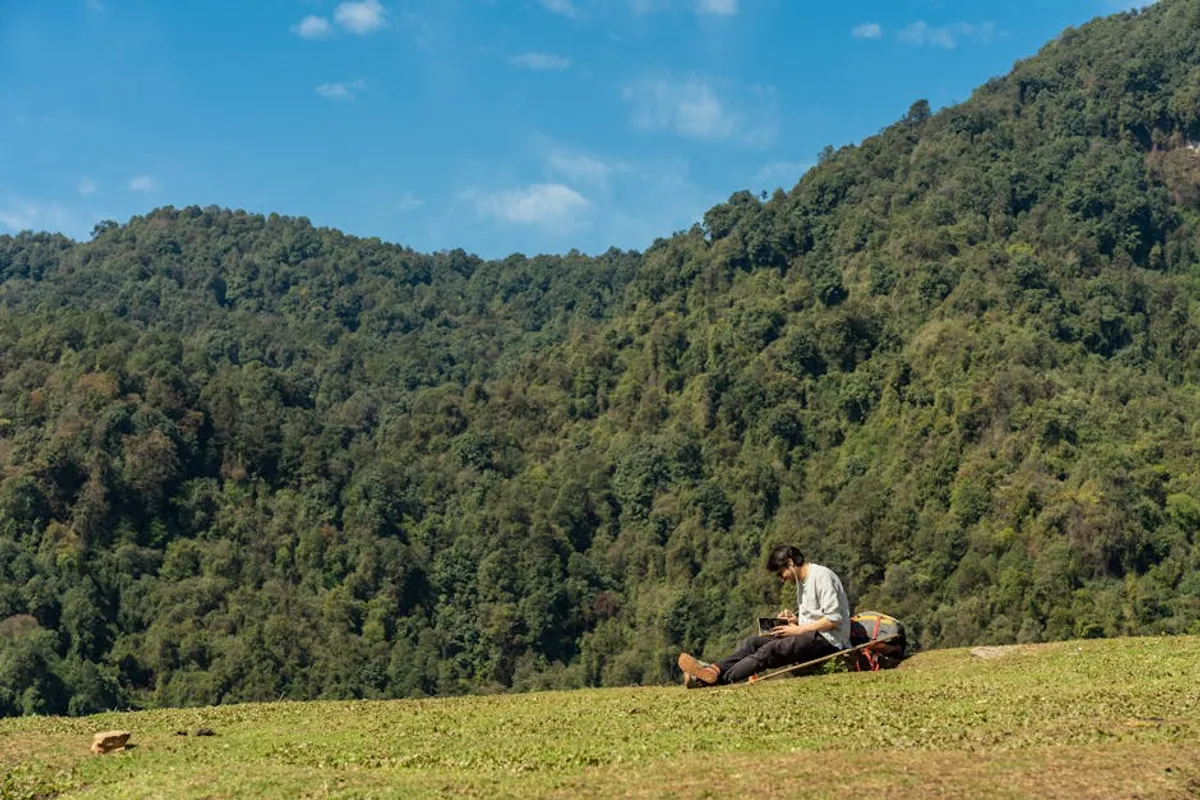
Jibhi, nestled in the Tirthan Valley of Himachal Pradesh, offers a distinct alternative to the more frequented mountain destinations. This guide provides a focused overview for travelers considering a retreat into the Himalayas, detailing key attractions, essential activities, and practical advice for navigating the region. Unlike bustling tourist hubs, Jibhi prioritizes a slower pace, making it suitable for those seeking immersion in nature, trekking opportunities, and a break from urban environments. Understanding the specific logistics and local nuances outlined here will inform your planning, ensuring a visit aligned with Jibhi’s unique character.
Discovering Jibhi: An Overview
Jibhi is a small, picturesque hamlet situated at an altitude of approximately 5,250 feet (1,600 meters) in the Banjar Valley, adjacent to the Great Himalayan National Park (GHNP). Its landscape is characterized by dense pine and deodar forests, traditional Himachali architecture, and the gurgling Jibhi Stream. The area maintains a relatively untouched feel, attracting travelers who prioritize tranquility over commercialized amenities. The local economy largely revolves around agriculture and emerging tourism, with a strong emphasis on preserving the natural environment and cultural heritage.
Essential Experiences in Jibhi
Cascading Waterfalls and Serene Lakes
Jibhi’s natural allure is significantly enhanced by its water features, providing both visual appeal and opportunities for light exploration.
- Jibhi Waterfall: Located a short, accessible walk from the main village, this waterfall is a multi-tiered cascade surrounded by lush greenery. A small wooden bridge and seating areas allow for close appreciation. The path is well-maintained, suitable for most fitness levels, and requires no specialized gear.
- Serolsar Lake: Reaching Serolsar Lake involves a moderate trek of approximately 6 kilometers from Jalori Pass, situated at an elevation of 10,500 feet (3,200 meters). The lake is considered sacred, surrounded by a dense forest of deodar trees, and features a small temple dedicated to Budhi Nagini Devi. The trek itself offers panoramic views of the surrounding mountains and is best undertaken with appropriate footwear and water.
Trekking Trails and Panoramic Vistas
The region surrounding Jibhi is a network of trails catering to various difficulty levels, offering access to historical sites and expansive mountain views.
- Chehni Kothi: This historic tower-temple, approximately 1.5 hours' walk from Jibhi (or a shorter drive to Shringa Rishi Temple followed by a trek), stands as a prime example of traditional Himachali architecture. The multi-storied structure, built with stone and wood, offers insights into local craftsmanship and defensive strategies. The trek involves an uphill climb through apple orchards and small villages.
- Raghupur Fort: A more challenging trek from Jalori Pass (around 3 kilometers one way), Raghupur Fort offers 360-degree views of the Outer Himalayas. While the fort itself is largely in ruins, the expansive meadows and the sweeping vistas make the effort worthwhile, particularly during clear weather. The trail can be steep in sections.
Exploring Local Culture and Architecture
Beyond natural attractions, Jibhi provides opportunities to engage with the local way of life and distinctive building styles.
The villages around Jibhi, such as Shoja and Gushaini, showcase traditional Himachali homes constructed from local timber and stone. These structures are often multi-storied, designed to withstand harsh winters, and feature intricate wood carvings. Engaging with local residents, often through homestay experiences, offers direct exposure to their customs, cuisine, and agricultural practices. Observing the architecture provides context for the region's historical resilience and resourcefulness.
Planning Your Jibhi Journey
Optimal Visiting Seasons
The ideal time to visit Jibhi depends on desired activities and weather preferences:
- March to May: Spring offers pleasant temperatures (10°C to 25°C), blooming rhododendrons, and clear skies, ideal for trekking and outdoor activities.
- September to November: Autumn brings crisp air, stable weather, and vibrant foliage, with temperatures ranging from 5°C to 20°C. This period is excellent for photography and exploring.
- December to February: Winter transforms Jibhi into a snowy landscape, with temperatures often dropping below freezing. This is suitable for snow lovers, though some roads and trails may be inaccessible.
- June to August: Monsoon season brings heavy rainfall, making trekking difficult and increasing the risk of landslides. While the landscape is lush, visibility can be poor.
Reaching Jibhi: Connectivity Options
Jibhi is accessible primarily by road, with the nearest major transportation hubs offering varying degrees of convenience:
- By Air: The nearest airport is Kullu-Manali Airport (Bhuntar), approximately 60 kilometers away. From Bhuntar, taxis or local buses are available to Jibhi.
- By Rail: The closest major railway station is Ambala Cantt (UMB) or Chandigarh (CDG), both significant distances (around 250-300 km). From these stations, overnight buses or private taxis to Aut or Bhuntar are the most common next steps, followed by local transport to Jibhi.
- By Road: Jibhi is well-connected by road from major cities like Delhi and Chandigarh. Overnight buses run to Aut, from where local buses or shared taxis complete the journey into Jibhi. The route involves navigating mountain roads, which can be winding.
Accommodation and Local Logistics
Accommodation in Jibhi ranges from traditional guesthouses and homestays to riverside camps and boutique cottages. Booking in advance, especially during peak seasons, is advisable. Mobile network connectivity can be intermittent, with BSNL often providing the most reliable service, though other providers may have limited coverage in certain areas. ATMs are scarce in Jibhi itself; the nearest ones are typically found in Banjar or Aut, so carrying sufficient cash is recommended.
Pro Tip: While Jibhi is generally safe, always inform your accommodation host or a local guide about your trekking plans, especially for longer or more remote trails. Weather conditions in the mountains can change rapidly, and having someone aware of your itinerary is a crucial safety measure.
Practical Advice for Travelers
When packing for Jibhi, prioritize layers of clothing suitable for varying temperatures, even in warmer months. Sturdy, waterproof trekking shoes are essential for exploring trails and navigating potentially uneven terrain. A basic first-aid kit, insect repellent, sunscreen, and a power bank are also practical additions. Respecting local customs, such as dressing modestly when visiting religious sites and asking permission before photographing people, contributes to a positive cultural exchange. Engage with local guides for treks; their knowledge of the terrain, flora, and fauna enhances the experience and supports the local economy.
Maximizing Your Jibhi Experience
To fully appreciate Jibhi, adopt a mindset geared towards slow travel and immersion. Prioritize early morning walks to experience the valley's tranquility before daily activities commence. Engage with local vendors and artisans; their products often reflect the region's unique heritage. Consider spending at least three to four full days to explore the main attractions without feeling rushed and to allow for unplanned discoveries. Embrace the limited connectivity as an opportunity to disconnect and focus on the immediate surroundings. Jibhi rewards those who seek genuine engagement with nature and local culture, offering a restorative escape from more conventional travel itineraries.
Frequently Asked Questions About Jibhi
Is Jibhi suitable for solo travelers?
Yes, Jibhi is generally considered safe for solo travelers. The local community is welcoming, and many guesthouses are accustomed to hosting individuals. However, standard precautions regarding personal safety and informing others of your plans apply.
What kind of food is available in Jibhi?
Local Himachali cuisine, often prepared with fresh, seasonal ingredients, is widely available, particularly in homestays. Expect dishes like Siddu, Rajma Chawal, and local curries. Cafes also offer Indian and some continental options.
Are there any medical facilities in Jibhi?
Jibhi has basic medical assistance available. For more serious medical emergencies, the nearest well-equipped hospitals are in Kullu or Mandi, which are several hours away. It's advisable to carry any essential personal medications.
Is it necessary to pre-book accommodation in Jibhi?
During peak seasons (March-June and September-November) and long weekends, pre-booking accommodation is highly recommended due to limited options. During off-peak times, you might find walk-in availability, but booking ahead ensures your preferred choice.