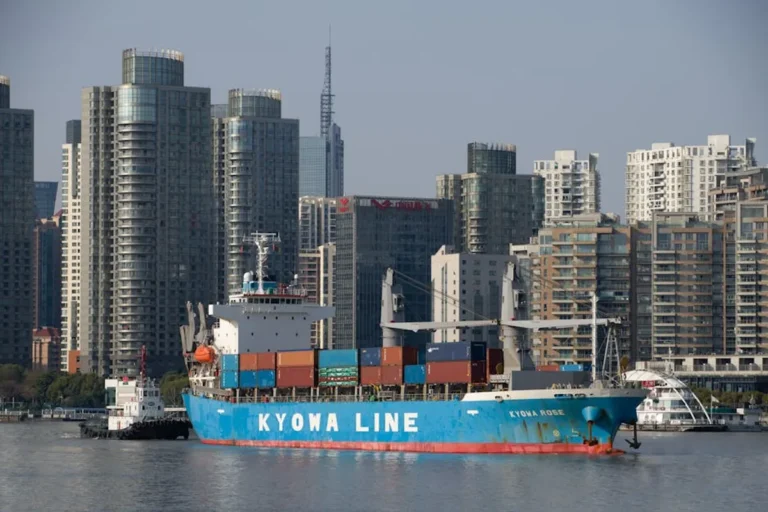

Planning for Peak Season Shipping Success
Peak shipping seasons, driven by events like Black Friday, Cyber Monday, and holiday surges, represent critical revenue opportunities for businesses. However, they also introduce significant logistical challenges: increased order volumes, potential carrier delays, and heightened customer expectations for rapid delivery. Effective planning is not merely about anticipating demand; it's about building a resilient, scalable shipping infrastructure that can absorb pressure without compromising service quality or profitability. A proactive, data-driven approach allows businesses to mitigate risks, control costs, and maintain customer satisfaction when order volumes spike.
Forecasting Demand Accurately
Precision in forecasting underpins all subsequent peak season preparations. Underestimating demand leads to stockouts and missed sales; overestimating results in excess inventory and carrying costs. The goal is to project sales volumes with enough granularity to inform inventory levels, staffing, and shipping capacity.
Leveraging Historical Data and Market Trends
Analyze sales data from previous peak seasons, noting year-over-year growth, product-specific trends, and regional variations. Look beyond raw numbers to understand the impact of past promotions, marketing campaigns, and external factors like economic shifts or major news events. Supplement internal data with external market research, industry forecasts, and competitor activity to refine projections. Consider macro trends like e-commerce growth rates, consumer spending habits, and supply chain disruptions that could influence purchasing behavior.
Incorporating Promotional Calendars
Integrate your marketing and promotional schedule directly into your forecast. Specific sales events, new product launches, or flash deals will create distinct spikes in order volume that standard historical data alone might not predict. Coordinate with marketing teams early to understand the scope and timing of all planned campaigns, allowing for adjustments to inventory, labor, and carrier bookings well in advance.
Optimizing Carrier Relationships and Services
Your choice of shipping partners and the terms of your agreements directly impact speed, reliability, and cost during peak periods. Proactive engagement with carriers is essential.
Negotiating Volume Discounts and Service Level Agreements
Engage with carriers months before peak season to discuss anticipated volumes. Leverage this commitment to negotiate favorable rates, especially for high-volume shipping lanes or specific service tiers. Crucially, establish clear Service Level Agreements (SLAs) that define expected transit times, delivery success rates, and procedures for handling exceptions or delays. These agreements provide a baseline for performance and accountability.
Diversifying Carrier Options
Relying on a single carrier during peak season introduces significant risk. If that carrier experiences unexpected delays, capacity issues, or labor shortages, your entire operation can grind to a halt. Establish relationships with multiple carriers (e.g., national, regional, and specialized local couriers) to create redundancy. This allows you to shift volume as needed, compare service performance, and maintain flexibility when one provider faces challenges.
Best for: Mitigating risk and ensuring consistent delivery times across varied geographic regions.
Warehouse and Inventory Management Strategies
Efficient internal operations are as critical as external shipping partnerships. Your warehouse must be ready to process increased throughput without bottlenecks.
Pre-positioning Inventory
Move fast-selling items or seasonal products closer to shipping zones or into strategically located fulfillment centers well before the peak surge. This reduces picking and packing times, minimizes internal travel distances, and can shorten last-mile delivery times. Utilize demand forecasts to identify which SKUs warrant pre-positioning.
Implementing Dynamic Slotting
Reconfigure warehouse layouts to optimize for peak season. Place high-volume items in easily accessible locations. Group complementary products together to reduce travel time for pickers. Regularly analyze order data to identify new picking patterns and adjust slotting accordingly, maximizing efficiency within your existing footprint.
Technology Integration for Efficiency
Leveraging the right technology can automate processes, reduce human error, and provide real-time visibility, all critical during high-stress periods.
Utilizing Warehouse Management Systems (WMS)
A robust WMS automates inventory tracking, optimizes picking routes, manages putaway, and directs labor. During peak, this system can handle the increased transaction volume, ensuring accuracy and speed from receiving to dispatch. Look for features like wave picking, batch processing, and integration with shipping software.
Implementing Order Management Systems (OMS)
An OMS centralizes order processing from various sales channels, providing a single source of truth for inventory availability and order status. It can route orders to the most efficient fulfillment location, manage backorders, and provide customers with accurate tracking information, reducing the burden on customer service during peak volume.
Pro Tip: Conduct thorough stress tests of your WMS and OMS integrations with simulated peak season order volumes at least 4-6 weeks before the actual surge. Identify and resolve potential bottlenecks in your systems before they impact live operations.
Staffing and Training for Peak Operations
Even with advanced technology, human capital remains a critical component of peak season success.
Proactive Recruitment and Cross-Training
Begin recruiting seasonal staff months in advance to allow ample time for onboarding and training. Cross-train existing employees across multiple roles (e.g., picking, packing, shipping, customer service) to create a flexible workforce that can adapt to shifting demands and cover absences. Clear, standardized training protocols ensure new hires quickly become productive.
Performance Incentives
Consider implementing performance-based incentives for warehouse and shipping staff during peak season. Bonuses for exceeding picking rates, maintaining accuracy, or achieving specific shipping targets can boost morale and productivity, helping to manage the increased workload effectively.
Contingency Planning and Risk Mitigation
Despite meticulous planning, unforeseen issues can arise. A solid contingency plan minimizes disruption.
Backup Carrier Agreements
Beyond diversifying carriers, have explicit backup agreements in place for overflow or emergency situations. This might involve pre-negotiated rates with a third-party logistics (3PL) provider or alternative carriers specifically for peak season surge capacity. Understand their cutoff times, service guarantees, and integration requirements.
Emergency Inventory Buffers
Maintain a small, strategic buffer of your highest-demand products in a readily accessible location. This emergency stock can prevent immediate stockouts if a primary shipment is delayed or if demand unexpectedly exceeds forecasts. While it incurs carrying costs, the cost of lost sales and customer dissatisfaction is often higher.
Executing Your Peak Season Plan
Successful peak season shipping hinges on meticulous preparation and agile execution. Start planning early, leverage data for accurate forecasting, and build robust relationships with your carriers. Invest in technology that streamlines operations and empower your team with comprehensive training and support. By establishing clear contingency plans, you can navigate unexpected challenges and convert peak demand into sustained commercial growth.
Frequently Asked Questions
When should businesses start planning for peak season shipping?
Businesses should initiate peak season planning at least 6-9 months in advance. This timeline allows for accurate forecasting, carrier negotiations, technology audits, and the recruitment and training of seasonal staff, ensuring all components are ready well before the surge.
How can I reduce shipping costs during peak season?
Reducing peak season shipping costs involves negotiating volume discounts with multiple carriers, optimizing packaging to minimize dimensional weight, consolidating shipments where possible, and utilizing strategically located fulfillment centers to reduce last-mile expenses.
What are common challenges during peak season shipping?
Common challenges include carrier capacity limitations, increased shipping rates, potential delivery delays, labor shortages in warehouses, and managing heightened customer expectations for fast, accurate deliveries, all of which can impact profitability and customer satisfaction.
Should I use a 3PL for peak season fulfillment?
Utilizing a 3PL (third-party logistics provider) can be highly beneficial for peak season, especially for businesses experiencing rapid growth or those lacking internal capacity. A 3PL can offer scalable warehousing, optimized shipping rates, and specialized expertise, allowing you to focus on core business operations.