Navigating the complexities of international trade presents a significant opportunity for small businesses seeking to optimize costs and expand product lines. Importing from China, specifically, offers access to extensive manufacturing capabilities and competitive pricing. However, this advantage comes with a distinct set of challenges, ranging from supplier vetting and quality control to logistics and customs compliance. A structured approach is essential to mitigate risks and ensure a profitable venture.
Establishing a Sourcing Strategy
The initial phase of importing from China involves identifying and vetting potential suppliers. This is a critical step, as the reliability and quality of your product directly depend on your manufacturing partner. Direct engagement through B2B platforms like Alibaba or Global Sources is common, offering broad access to manufacturers. However, these platforms require rigorous due diligence to distinguish legitimate, high-quality suppliers from less reputable options.
Beyond online directories, consider:
- Trade Shows: Events like the Canton Fair provide direct interaction with factory representatives, allowing for immediate product inspection and relationship building.
- Sourcing Agents: These professionals act as intermediaries, leveraging local knowledge and language skills to find and vet suppliers, negotiate terms, and oversee production. Their fees are typically a percentage of the order value or a flat rate, but their expertise can significantly reduce risk and save time.
- Factory Audits: Before committing to a large order, arrange for a third-party audit of the factory. This verifies production capacity, quality management systems, and ethical labor practices.
Key consideration: Always verify business licenses and export credentials. Request references and conduct video calls to assess communication effectiveness and transparency.
Product Vetting and Quality Control
Once potential suppliers are identified, the focus shifts to ensuring product quality. This phase is non-negotiable for protecting your brand reputation and minimizing returns.
Warning: Never bypass product sampling. A physical sample is your primary defense against quality discrepancies and ensures the product meets your exact specifications before mass production begins. Evaluate the sample for material quality, functionality, finish, and packaging suitability.
Establish clear specifications, including detailed drawings, material requirements, color codes (Pantone or RAL), and tolerance levels. Implement a multi-stage quality control plan:
Pre-Production Inspection (PPI)
This occurs after materials are sourced but before mass production starts. It verifies that the factory has the correct materials and components and that initial production processes align with your standards.
During Production Inspection (DUPRO)
Conducted when 20-50% of the order is complete, DUPRO checks for consistency in quality throughout the production run. This allows for corrective actions to be taken early, preventing an entire batch from being flawed.
Pre-Shipment Inspection (PSI)
Performed when 80-100% of the order is packed and ready for shipment. PSI is the final check for product quality, quantity, packaging, and labeling against your purchase order and specifications. This is often the most critical inspection.
Negotiating Terms and Contracts
Effective negotiation secures favorable terms and minimizes future disputes. Focus on Minimum Order Quantities (MOQs), unit pricing, payment terms, and Incoterms.
Payment Terms
Standard practice often involves a deposit (e.g., 30%) upfront and the remaining balance (e.g., 70%) upon completion of production or before shipment. For new relationships, consider using escrow services or a Letter of Credit (L/C) for added security, though L/Cs can be more complex and costly.
Incoterms
These internationally recognized trade terms define the responsibilities of buyers and sellers for the delivery of goods under sales contracts. Common Incoterms for importing from China include:
- EXW (Ex Works): The seller makes the product available at their premises. The buyer bears all costs and risks of transporting the goods from the factory.
- FOB (Free on Board): The seller delivers the goods on board the vessel nominated by the buyer at the named port of shipment. The seller covers costs until the goods are loaded. Buyer assumes risk and costs once goods are on board.
- CIF (Cost, Insurance and Freight): The seller pays for the cost and freight to bring the goods to the named port of destination. The seller also procures marine insurance against the buyer's risk of loss or damage during carriage. Risk transfers to the buyer once goods are on board the vessel.
Consider: The choice of Incoterm significantly impacts your landed cost and control over the shipping process. FOB is often preferred by experienced importers as it allows them to choose their own freight forwarder and control shipping costs.
Shipping and Logistics
Efficient logistics are crucial for timely delivery and cost management. This involves selecting appropriate shipping methods and managing customs clearance.
Freight Forwarders
Partnering with a reliable freight forwarder is highly recommended. They handle the complexities of international shipping, including booking cargo space, preparing documentation, and coordinating with customs brokers. Request quotes from multiple forwarders to compare rates and services.
Shipping Methods
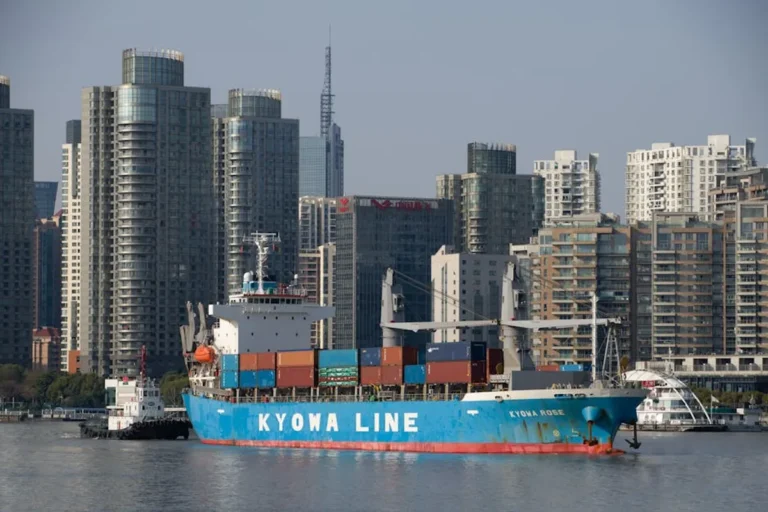
- Sea Freight: Cost-effective for large volumes and non-urgent shipments. Can be Full Container Load (FCL) for exclusive use of a container or Less than Container Load (LCL) for smaller shipments sharing container space. Transit times are typically 3-6 weeks.
- Air Freight: Faster but significantly more expensive, suitable for high-value, time-sensitive, or smaller shipments. Transit times are usually 3-7 days.
Practical tip: Always factor in lead times, production schedules, and transit times when planning your inventory to avoid stockouts.
Customs and Compliance
Navigating customs regulations is a mandatory aspect of importing. Missteps can lead to delays, fines, or seizure of goods.
Harmonized System (HS) Codes
Every product has a unique HS code, which determines tariffs and duties. Ensure your supplier provides the correct HS code, and verify it with your customs broker. Incorrect codes can lead to overpayment or underpayment of duties, triggering audits.
Import Duties and Taxes
These vary based on the product's HS code, country of origin, and trade agreements. Understand all applicable duties, value-added taxes (VAT), and other fees before importing to accurately calculate your landed cost.
Product Certifications and Standards
Depending on your product and target market, specific certifications may be required (e.g., CE marking for products sold in the EU, FCC for electronics in the US, RoHS for hazardous substance restrictions). Ensure your supplier can provide proof of compliance.
Actionable step: Work closely with a customs broker. They possess expertise in import regulations, documentation, and duty calculations, streamlining the clearance process.
Risk Mitigation and Continuous Improvement
Importing from China carries inherent risks, but proactive strategies can minimize their impact. Protect your intellectual property by registering trademarks and patents in China, and include IP clauses in your supplier contracts. Diversify your supplier base over time to reduce reliance on a single factory. Maintain open and clear communication channels, addressing issues promptly and professionally.
Strategic Implementation for Sustainable Importing
Successfully importing from China for a small business requires a systematic approach, robust due diligence, and continuous learning. Begin with thorough supplier vetting, establish stringent quality control protocols, and negotiate clear, comprehensive contracts. Partner with experienced logistics providers and customs brokers to navigate the complexities of shipping and compliance. By focusing on these foundational elements, small businesses can leverage the advantages of global sourcing while effectively managing the associated risks, building a resilient supply chain for long-term growth.
Frequently Asked Questions
Do I need a special license to import goods from China?
Generally, a specific import license is not required for most products in many countries. However, you will need an importer of record number (often your business's tax ID) and must comply with all product-specific regulations, such as safety standards or labeling requirements, enforced by government agencies.
How can I ensure my intellectual property is protected when working with Chinese suppliers?
Register your trademarks and patents in China before engaging with suppliers. Include non-disclosure and intellectual property clauses in your manufacturing agreements. While not foolproof, these steps provide a legal basis for protection and demonstrate your seriousness.
What is the typical lead time for importing from China?
Lead times vary significantly. Production can take 2-8 weeks, depending on product complexity and order volume. Sea freight typically adds another 3-6 weeks for transit, plus customs clearance. Air freight is faster, reducing transit to 3-7 days. Overall, plan for 6-12 weeks from order placement to goods arriving at your facility.
What are the common hidden costs when importing from China?
Beyond unit cost and basic shipping, anticipate costs for customs duties, import taxes (like VAT or GST), cargo insurance, port handling fees, customs brokerage fees, quality inspection services, and potential demurrage or detention charges if there are delays in clearance. Always request a detailed breakdown of all costs to calculate your true landed cost.