
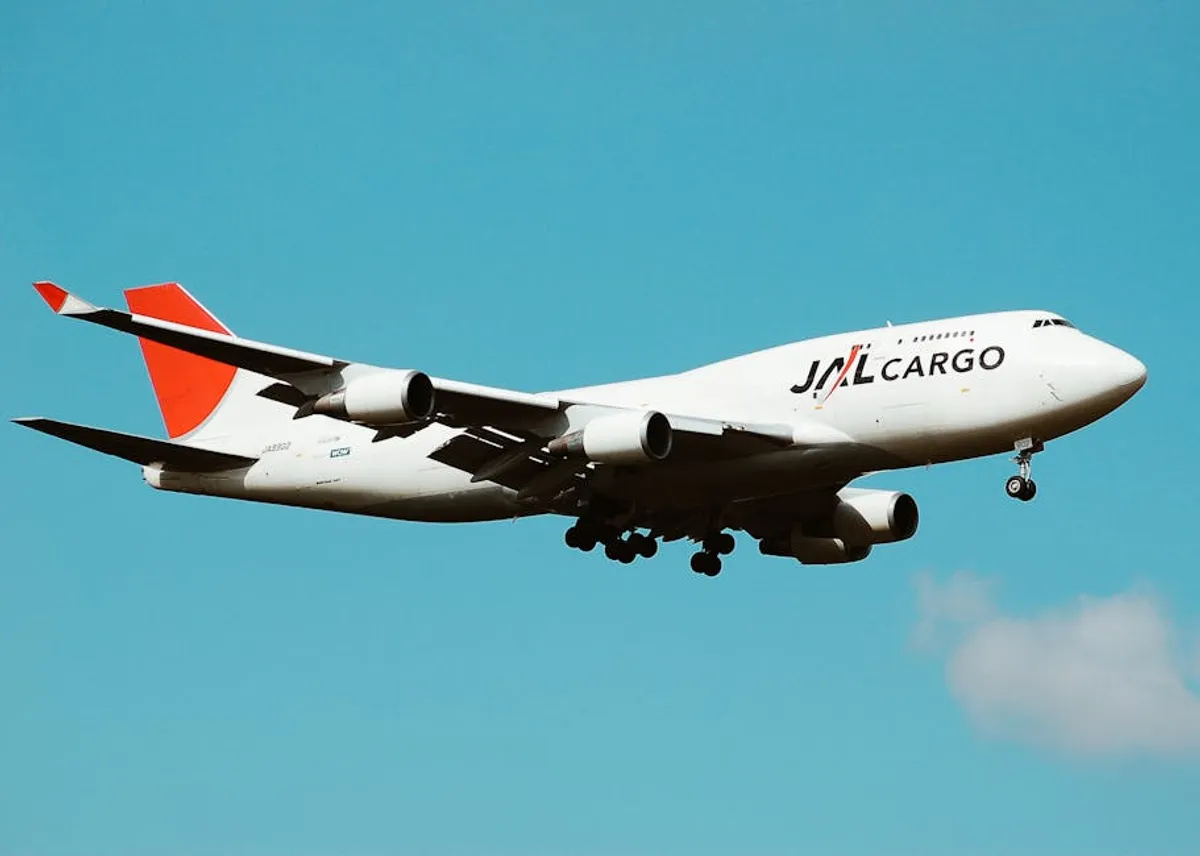
Navigating air cargo logistics demands meticulous attention to documentation. An incomplete or inaccurate paperwork submission is not a minor oversight; it directly translates to shipment delays, customs penalties, storage fees, and potential legal complications. For businesses reliant on timely international freight, a robust documentation checklist is not merely a formality but a critical operational safeguard, ensuring compliance, expediting customs clearance, and mitigating financial risk.
Core Air Waybill (AWB) Components
The Air Waybill (AWB) serves as the fundamental contract of carriage between the shipper and the airline, acting as a receipt for goods, a freight bill, and a customs declaration. Its accuracy is paramount, as discrepancies can halt shipments at any stage.
Shipper and Consignee Details
Accurate identification of both the shipper and the consignee is non-negotiable. This includes full legal names, complete physical addresses (no P.O. boxes), contact phone numbers, and email addresses. Errors here can lead to misdelivery, customs holds, or the inability to contact parties for clarification, causing significant delays.
Carrier and Flight Information
The AWB must clearly state the issuing carrier, the specific flight number, and the scheduled departure date. This information links the physical goods to their intended journey, allowing for tracking and regulatory oversight. Incorrect flight details can result in cargo being loaded onto the wrong aircraft or held until corrected.
Goods Description and Quantity
A precise description of the cargo, including its nature, quantity (number of pieces), gross weight, and volume, is essential. Generic descriptions like "parts" are insufficient; specific details such as "10 cartons of automotive brake pads" are required. This clarity aids customs in classification, verifies cargo against manifest, and helps determine appropriate handling.
Declared Value and Charges
The declared value for customs and insurance purposes must be explicitly stated. This figure influences duties, taxes, and potential liability limits. Furthermore, all applicable charges, including freight costs, surcharges, and any declared value charges, need to be itemized. Transparency in pricing and valuation prevents disputes and ensures correct billing.
Essential Supporting Documents
Beyond the AWB, several supporting documents are routinely required, each serving a distinct purpose in validating the shipment's contents, origin, and legality.
Commercial Invoice
This document details the transaction between the exporter and importer. It must include a clear description of goods, unit price, total value, terms of sale (Incoterms), and currency. Customs authorities use the commercial invoice to assess duties and taxes, making its accuracy critical for financial compliance.
Packing List
The packing list provides an itemized account of the contents of each package within a shipment, including dimensions, weight, and marks. Unlike the commercial invoice, it does not include pricing information. It assists customs in physical inspection, helps handlers verify cargo, and allows the consignee to check received goods against the order.
Certificate of Origin
A Certificate of Origin (COO) declares the country where the goods were manufactured, produced, or processed. This document is often required for preferential duty treatment under free trade agreements or to comply with specific import regulations. Without a valid COO, goods may face higher tariffs or be denied entry.
Export/Import Licenses and Permits
Certain goods, such as controlled substances, dual-use items, or specific technologies, require special licenses or permits for export from the origin country and import into the destination country. Failing to secure these prior to shipment can lead to immediate seizure, fines, and legal action.
Dangerous Goods Declaration (if applicable)
For shipments containing hazardous materials, a Dangerous Goods Declaration (DGD) is mandatory. This document, prepared by a certified individual, details the UN number, proper shipping name, class, packing group, quantity, and emergency contact information. Non-compliance with DGD requirements poses significant safety risks and incurs severe penalties.
Security Declaration
Many air cargo security programs, such as those mandated by TSA or EU regulations, require a security declaration from the shipper. This confirms that the cargo has been secured according to prescribed standards and is free from unauthorized interference. It's a critical component in maintaining air cargo security integrity.
Specific Cargo Considerations
Certain types of cargo demand additional documentation and adherence to specialized handling protocols due to their nature or value.
Perishable Goods
Shipments like fresh produce, flowers, or certain chemicals require health certificates, phytosanitary certificates, or veterinary certificates, depending on the commodity and destination. These documents certify that the goods meet health and safety standards and are free from pests or diseases.
Live Animals
Transporting live animals necessitates health certificates, vaccination records, import permits, and sometimes CITES (Convention on International Trade in Endangered Species of Wild Fauna and Flora) permits for protected species. Compliance ensures animal welfare and prevents the spread of disease.
Pharmaceuticals and Temperature-Controlled Shipments
Pharmaceuticals, vaccines, and other temperature-sensitive items often require detailed temperature logs, Good Distribution Practice (GDP) compliance statements, and specific packaging declarations. Maintaining an unbroken cold chain and documenting it is crucial for product efficacy and regulatory approval.
High-Value Goods
For high-value items, additional insurance certificates, detailed security plans, and specific customs declarations regarding their value and nature may be required. This protects against loss and ensures appropriate duty assessment for luxury goods or valuable commodities.
Digital Documentation and Compliance
The air cargo industry is increasingly moving towards digital documentation, streamlining processes and enhancing data accuracy.
Electronic Air Waybill (e-AWB)
The e-AWB replaces the traditional paper AWB, allowing for electronic data interchange directly with airlines and customs authorities. Adoption of e-AWB reduces processing times, minimizes errors, and improves traceability, but requires compatible systems and adherence to IATA standards.
Data Accuracy and Submission Deadlines
Regardless of format, the accuracy of submitted data remains critical. Electronic systems often have strict validation rules. Furthermore, many customs regimes impose advance cargo information (ACI) requirements, mandating electronic submission of manifest data several hours before flight departure. Missing these deadlines results in fines and shipment delays.
Pro Tip: Inaccurate or incomplete documentation is the leading cause of air cargo delays and penalties. Instituting a multi-stage review process, where paperwork is cross-referenced against physical cargo and regulatory requirements by at least two separate individuals, significantly reduces the risk of costly errors. Invest in training staff on current international trade regulations and carrier-specific requirements to maintain compliance.
Establishing a Robust Documentation Workflow
To consistently manage air cargo documentation, implement a structured workflow that integrates regulatory compliance with operational efficiency. Begin by centralizing all necessary forms and templates, ensuring they are current with the latest IATA and customs regulations. Develop a clear step-by-step procedure for each shipment type, assigning specific responsibilities for document preparation, verification, and submission. Leverage technology, such as trade compliance software or integrated logistics platforms, to automate data entry, flag potential errors, and manage submission deadlines. Regular internal audits of documentation practices, coupled with continuous training for logistics personnel, will help adapt to evolving international trade laws and maintain a high standard of accuracy, directly contributing to smoother operations and reduced costs.
Frequently Asked Questions
What is the most critical document for any air cargo shipment?
The Air Waybill (AWB) is unequivocally the most critical document, serving as the contract of carriage, a receipt for goods, and a customs declaration, without which no air shipment can legally proceed.
How long should air cargo documents be retained?
Retention periods vary by jurisdiction and document type, but typically, businesses should retain air cargo documentation for a minimum of five to seven years to comply with customs, tax, and legal audit requirements.
What happens if a Dangerous Goods Declaration is incorrect or missing?
An incorrect or missing Dangerous Goods Declaration can lead to immediate shipment refusal, severe fines for the shipper and carrier, potential criminal charges, and significant safety hazards, as it misrepresents hazardous materials.
Are digital documents universally accepted for air cargo?
While the Electronic Air Waybill (e-AWB) is widely adopted and accepted by many airlines and customs authorities, universal acceptance for all supporting documents is still evolving. It is crucial to verify the specific requirements of the origin and destination countries, as some may still mandate paper copies for certain document types.