Most freight carrier comparisons are based on published rates and marketing materials. The actual operational reliability of carriers varies enormously and is poorly captured by published information. Here are 7 major international freight carriers ranked by actual reliability based on shipping with each consistently for years.
1. Maersk (ocean container)
Reliability rating: High.
What works: Largest container carrier with extensive route coverage. Reasonably consistent transit times. Major terminal infrastructure. Decent customer service responsiveness.
What does not: Premium pricing. Less flexibility on route changes. Bureaucratic for smaller shippers.
Bottom line: The default choice for serious ocean container freight. The pricing is high but the reliability typically justifies it for important cargo.
2. MSC (ocean container)
Reliability rating: High.
What works: Comparable scale to Maersk. Extensive route coverage. Often more flexible than Maersk on commercial terms.
What does not: Less consistent customer service quality across regions. Some terminal congestion issues in specific ports.
Bottom line: Strong alternative to Maersk with often better commercial terms. Worth considering as primary carrier or alternative.
3. CMA CGM (ocean container)
Reliability rating: High.
What works: French-headquartered carrier with strong European focus. Good customer relationship management. Reliable on major routes.
What does not: Less coverage in some Asia-North America routes than competitors. Smaller infrastructure than Maersk or MSC.
Bottom line: Worth considering for European-focused supply chains. Strong alternative for shippers wanting non-Asian-headquartered carrier.
4. FedEx (express and freight)
Reliability rating: High for express, mixed for freight.
What works: Express service is genuinely best in class for time-critical shipments. Tracking is excellent. Customer service is responsive.
What does not: Premium pricing. Freight service less consistent than express. Some service degradation in recent years.
Bottom line: Default for time-critical express shipments. More variable for freight service depending on route and service type.
5. UPS (express and freight)
Reliability rating: Mixed.
What works: Strong North American ground network. Good integrated technology platform. Solid customer service for major accounts.
What does not: International service less consistent than FedEx. Service quality varies by region. Premium pricing without consistent premium service.
Bottom line: Worth using for North American operations. Less reliable for international service than alternatives.
6. DHL (international express and freight)
Reliability rating: High for international express.
What works: Best international express network globally. Strong customer service. Particularly strong for Europe-Asia traffic.
What does not: US domestic service less competitive. Premium pricing. Some recent service quality issues in certain markets.
Bottom line: Default for international express, especially involving European or Asian endpoints. Less competitive for purely US domestic service.
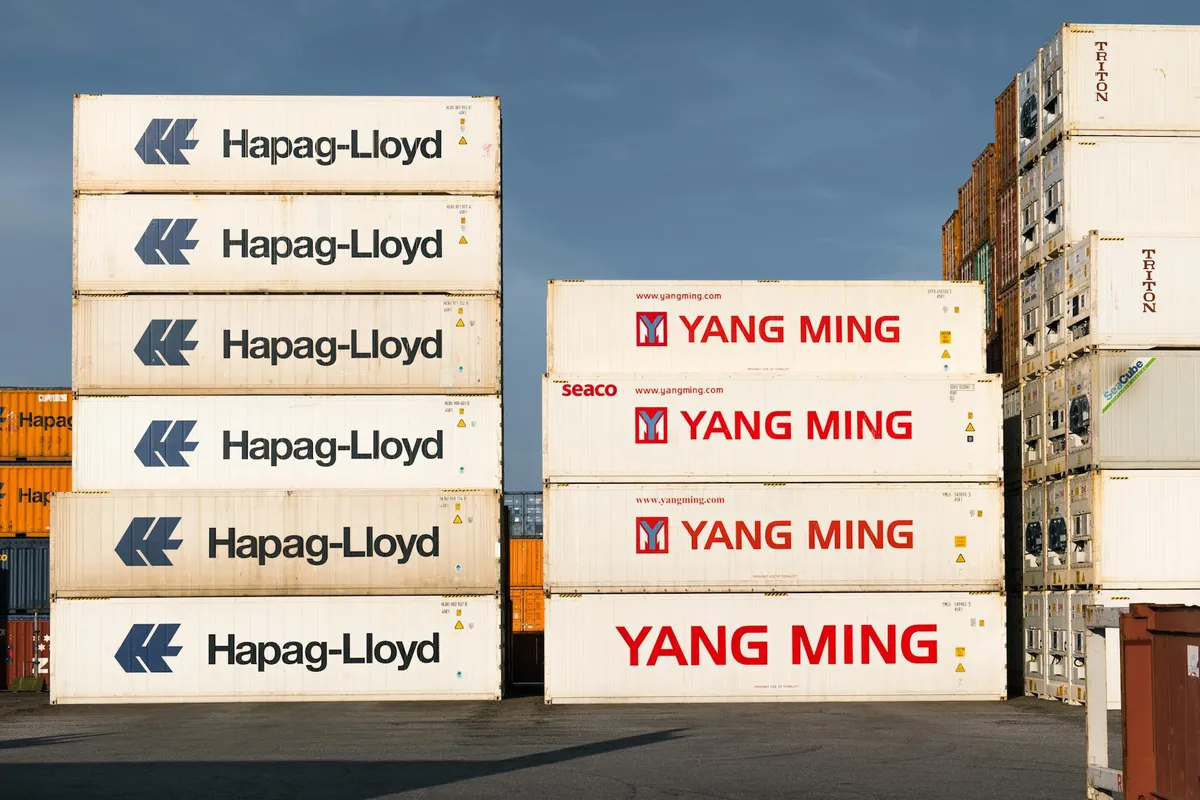
7. Hapag-Lloyd (ocean container)
Reliability rating: High.
What works: German precision in operations. Strong on transatlantic and Asia-Europe routes. Good customer service.
What does not: Smaller fleet than the major three (Maersk, MSC, CMA CGM). Less route coverage. Premium pricing.
Bottom line: Excellent option when route fits their network. Worth considering as primary or backup carrier for European-focused operations.
What I am NOT recommending
Carriers that get hyped but produce mixed results:
- Some Asian regional carriers for transpacific service. Coverage is real but service consistency varies more than the marketing suggests.
- Several "digital freight" startups. The technology is novel but the underlying operational capability is limited.
- Some major LCL (less-than-container-load) consolidators. Pricing seems attractive but transit times and reliability often disappoint.
- Newer entrants in air freight without established networks. Capacity is real but service consistency takes years to develop.
The carrier selection methodology that works
Practical carrier selection beyond the rankings above:
- Use 2-3 carriers as primary providers across your routes
- Maintain qualified backup carriers for each major route
- Track actual carrier performance with specific metrics
- Negotiate based on actual volume rather than published rates
- Build relationships with specific carrier representatives
- Adjust carrier mix based on actual performance over time
The hidden carrier costs
Beyond published rates, several costs substantially affect total carrier value:
- Detention and demurrage charges (can substantially exceed base rate)
- Documentation fees and surcharges
- Currency adjustment factors
- Bunker adjustment factors (for ocean carriers)
- Customs and clearance support quality
- Claims handling responsiveness
Carriers with similar published rates can have substantially different total costs based on these factors. Effective carrier evaluation considers total cost of ownership, not just headline rates.
The contemporary carrier landscape
The carrier landscape continues to evolve with several trends:
Carrier alliance restructuring. The major ocean alliances (2M, Ocean Alliance, THE Alliance) have continued to evolve with substantial implications for service patterns.
Technology integration improvements. Major carriers have substantially improved technology integration with shipper systems.
Pricing volatility. Ocean rates have shown unprecedented volatility over recent years. Long-term contracts may not lock in pricing in disruption scenarios.
Sustainability requirements. Carrier sustainability performance is becoming increasingly important for major shippers.
Carrier selection decisions need to account for these dynamics rather than treating the carrier landscape as static.
The takeaway
Carrier selection substantially affects supply chain performance and total logistics costs. The 7 carriers above are the major options for international freight with honest assessment of their actual operational characteristics.
For shippers, building relationships with quality carriers and maintaining backup options produces better outcomes than purely transactional carrier selection. The investment in carrier relationships pays back through service quality and pricing flexibility over time.